Blue Tang
Scientific name: Paracanthurus hepatus
Active reef species that requires large and very stable marine aquariums.
Quick facts
- Approximate size20–30 cm
- Average weight200–400 g
- Life expectancy8–12 years (proper captivity)
- ActivityDiurnal
Scientific name: Paracanthurus hepatus
Active reef species that requires large and very stable marine aquariums.
How this species lives in its natural environment, with the waters, shelters and resources it needs.
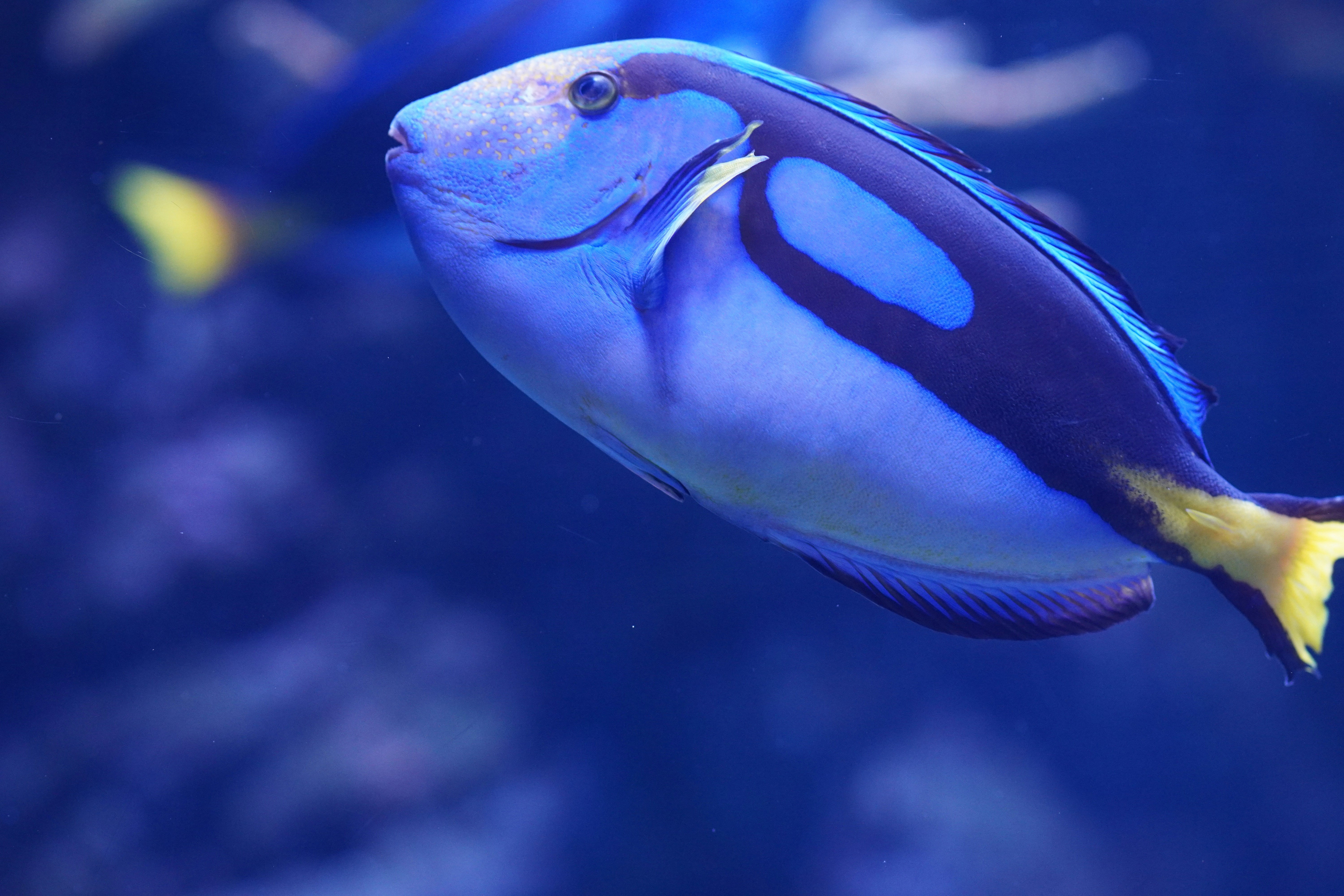
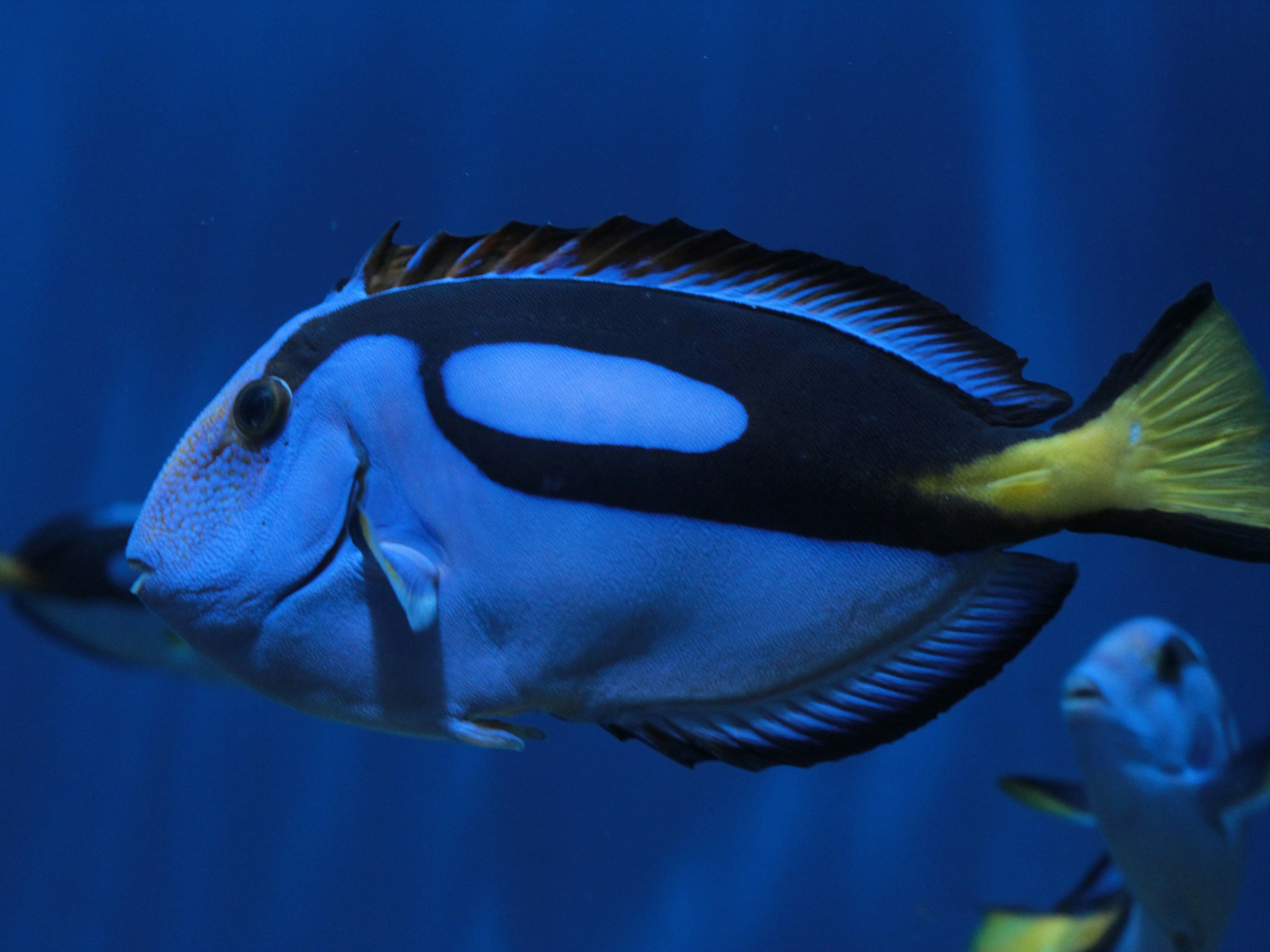
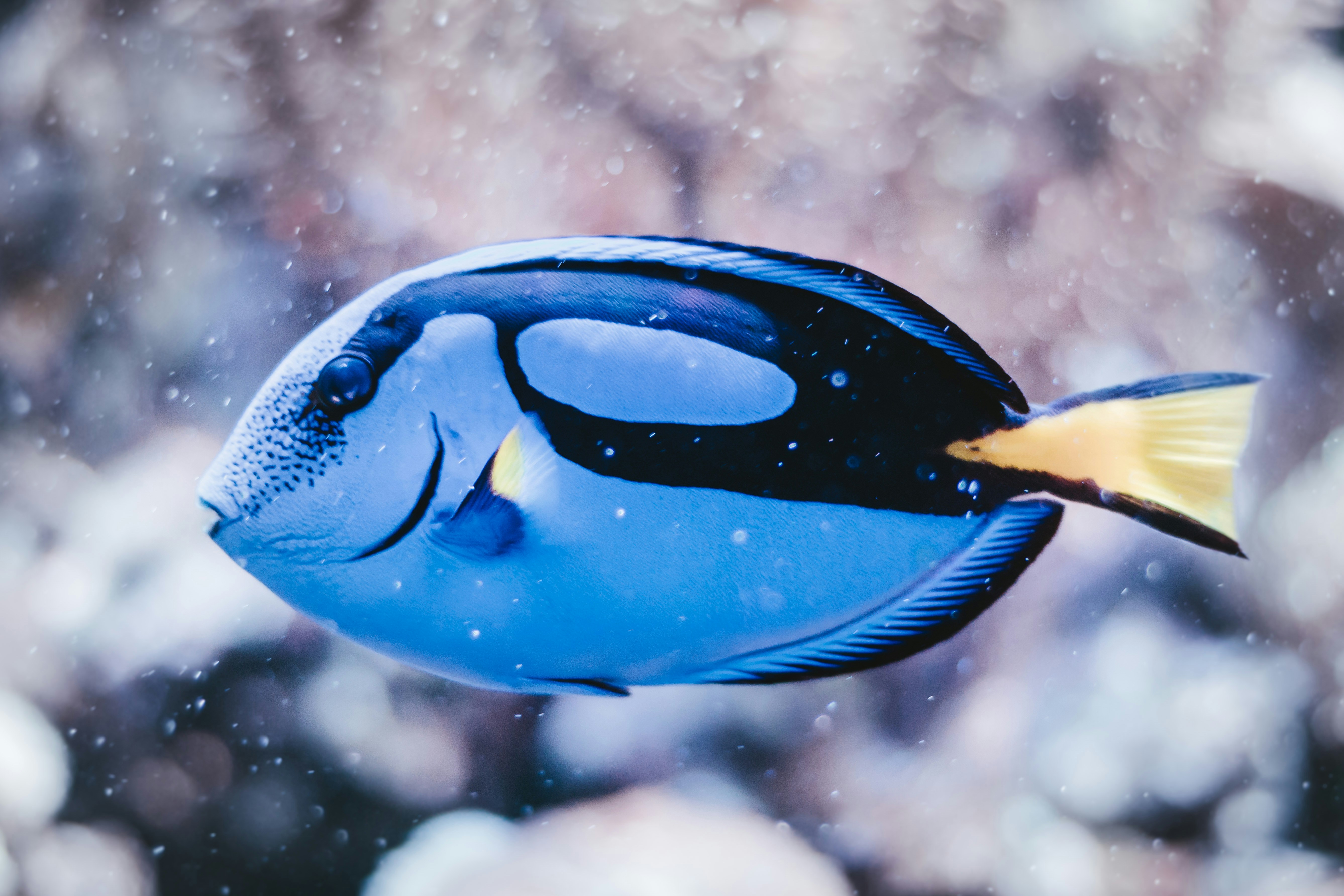
The blue tang is a striking fish that symbolizes both the beauty and fragility of tropical reefs.
It prefers reefs with abundant coral cover and algae, where it can graze and take refuge among complex structures.
It swims constantly, often forming small groups or mixing with other reef fish.
Its caudal spines shaped like a "scalpel" give it the common name of surgeonfish.
Reef degradation and collection for aquaristics are potential threats; responsible sourcing is promoted.
Striking details about this species that help better understand its biology and role in aquatic ecosystems.
Summary of the most critical points if this species is kept in aquariums, ponds or specialized facilities.
In captivity it needs very large aquariums, with live rock, good circulation, and stable parameters.
It is susceptible to stress-related diseases, such as marine white spot.
It is not suitable for beginners or small aquariums.
General information aimed at professional facilities, public aquariums and educational projects. It does not intend to promote capture or impulsive keeping of aquatic fauna.
It should only be kept in established marine facilities, with experienced staff.
The diet should include marine algae, specific preparations for herbivores, and some protein food.
It is essential to avoid overpopulation and very aggressive companions.
In education it helps to talk about the effect of media popularity on the demand for certain wild species.
Many aquatic species suffer from massive captures, uncontrolled trade and irresponsible releases. The priority should always be to protect rivers, lakes and seas, reduce pollution and consume seafood responsibly.