Cane Toad
Scientific name: Rhinella marina
Large tropical toad known for its role as an invasive species in several countries.
Quick facts
- Approximate size10–23 cm
- Average weight300–1500 g
- Life expectancy10–15 years
- ActivityNocturnal
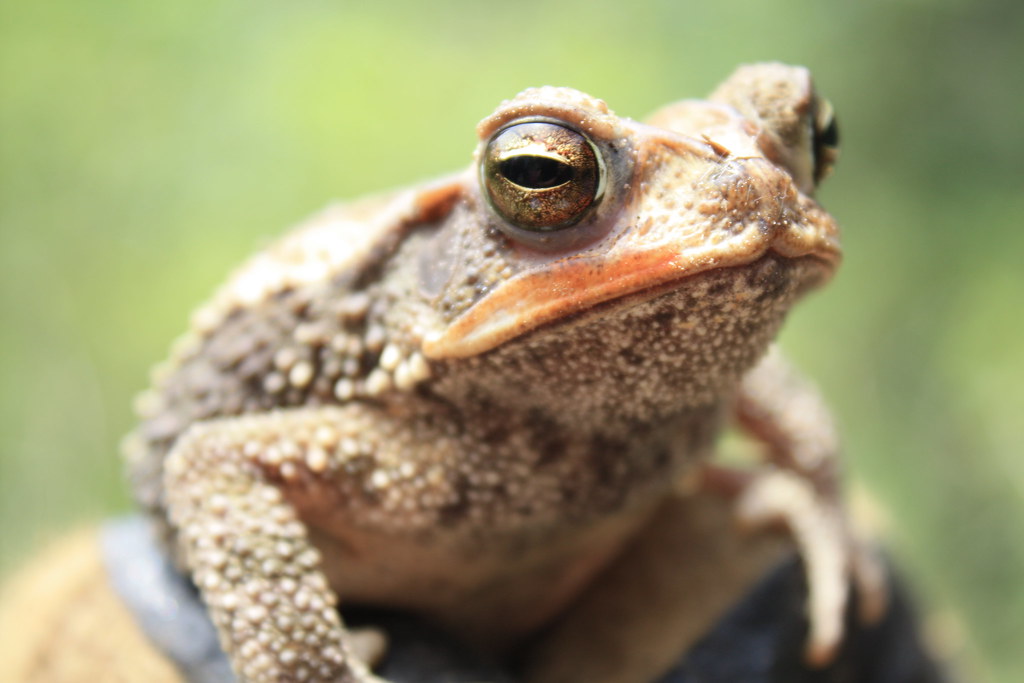
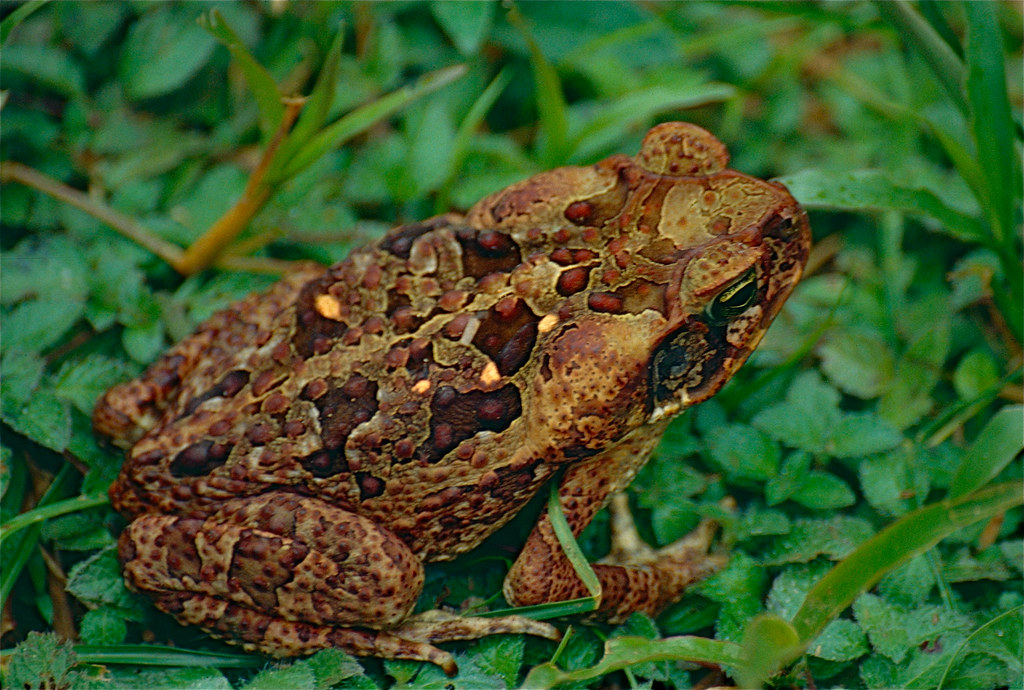
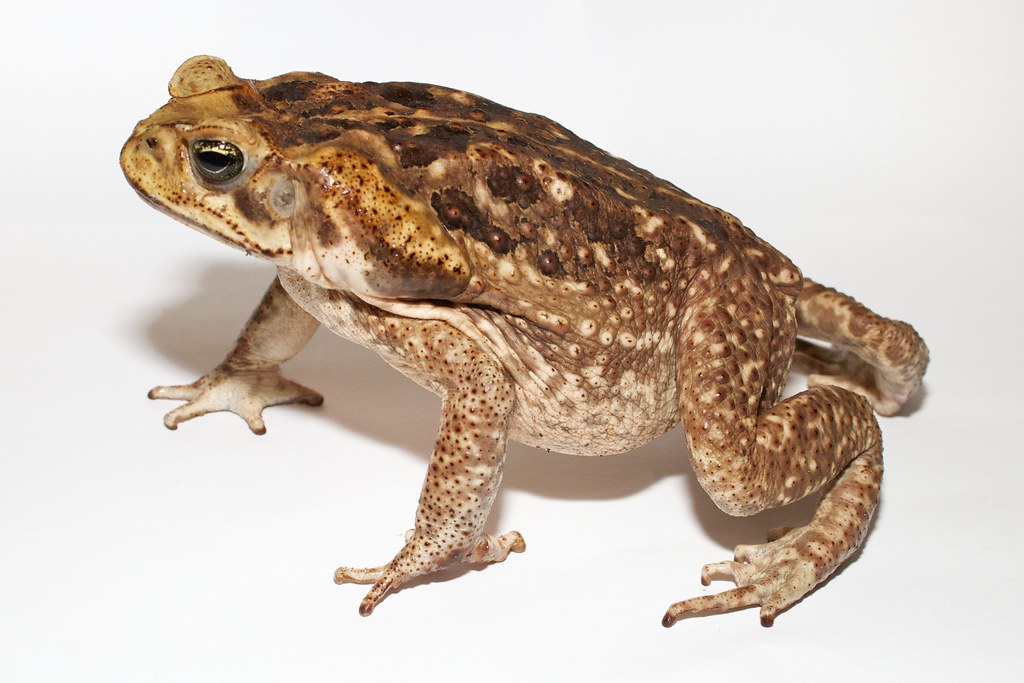
Scientific name: Rhinella marina
Large tropical toad known for its role as an invasive species in several countries.
What this species is like in its natural environment, with the climate, shelters and resources it needs.
The cane toad is a robust amphibian whose movement outside its native range has caused significant ecological damage.
Originally occupied savannas and humid forests, but now colonizes agricultural and urban areas with available water.
Very terrestrial and opportunistic; congregates at water points to breed and disperses widely the rest of the year.
Its toxins affect both predators and domestic pets that bite it.
In its native range shares threats with other amphibians; outside of it, it is a conservation concern due to its negative impact.
Striking details about this species that help better understand its biology and role in ecosystems.
Summary of the most critical points if this species is kept in captivity at specialized centers.
In captivity needs spacious, clean and well-drained enclosures, with access to water.
Not recommended where it could escape and establish in nature.
Handling should be done with gloves to avoid direct contact with its secretions.
General information intended for professional facilities and educational projects. Not intended to encourage capture or improvised keeping of wild amphibians.
Presence in centers should focus on education about invasive species and toxicity.
Enclosures must be perfectly secure to prevent escapes.
It is preferable to prioritize native species in educational projects whenever possible.
This section has an educational purpose. Amphibian conservation involves, above all, protecting ponds, rivers, forests and wetlands, and avoiding irresponsible release of exotic species.