Clownfish
Scientific name: Amphiprion ocellaris
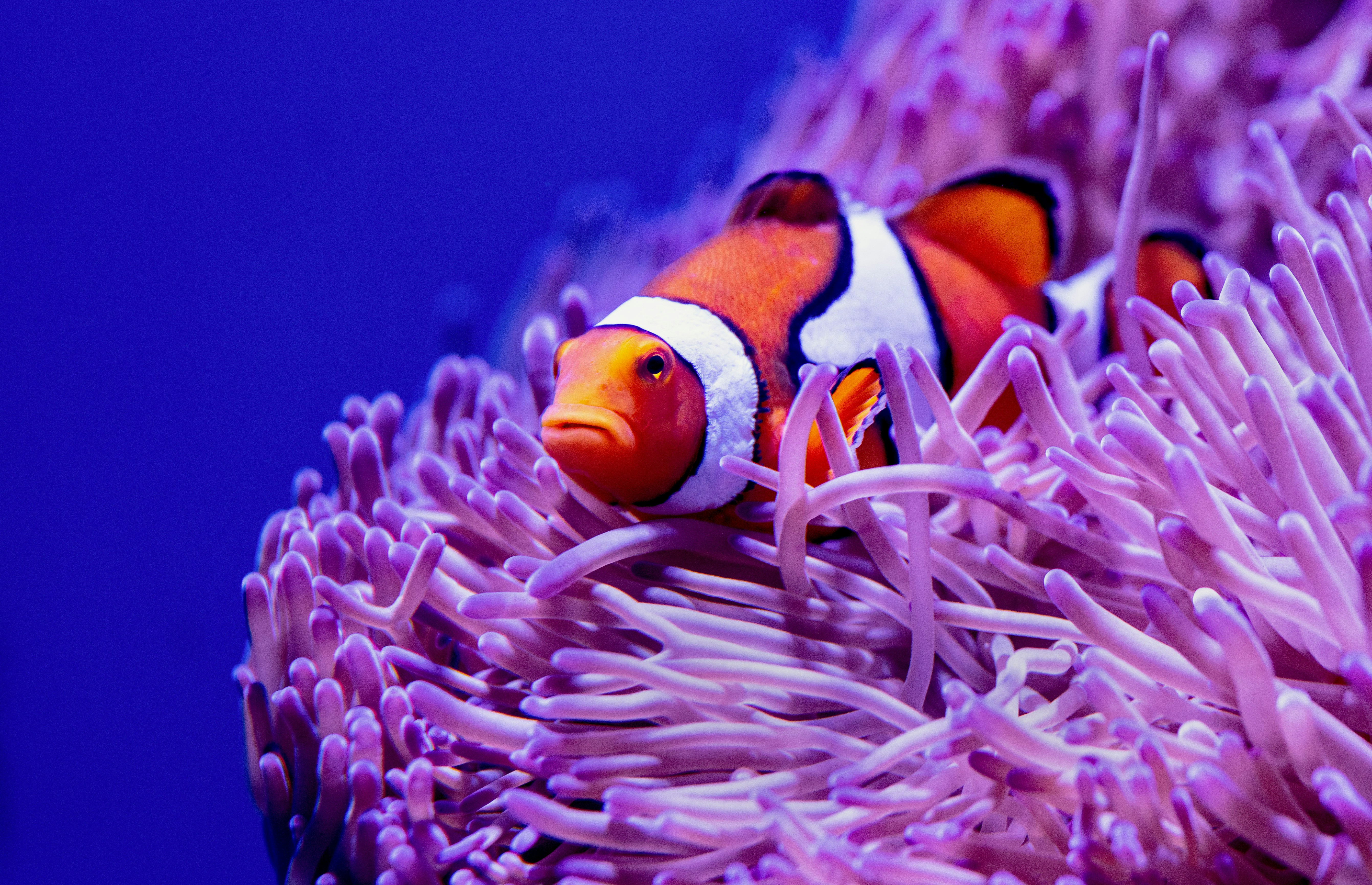
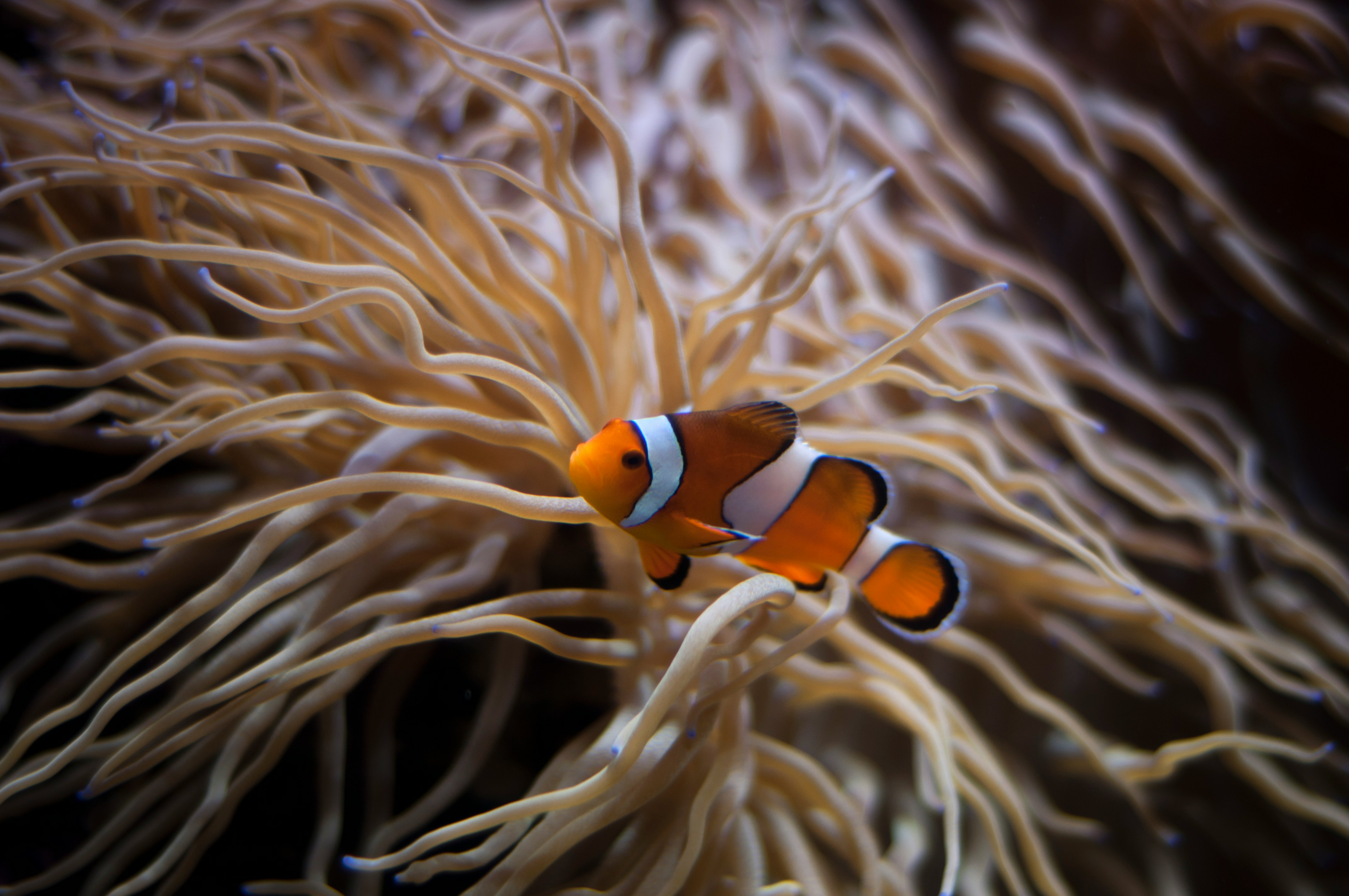
Shallow reef inhabitant that lives among the stinging tentacles of host anemones.
Quick facts
- Approximate size8–11 cm
- Average weight15–30 g
- Life expectancy6–10 years (captivity)
- ActivityDiurnal
Scientific name: Amphiprion ocellaris
Shallow reef inhabitant that lives among the stinging tentacles of host anemones.
How this species lives in its natural environment, with the waters, shelters and resources it needs.
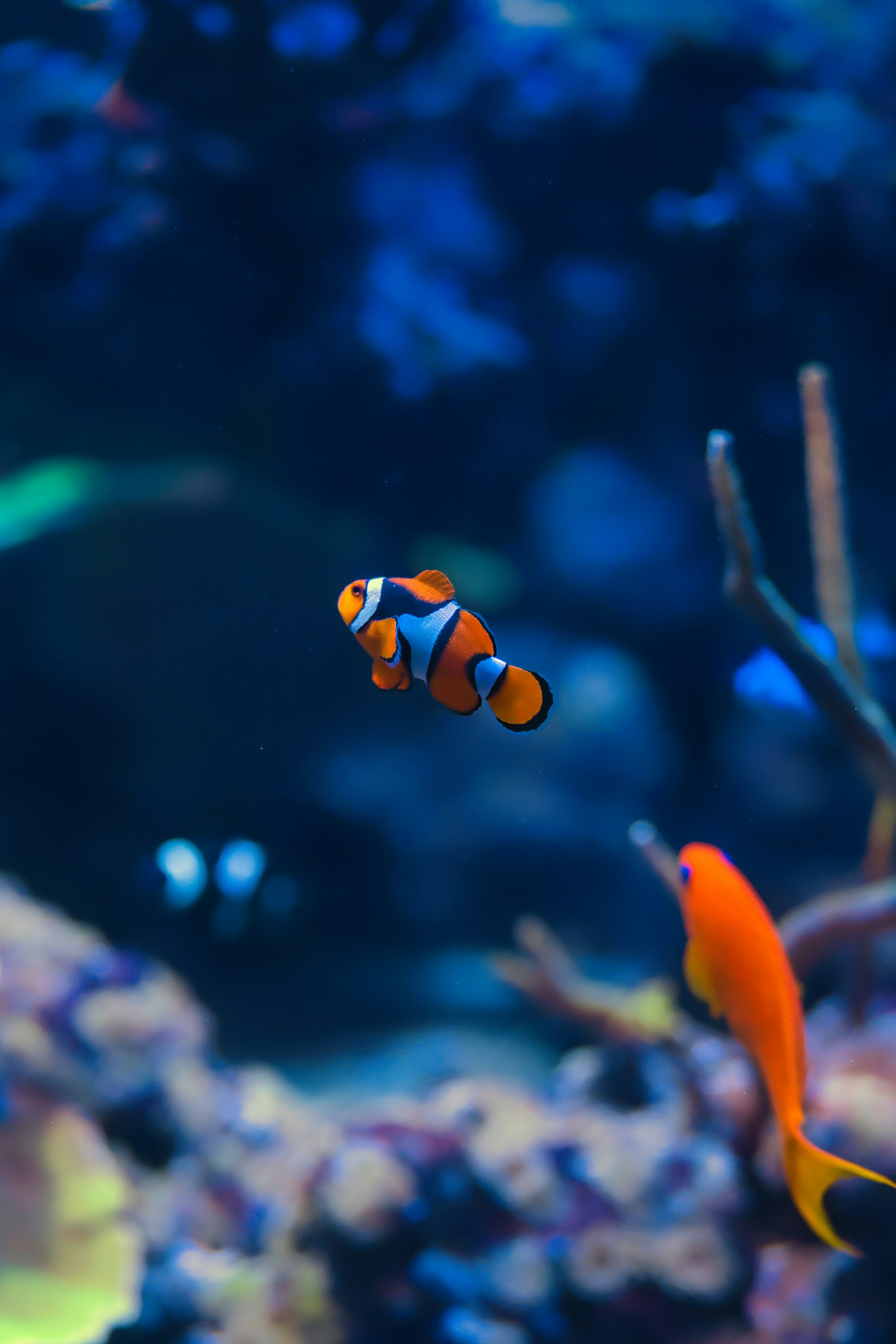
The clownfish is an icon of tropical reefs and marine aquaristics.
It lives in reefs with good lighting, clear waters, and moderate water movement around host anemones.
It stays close to its anemone, making small movements to feed and defend territory.
It has a special mucus layer that allows it to tolerate the stings of its host anemone.
Reef degradation and excessive trade have affected some populations, although captive breeding helps compensate.
Striking details about this species that help better understand its biology and role in aquatic ecosystems.
Summary of the most critical points if this species is kept in aquariums, ponds or specialized facilities.
In captivity it needs well-cycled and stable marine aquariums, with adequate marine parameters.
The presence of a suitable host anemone improves its natural behavior, although it increases system requirements.
It is sensitive to pollutants and sudden changes in salinity or temperature.
General information aimed at professional facilities, public aquariums and educational projects. It does not intend to promote capture or impulsive keeping of aquatic fauna.
Recommended for marine facilities that already have experience maintaining reef systems.
The diet includes varied marine food: frozen, live, and quality pellets.
It is important that specimens come from captive breeding whenever possible.
In environmental education, the clownfish is used to talk about symbiosis, reefs, and climate change.
Many aquatic species suffer from massive captures, uncontrolled trade and irresponsible releases. The priority should always be to protect rivers, lakes and seas, reduce pollution and consume seafood responsibly.