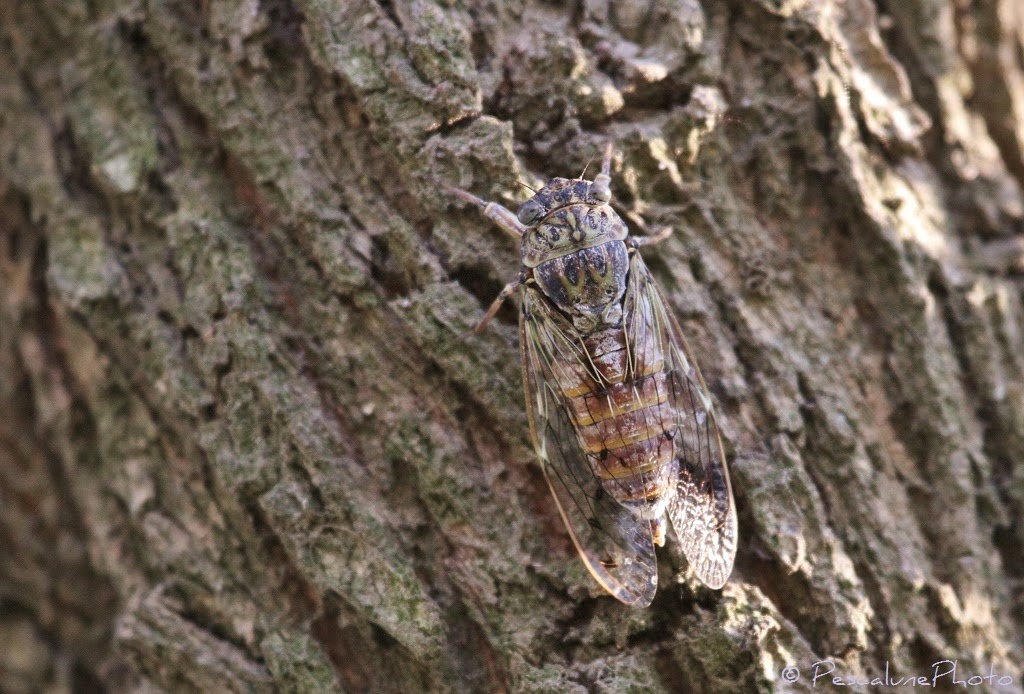
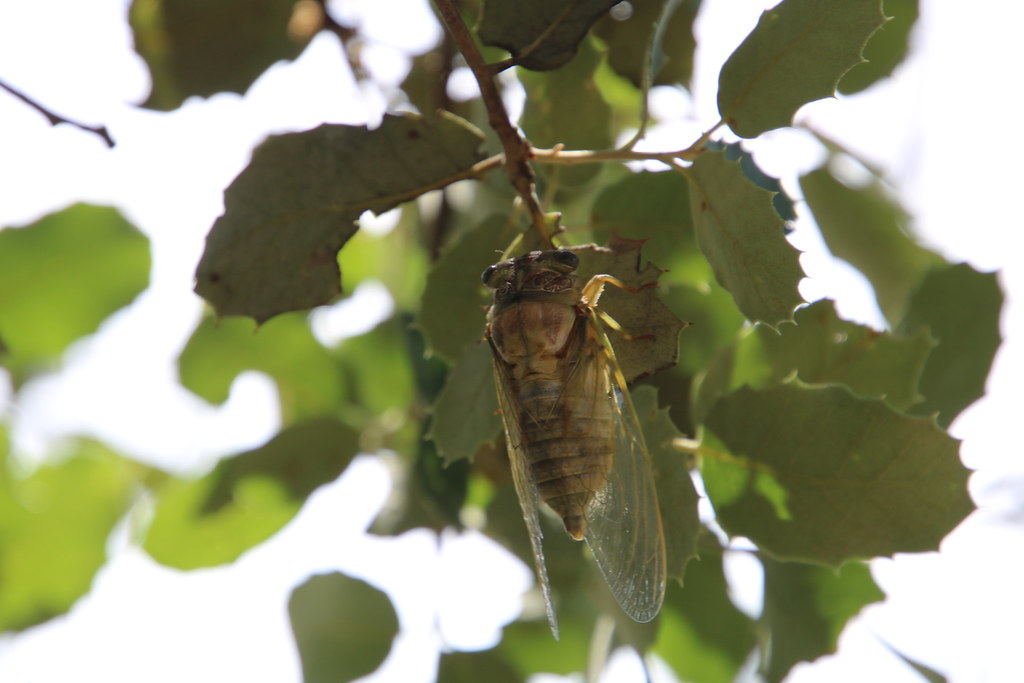
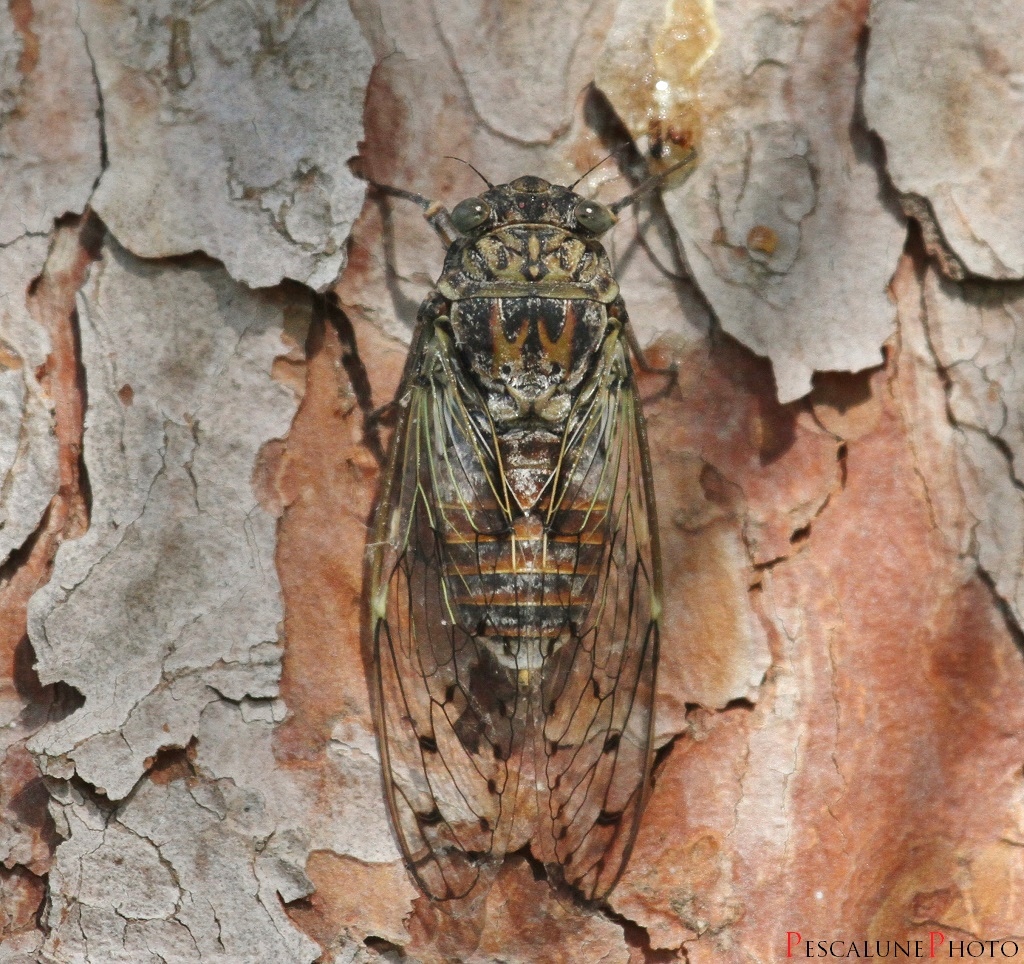
Common Cicada

Scientific name: Cicada orni (como ejemplo mediterráneo)

Type: Insect Main biome: Temperate Forest Difficulty: Alta

Spending years underground as a nymph and just weeks singing in trees is part of its extreme life cycle.

Quick facts

  • Approximate size2–3 cm (not counting wings)
  • Average weight1–2 g
  • Life expectancySeveral years as underground nymph; few weeks as adult
  • ActivityDiurnal (singing especially in heat)
Common Cicada
Common Cicada
Common Cicada

Basic information

  • 🏡Habitat: open forests, olive groves, pine forests, and warm wooded areas.
  • 🍏Diet: nymphs feed on root sap; adults suck sap from branches and stems.
  • 👫Sexual dimorphism: males with more developed sound organs; females lack them.
  • 🐾Predators: birds, bats, reptiles, and mammals; nymphs are also predated underground.

Life in the wild

How this species lives in its natural environment, with the climate, shelters and resources it needs.

Species overview

The cicada is one of the most characteristic sounds of the Mediterranean summer.

Natural habitat

It prefers warm areas with trees from which it can sing and soils suitable for the underground phase.

Behavior

Males position themselves on trunks and branches to maximize sound propagation.

Special features

Their long and synchronized life cycles have intrigued scientists and naturalists for decades.

Conservation and threats

It depends on the conservation of open forests and traditional olive groves; the use of insecticides can reduce its populations.

Curiosities

Striking details about this species that show its biology and ecology in a different way.

  • 🌿Its song can be deafening on very hot days.
  • Some cicada species have life cycles of 13 or 17 years.
  • 🔎Sound is produced by structures called tymbals in the abdomen.
  • 🧬Nymph exuviae (molted skins) are usually found attached to trunks and stones.

Welfare profile

Aspects to consider if this species is kept in captivity in specialized centers.

Space and facilitiesHigh

Its maintenance in captivity is complex due to the long underground phase of nymphs.

Environmental conditionsMedium

It is not an insect suitable for generalist breeding projects.

Handling and stressHigh

Mass capture of adults for commercial purposes could locally affect some populations.

Common Cicada in captivity

General information aimed at professional facilities and authorized centers.

⚠️ Before keeping insects like this species, it is important to consult local regulations and always consider whether it is really necessary to remove them from their natural environment.

Suitable facilities

The most appropriate approach is to observe them in nature and use audiovisual materials to explain their cycle.

Feeding in responsible centers

Exuviae can be collected without harming the animals and used in classrooms.

Handling and welfare

Scientific studies focus on their biology, acoustics, and emergence patterns.

Ethical message

It is a good species for talking about seasonal rhythms and longevity in insects.

Imagen ampliada