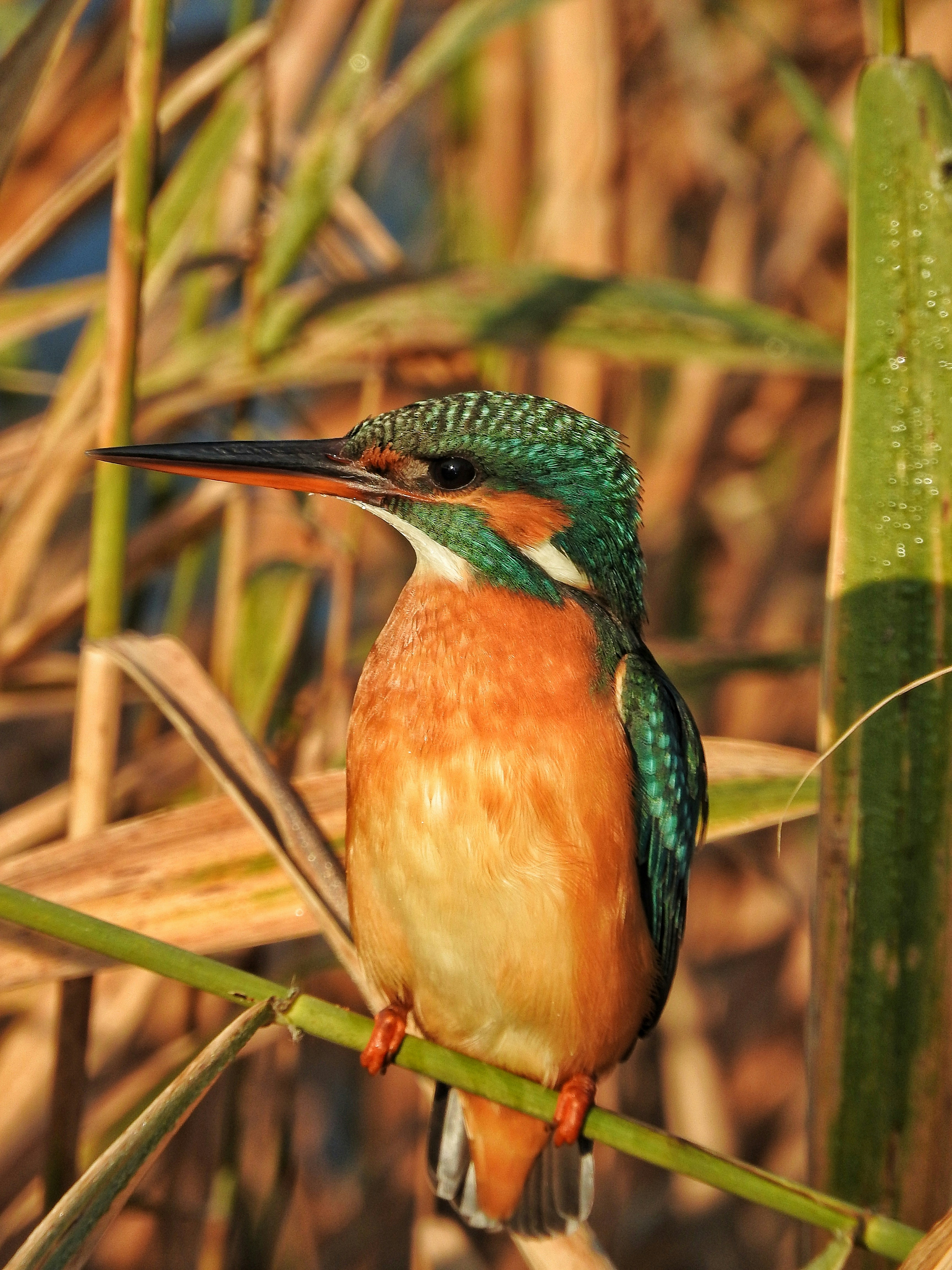
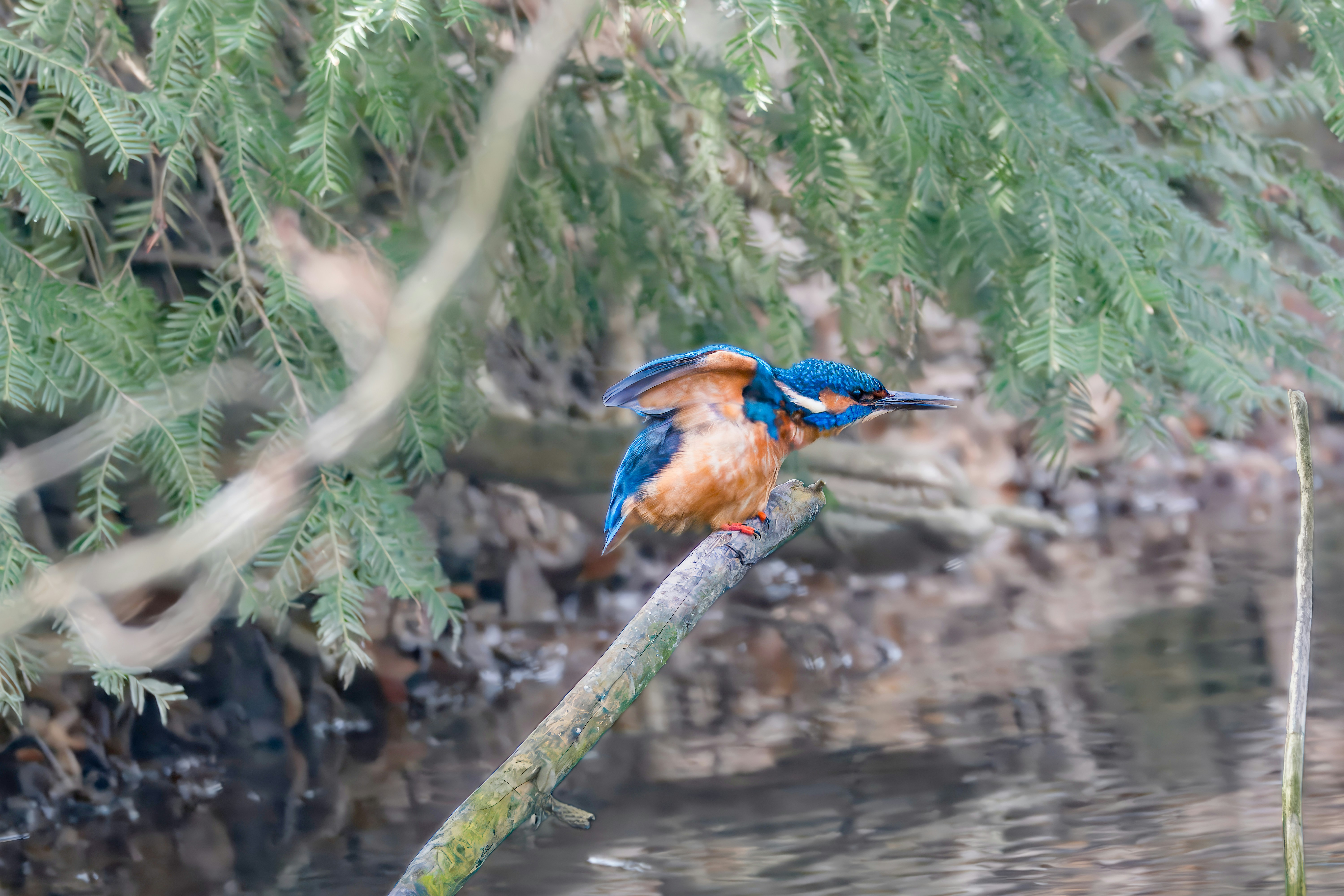
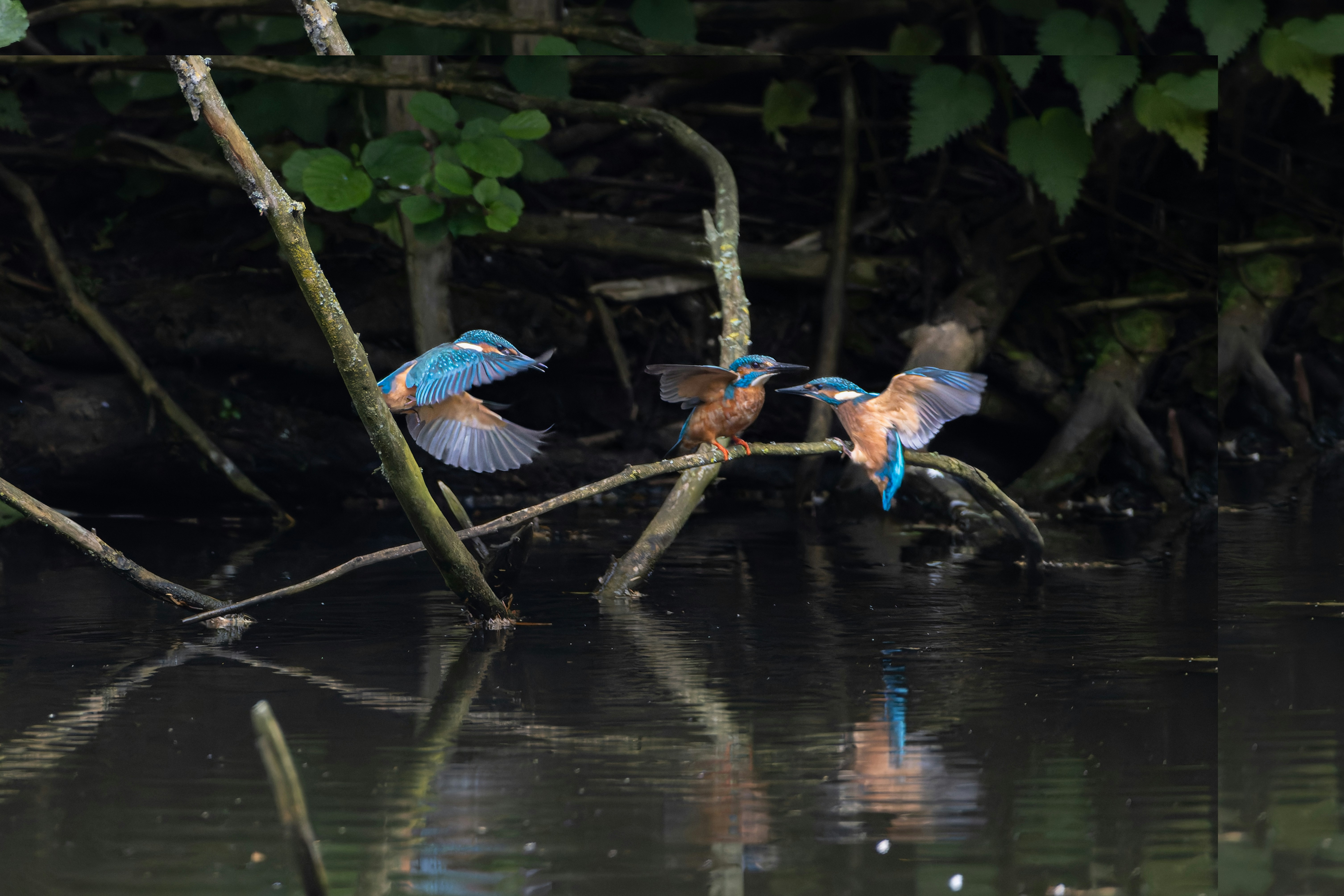
Common Kingfisher

Scientific name: Alcedo atthis

Type: Bird Main biome: Rivers and Wetlands Difficulty: Media

Specialist in catching small fish through quick dives from low perches.

Quick facts

  • Approximate length 16–17 cm
  • Average weight 30–45 g
  • Life expectancy 2–5 years in wild (longer in captivity)
  • Activity Diurnal
Common Kingfisher
Common Kingfisher
Common Kingfisher

Basic information

  • 🏡 Home: lives in rivers, streams and lakes with natural banks and relatively clean waters.
  • 🍏 Food: feeds mainly on small fish and, to a lesser extent, aquatic invertebrates.
  • 👫 Sexual dimorphism: females usually have an orange band on the lower part of the beak, blacker in males.
  • 🐾 Predators: raptors, mammals and cats can prey on adults; eggs and chicks are vulnerable on riverbanks.

Life in the wild

What Common Kingfisher is like in its natural environment, with the climate, shelters and resources it needs.

Species overview

The common kingfisher is a small fish hunter that adds a touch of intense color to European rivers and lakes.

Natural habitat

Prefers natural riverbanks with vegetation, earthen slopes for digging and clear water that facilitates locating prey.

Behavior

Perches on branches or stones near water and dives when detecting a fish, returning to the perch to swallow the prey.

Special traits

Its metallic blue and intense orange plumage make it very striking. Needs constant energy, requiring many prey catches per day.

Conservation and threats

Pollution, loss of natural riverbanks and flow alterations threaten its presence in some river stretches.

Curiosities

Striking details about Common Kingfisher that show its biology and ecology in a different way.

  • 🌍 Digs tunnels in earthen slopes where it places the nest.
  • Very sensitive to pollution and artificial river channelization.
  • 🔎 Its dives are extremely fast and precise.
  • 🧠 Its presence usually indicates certain ecological quality of the river.

Perfil de bienestar

Aspects to consider if Common Kingfisher is kept in captivity at specialized centers.

Instalaciones y espacio High

In captivity would require aviaries with long water stretches and real hunting possibility or very well-designed simulation.

Luz, temperatura y ambiente High

Needs clean water and abundant prey availability or its equivalent in controlled feeding.

Manejo y estrés Very delicate

Direct handling must be very careful; such small birds lose physical condition rapidly under stress.

Common Kingfisher in captivity

General information aimed at professional facilities and authorized centers. Not intended to promote private keeping of wildlife without proper training and permits.

⚠️ The capture and trade of birds like this species are regulated in many countries. It is essential to verify the legal origin of animals and prioritize responsible breeding programs and habitat conservation.

Instalaciones adecuadas

Their keeping has been limited to highly specialized centers, given the difficulty of adequately simulating their environment and hunting behavior.

Alimentación en centros responsables

Diet in captivity is based on small fish and other animal-origin foods, controlling freshness and quality.

Manejo y bienestar

Enclosures must minimize the risk of collisions against glass and structures.

Mensaje ético

Ethically, priority is usually given to their conservation in restored rivers rather than their exhibition in captivity.

Imagen ampliada