Common Toad
Scientific name: Bufo bufo
Robust terrestrial anuran, common in European forests and gardens.
Quick facts
- Approximate size8–15 cm
- Average weight50–150 g
- Life expectancy10–12 years
- ActivityNocturnal
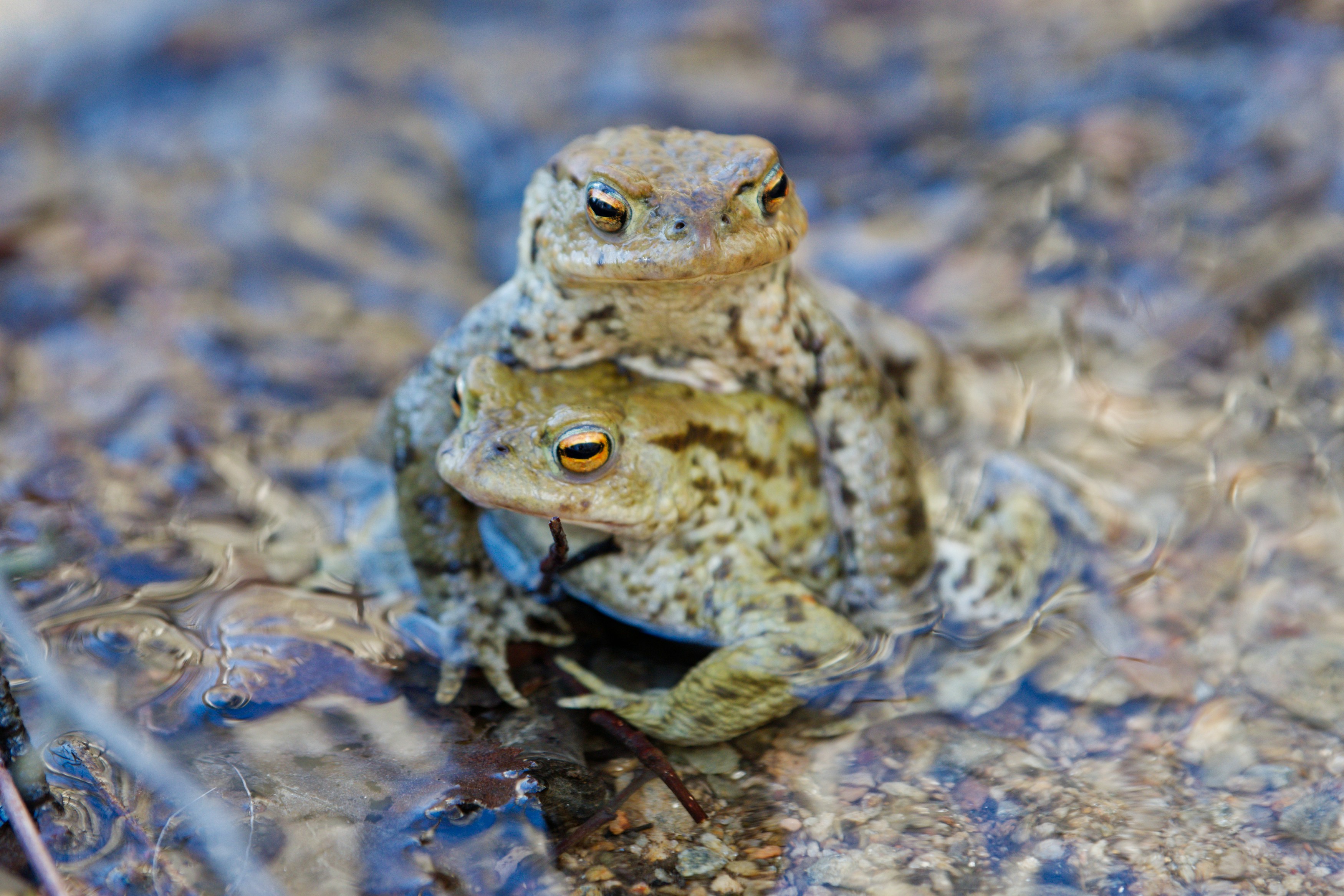
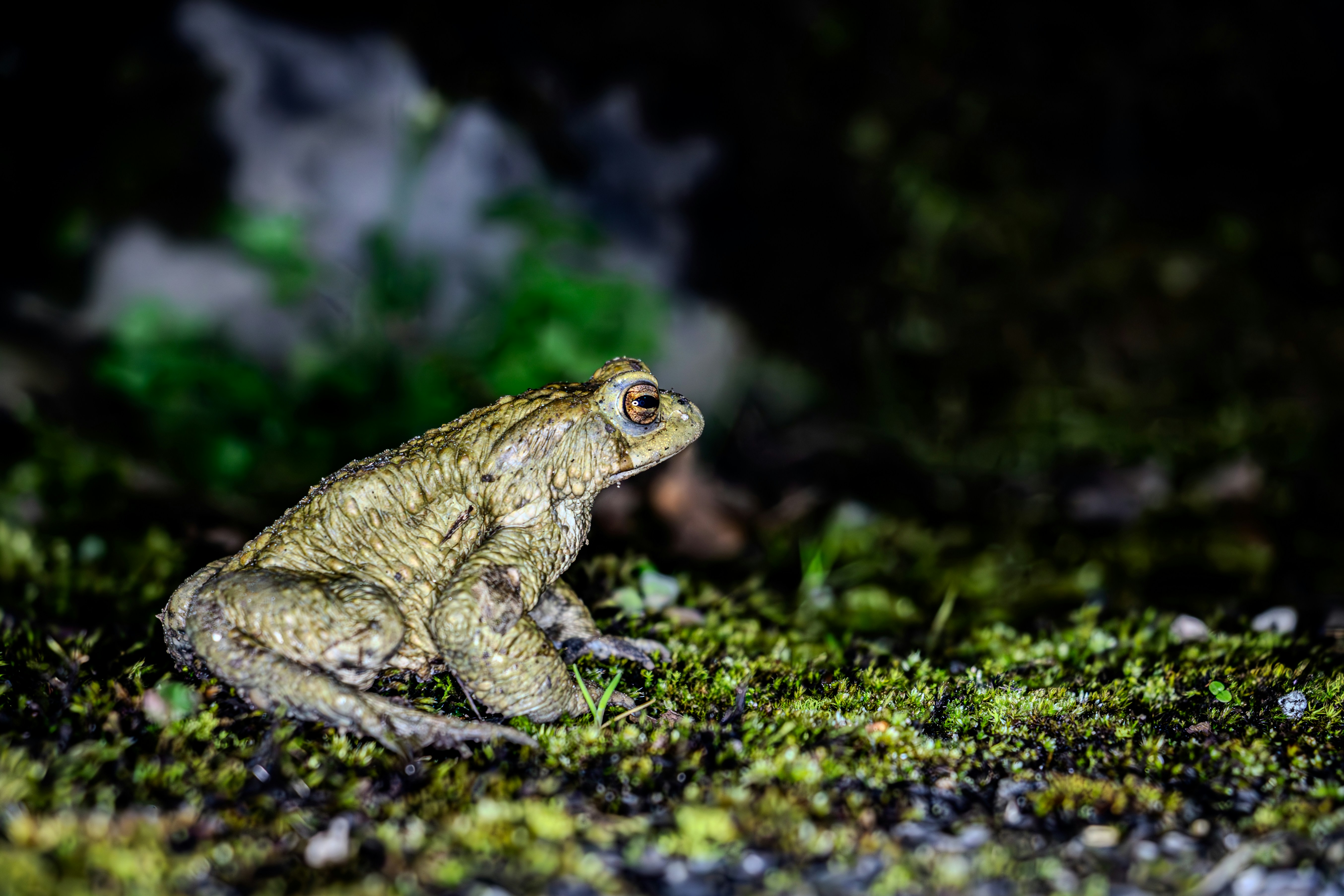
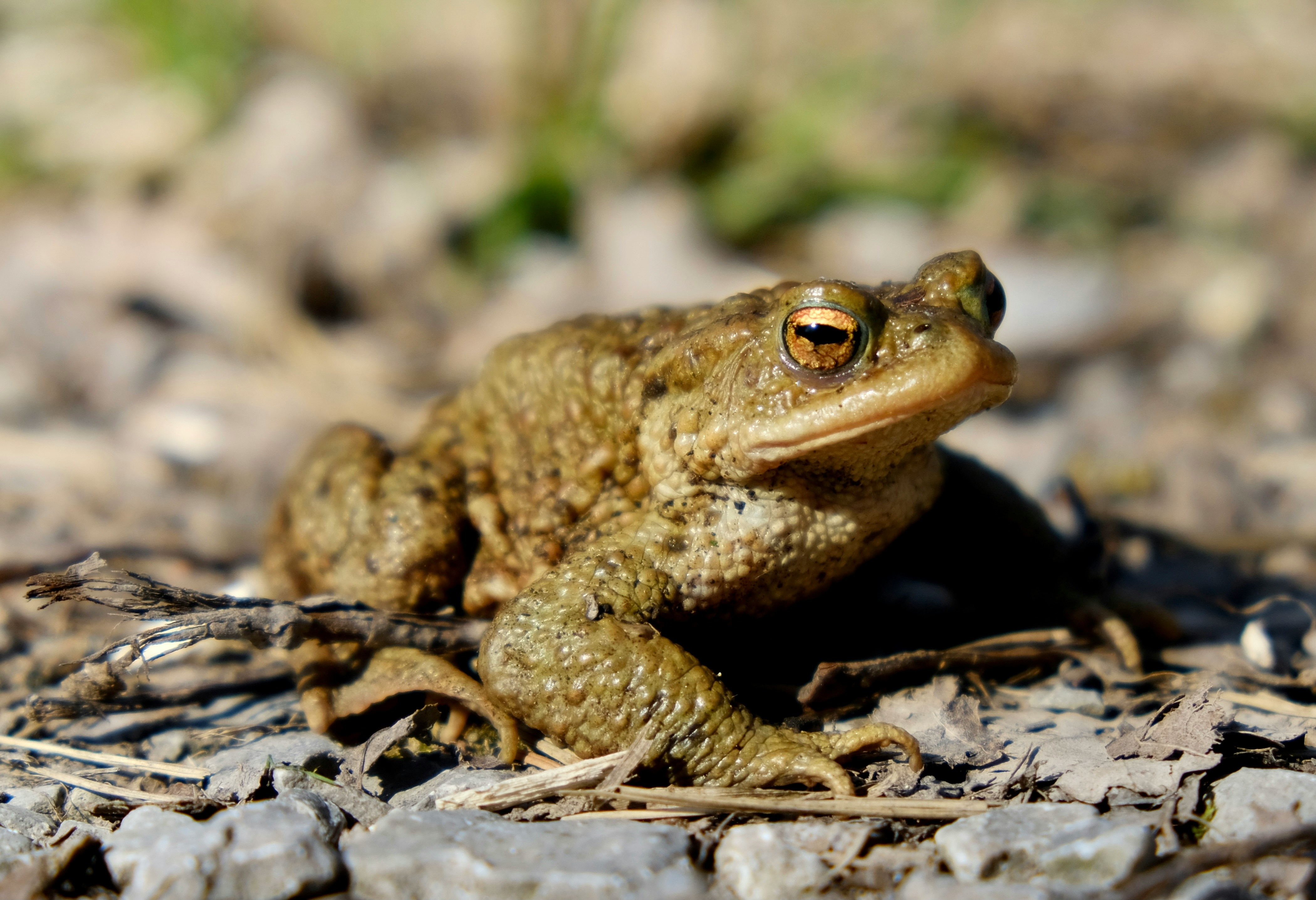
Scientific name: Bufo bufo
Robust terrestrial anuran, common in European forests and gardens.
What this species is like in its natural environment, with the climate, shelters and resources it needs.
The common toad is one of the most well-known amphibians in Europe, associated with forests, meadows and gardens with water points.
Prefers terrestrial areas with shelters (rocks, logs, burrows) near ponds, pools or slow-flowing rivers for breeding.
It is nocturnal and solitary outside the breeding season; moves slowly on land searching for prey.
Its thick, warty skin and toxins provide some protection against many predators.
Roads, loss of traditional ponds and pollution affect many local populations.
Striking details about this species that help better understand its biology and role in ecosystems.
Summary of the most critical points if this species is kept in captivity at specialized centers.
In captivity needs spacious terrestrial terrariums with shelters and access to water for bathing and breeding.
Temperature and humidity should mimic temperate conditions, avoiding extremes and desiccation.
Tolerates frequent handling poorly; ideally observe it and limit direct manipulation.
General information intended for professional facilities and educational projects. Not intended to encourage capture or improvised keeping of wild amphibians.
Maintenance should focus on educational projects about amphibians and pond conservation.
The enclosure should offer abundant hiding spots and areas with soft substrate for light digging.
More important than keeping toads in captivity is conserving ponds and ecological corridors that allow them to complete their life cycle.
This section has an educational purpose. Amphibian conservation involves, above all, protecting ponds, rivers, forests and wetlands, and avoiding irresponsible release of exotic species.