Leafcutter Ant

Scientific name: Atta cephalotes y especies afines

Type: Insect Main biome: Tropical Jungle Difficulty: Alta

Complex societies that practice a form of symbiotic "agriculture" for millions of years.

Quick facts

  • Approximate size1.5–2.5 cm
  • Average weightVery low per individual; complete colony can weigh several kilos
  • Life expectancyQueens, more than 10 years
  • ActivityNocturnal / crepuscular
Leafcutter Ant
Leafcutter Ant

Basic information

  • 🏡Habitat: jungles and humid open areas where they excavate huge nests with fungus cultivation chambers.
  • 🍏Diet: fresh leaves that they use to cultivate fungi, which in turn serve as food for the colony.
  • 👫Sexual dimorphism: marked castes with workers of different sizes, soldiers, and much larger queens.
  • 🐾Predators: rival ants, armadillos, anteaters, and other animals; some fly species parasitize workers.

Life in the wild

How this species lives in its natural environment, with the climate, shelters and resources it needs.

Species overview

Leafcutter ants are an impressive example of mutualistic agriculture in social insects.

Natural habitat

They need suitable soils to excavate and nearby vegetation to obtain leaves continuously.

Behavior

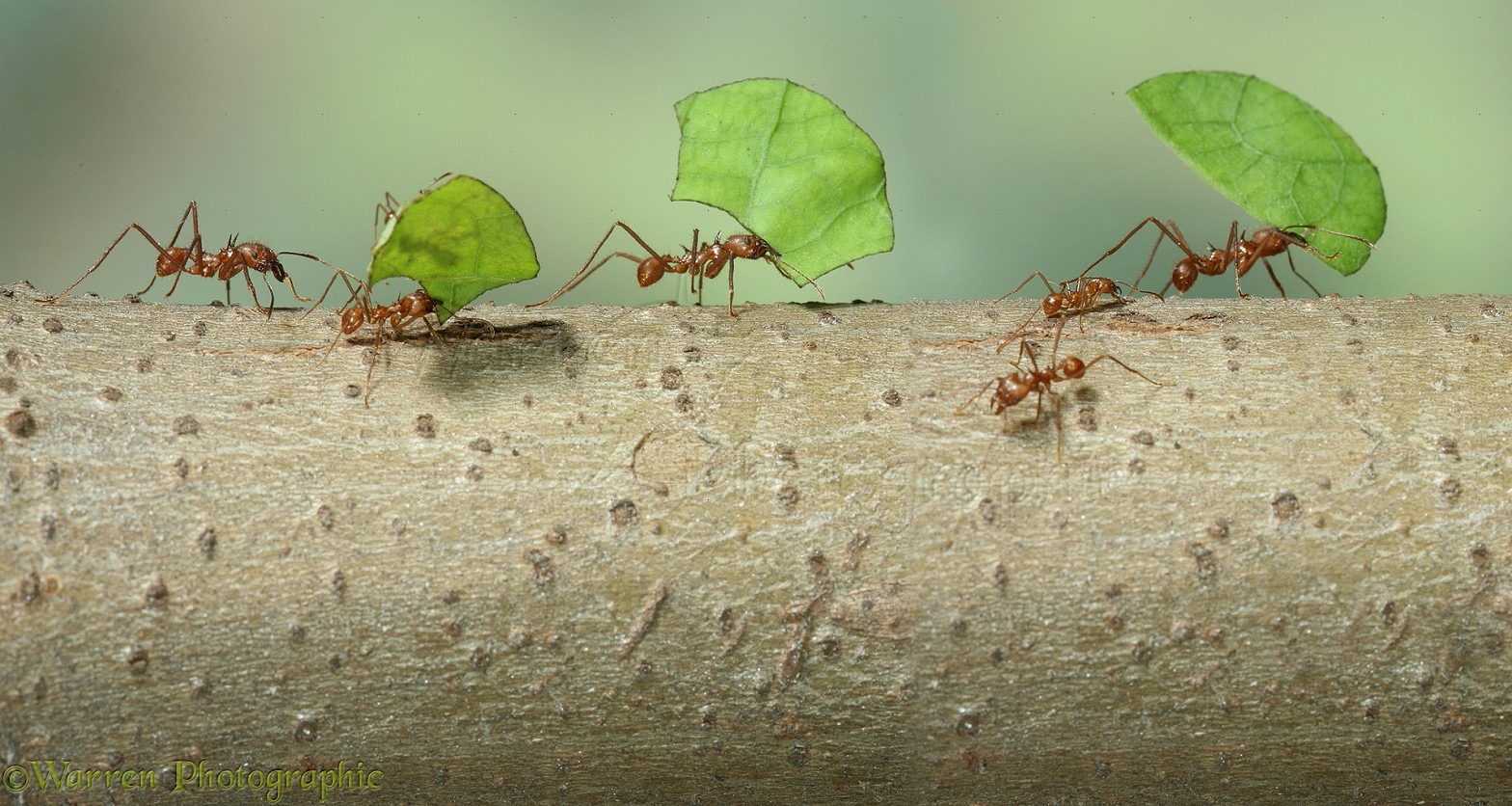
They organize leaf transport columns and divide work among castes and groups of workers within the nest.

Special features

Their relationship with the symbiotic fungus is so close that neither species thrives without the other.

Conservation and threats

In general they are common in conserved jungle areas; problems arise when they conflict with human agriculture.

Curiosities

Striking details about this species that show its biology and ecology in a different way.

  • 🌿They do not eat the leaves they transport directly; they feed them to a symbiotic fungus.
  • Their foraging paths can be visible to the naked eye on the jungle floor.
  • 🔎They are important in nutrient cycling and vegetation structure.
  • 🧬They are considered pests in some crops when they defoliate young plants.

Welfare profile

Aspects to consider if this species is kept in captivity in specialized centers.

Space and facilitiesHigh

Maintaining large colonies in captivity is very complex due to space, temperature, and fungus management requirements.

Environmental conditionsHigh

Stress and unstable conditions can destroy the delicate balance with the cultivated fungus.

Handling and stressHigh

Their escape could cause problems in regions where they are not native.

Leafcutter Ant in captivity

General information aimed at professional facilities and authorized centers.

⚠️ Before keeping insects like this species, it is important to consult local regulations and always consider whether it is really necessary to remove them from their natural environment.

Suitable facilities

Some museums and scientific centers maintain colonies visible to the public for education.

Feeding in responsible centers

They require closed systems with temperature, humidity, and leaf supply control.

Handling and welfare

The logistics and cost of maintaining them limit their use to specialized institutions.

Ethical message

They are excellent for explaining agriculture, symbiosis, and social organization in non-human animals.

Imagen ampliada