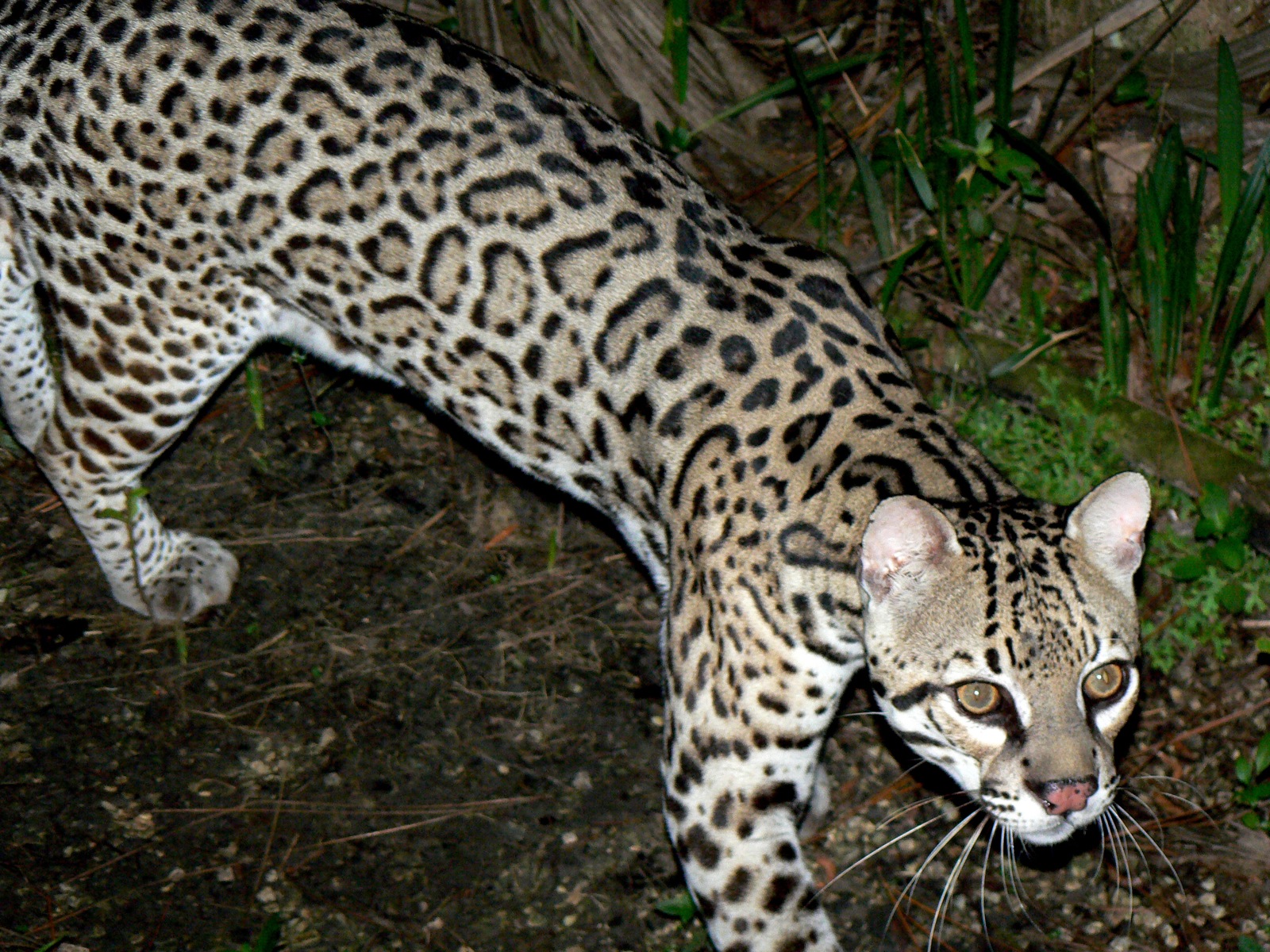
Ocelot

Scientific name: Leopardus pardalis

Type: Mammal Main biome: Tropical Jungle Difficulty: Alta

Small wild cat with spotted coat that inhabits rainforests and dense forests of America.

Quick facts

  • Approximate size70–100 cm
  • Average weight8–18 kg
  • Life expectancy10–13 years
  • ActivityNocturnal / crepuscular
Ocelot
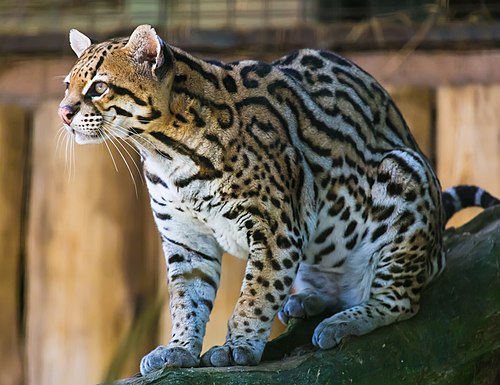
Ocelot
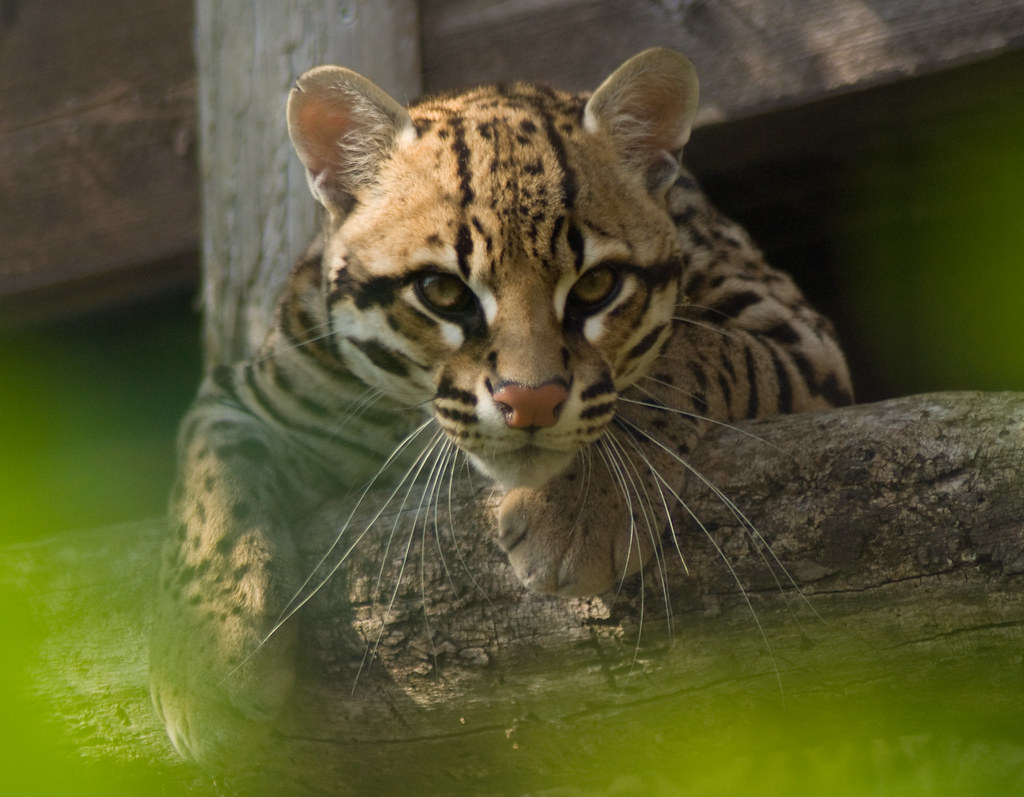
Ocelot

Basic information

  • 🏡Home: tropical rainforests, dense forests and scrubland with good vegetation cover.
  • 🍏Food: small mammals, birds, reptiles and amphibians hunted by stalking.
  • 👫Sexual dimorphism: males are usually somewhat larger and more robust than females.
  • 🐾Predators: pumas, jaguars and humans; cubs can be prey to large raptors and other carnivores.

Life in the wild

What this species is like in its natural environment, with the climate, shelters and resources it needs.

Species overview

The ocelot is one of the most characteristic small felines of American rainforests and forests.

Natural habitat

Needs areas with dense vegetation, trees, rocks and burrows where it can hide and stalk prey.

Behavior

Territorial and solitary. Marks territory with urine and scent signals, and follows hunting routes at nightfall.

Special traits

Its combination of agility, good night vision and cryptic coat make it a very effective hunter.

Conservation and threats

Although considered less threatened than larger felines, habitat loss and hunting remain significant local problems.

Curiosities

Striking details about this species that show its biology and ecology in a different way.

  • 🌍Its spotted coat provides excellent camouflage among vegetation.
  • A good climber that also moves easily on the ground.
  • 🔎Historically persecuted for its skin.
  • 🧠In some places adapts to mosaics of rainforest and modified areas, as long as there is shelter.

Welfare profile

Aspects to consider if this species is kept in captivity at specialized centers.

Facilities and spaceHigh

In captivity needs highly structured enclosures with height, platforms, logs and shelters.

Light, temperature and environmentMedium

Environmental stimulation with opportunities to climb, hide and explore is essential to avoid stress and stereotypies.

Handling and stressVery delicate

Direct handling should be minimized and done with cooperative training systems when possible.

Ocelot in captivity

General information aimed at professional facilities and authorized centers. Not intended to promote private keeping of wildlife without proper training and permits.

⚠️ Capture and trade of mammals like this species are regulated in many countries. Essential to verify legal origin of animals and prioritize responsible breeding programs and habitat conservation.

Suitable facilities

Zoos keeping ocelots must ensure spacious and enriched enclosures, away from direct public contact environments.

Feeding in responsible centers

  • Diet is based on meat and whole prey.
  • Amount adapted to body condition and activity.
  • Vitamin supplementation if necessary.

Handling and welfare

Cooperative training programs can facilitate veterinary checks without the need for frequent sedation.

Ethical message

Long-term conservation depends above all on protecting and connecting the forests where it lives.

Imagen ampliada