Pacman Frog

Scientific name: Ceratophrys ornata

Type: Amphibian Main biome: Rivers and Wetlands Difficulty: Media

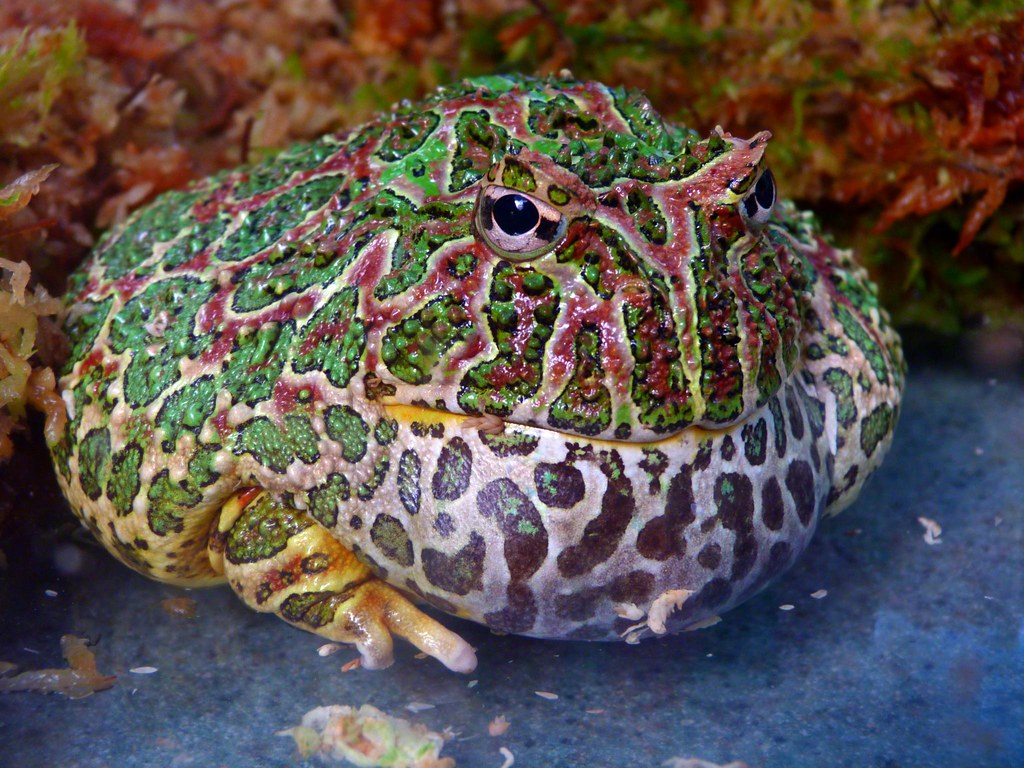
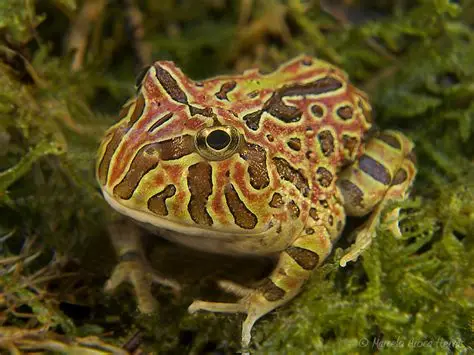
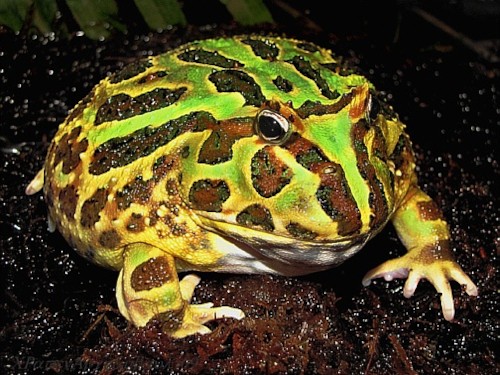
Wide-bodied frog with a huge mouth that spends much time semi-buried waiting for prey.

Quick facts

  • Approximate size10–15 cm
  • Average weight200–500 g
  • Life expectancy6–10 years
  • ActivityCrepuscular / nocturnal
Pacman Frog
Pacman Frog
Pacman Frog

Basic information

  • 🏡Home: grasslands and edges of humid forests with soft soils and temporary ponds.
  • 🍏Food: large invertebrates, small vertebrates and almost any prey that comes near its mouth.
  • 👫Sexual dimorphism: females are usually larger; males develop nuptial pads and more evident call.
  • 🐾Predators: birds, mammals and snakes; main strategy is camouflage and immobility.

Life in the wild

What this species is like in its natural environment, with the climate, shelters and resources it needs.

Species overview

The Pacman frog is a striking example of an ambush predator among neotropical amphibians.

Natural habitat

Needs humid soils to burrow in, with temporary ponds for breeding during the rainy season.

Behavior

Remains motionless for long periods and responds quickly to nearby movements.

Special traits

Its disproportionately large mouth and head allow it to capture relatively large prey.

Conservation and threats

Habitat transformation and collection can affect some populations, although it is bred in captivity.

Curiosities

Striking details about this species that help better understand its biology and role in ecosystems.

  • 🌧️Its popular name refers to its huge and "round" mouth, like the video game character.
  • Spends much time partially or fully buried, waiting for prey to pass by.
  • 🔎May attempt to ingest prey too large for it.
  • 🧪Common in terraristics, but requires special attention to diet and space.

Welfare profile

Summary of the most critical points if this species is kept in captivity at specialized centers.

Facilities and space Medium

In captivity requires terrariums with deep, humid but not waterlogged substrate, and shelters.

Water, light and microclimate Medium

Feeding should be moderate and balanced to avoid obesity and metabolic problems.

Handling and stress Medium

Not recommended to handle frequently, both due to stress and risk of bites.

Pacman Frog in captivity

General information intended for professional facilities and educational projects. Not intended to encourage capture or improvised keeping of wild amphibians.

⚠️ Amphibians are particularly vulnerable to pollution, emerging diseases and improper handling. Before keeping species like this, it is essential to review local regulations and seek qualified advice.

Suitable facilities

Can be kept in terrariums by responsible hobbyists who research their requirements well.

Feeding in responsible centers

  • Diet includes large invertebrates and occasionally small vertebrates or pieces of prepared food.
  • Large crickets, roaches and earthworms.
  • Portion control to avoid obesity.

Handling and welfare

It is important to provide rest periods and control substrate hydration.

Ethical message

Its case allows discussion of the balance between commercial appeal and real needs of exotic animals.

Imagen ampliada