Platypus
Scientific name: Ornithorhynchus anatinus
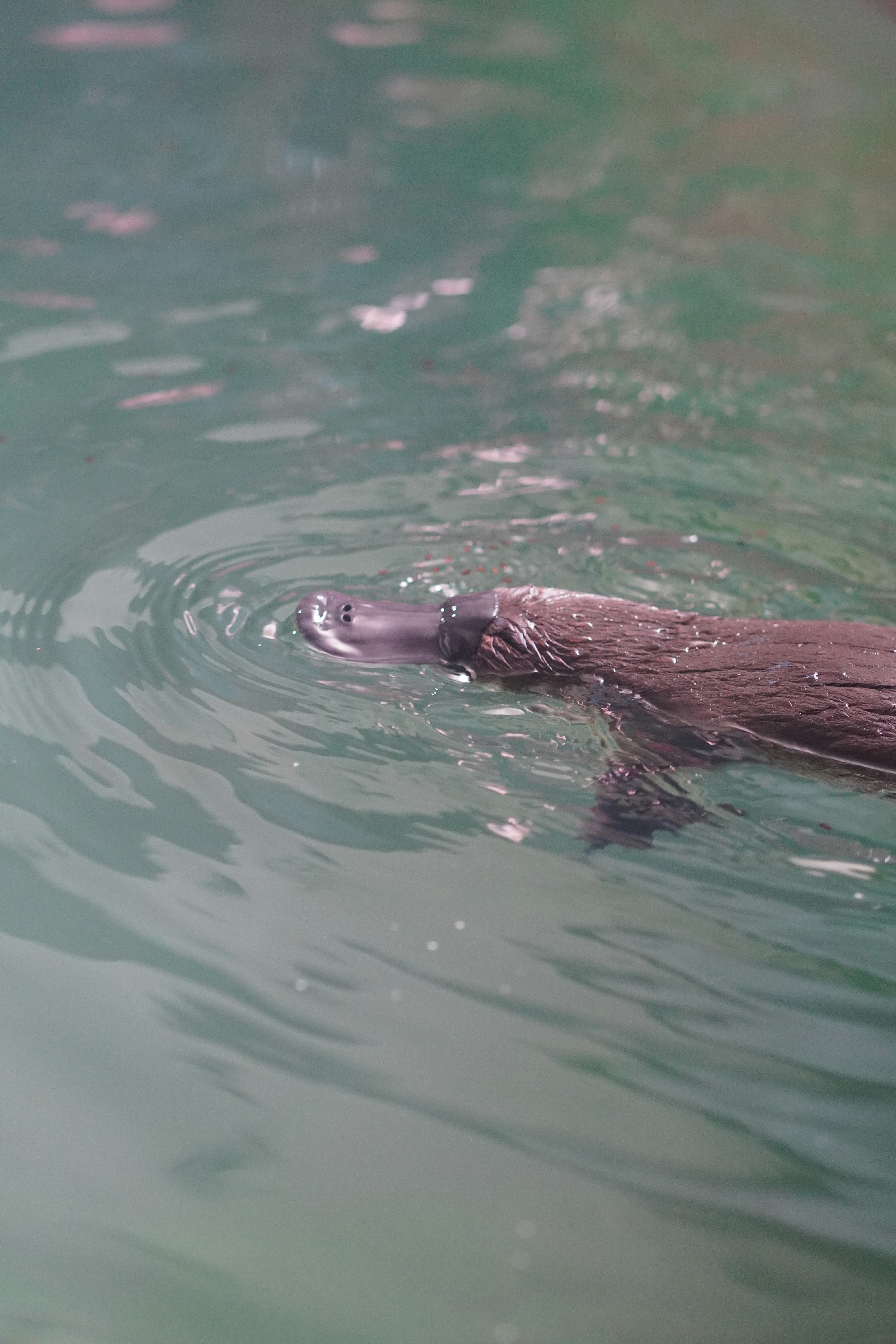
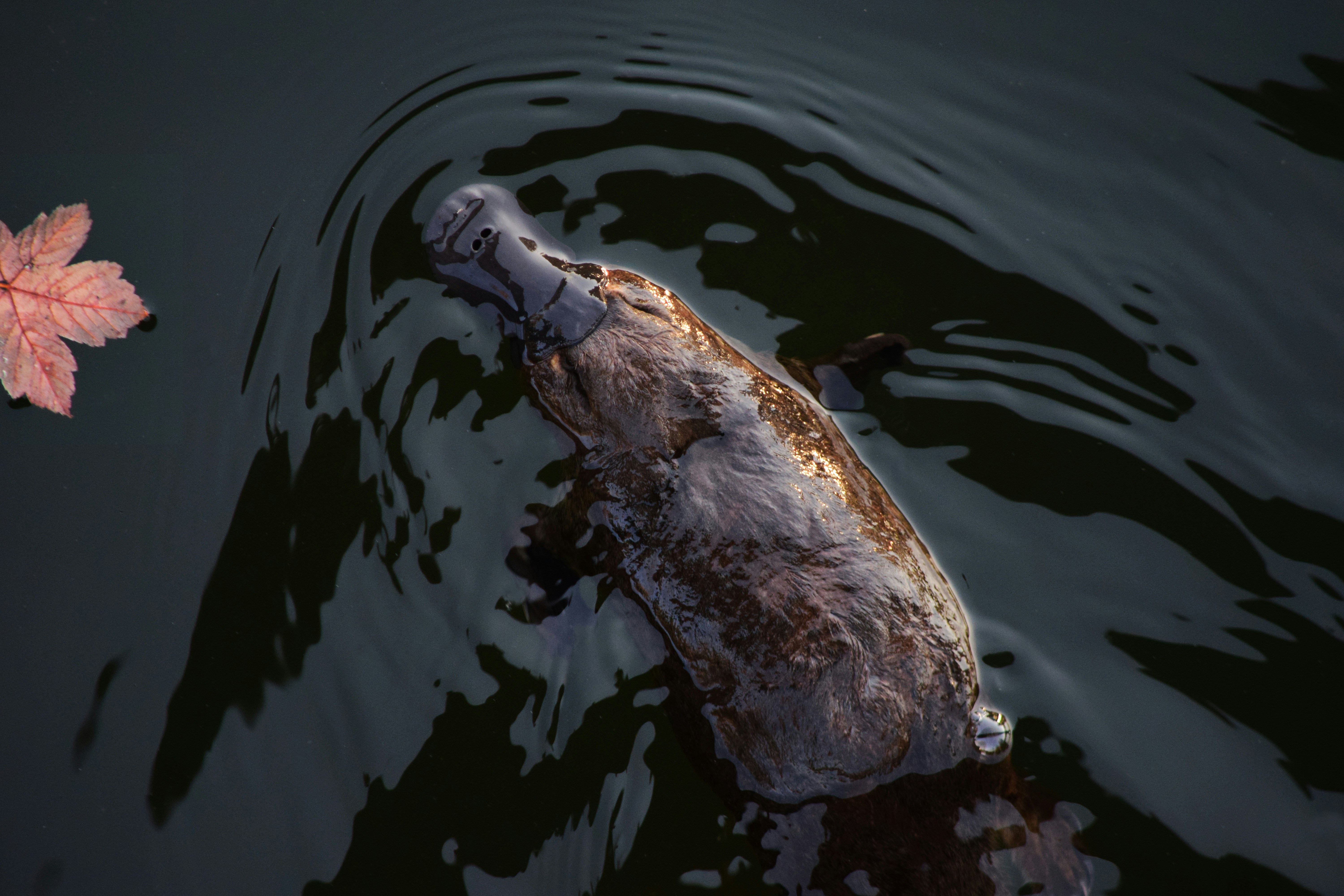
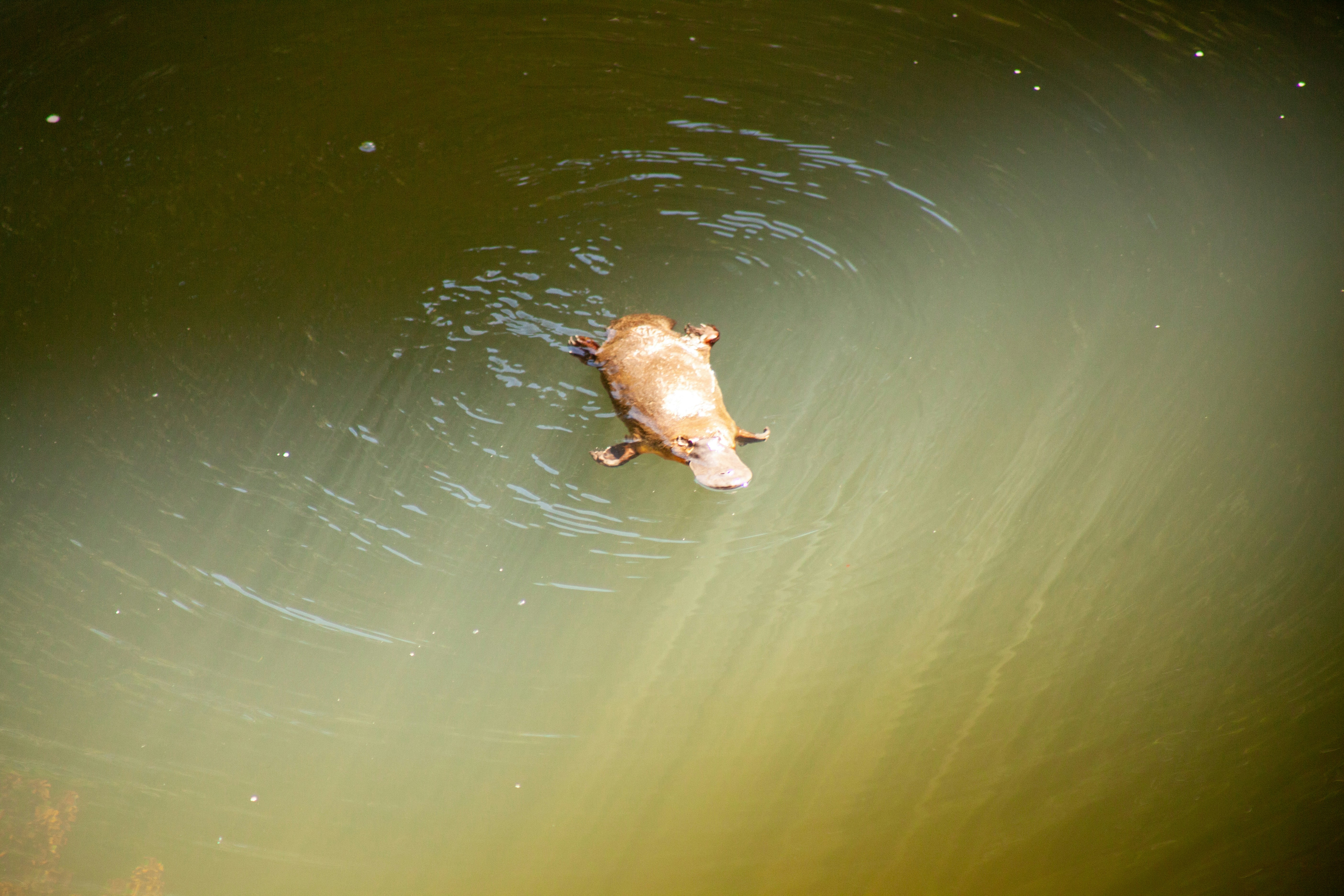
Unique semi-aquatic egg-laying mammal with a duck bill and beaver tail.
Quick facts
- Approximate size40–50 cm
- Average weight1–2.4 kg
- Life expectancy10–17 years
- ActivityCrepuscular / nocturnal
Scientific name: Ornithorhynchus anatinus
Unique semi-aquatic egg-laying mammal with a duck bill and beaver tail.
What this species is like in its natural environment, with the climate, shelters and resources it needs.
The platypus is a unique mammal in the world, adapted to life in Australian freshwater streams.
Prefers streams and rivers with good water quality, riparian vegetation and banks for digging burrows for shelter and reproduction.
Spends many hours swimming and diving for food, alternating periods of activity with rest in its burrow.
Combines characteristics of reptiles, birds and mammals: lays eggs, has a bill, but also fur and mammary glands.
Water pollution, bank alteration and hydraulic works threaten its habitat in various areas.
Striking details about this species that show its biology and ecology in a different way.
Aspects to consider if this species is kept in captivity at specialized centers.
In captivity requires extensive and deep aquatic facilities with high quality and temperature-controlled water.
Needs varied diet of invertebrates and other aquatic foods, adjusted to its underwater foraging behavior.
Direct handling is complex and potentially dangerous due to venomous male spurs.
General information aimed at professional facilities and authorized centers.
Maintenance is limited to a few centers in Australia with specific experience.
Public access is usually very controlled to reduce stress and respect its nocturnal habits.
Conserving clean and connected rivers is the best strategy to protect the species long-term.
This information is for educational purposes and does not replace advice from specialized professionals or consultation of current legislation.