Ball Python

Scientific name: Python regius

Type: Reptile Main biome: Temperate Forest Difficulty: Media

Calm snake from African savannas and open forests, very common in terrarium keeping.

Quick facts

  • Approximate size 90–130 cm
  • Average weight 1–2 kg (females larger)
  • Life expectancy 20–30 years (captivity)
  • Activity Mainly nocturnal and crepuscular
Ball Python
Ball Python
Ball Python

Basic information

  • 🏡 Home: inhabits savannas, open forests, and scrubland areas in West and Central Africa.
  • 🍏 Food: feeds mainly on small mammals and birds that it captures through constriction.
  • 👫 Sexual dimorphism: females are usually larger and more robust than males.
  • 🐾 Predators: birds of prey, carnivorous mammals, and larger snakes; juveniles are more vulnerable.

Life in the wild

What Ball Python is like in its natural environment, with the climate, shelters and resources it needs.

Species overview

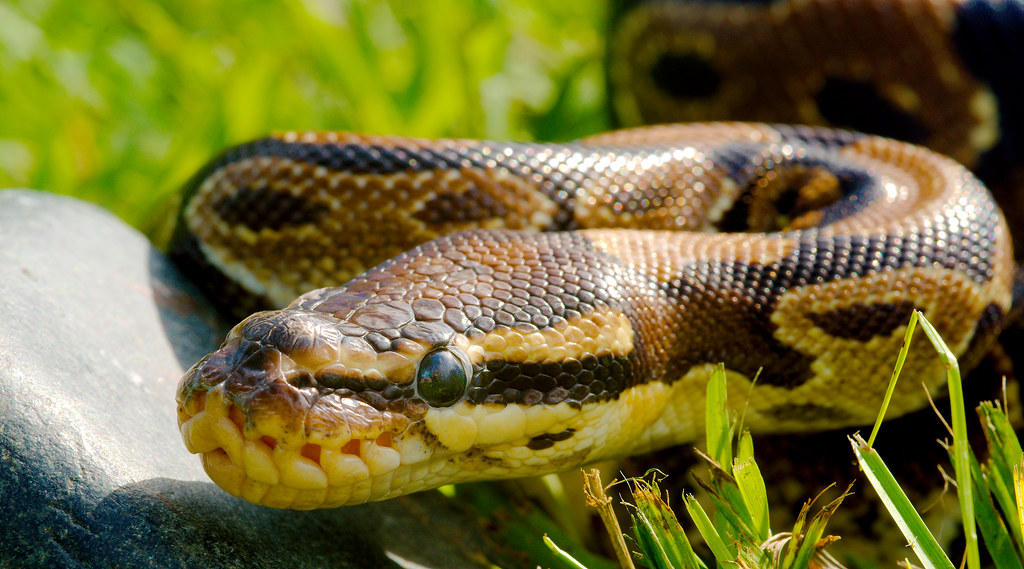
The ball python is a moderate-sized constrictor snake, well known for its defensive behavior of curling into a compact ball.

Natural habitat

It occupies savannas, open forests, and scrubland areas, using other animals' burrows and natural shelters for protection.

Behavior

It is mainly nocturnal and crepuscular. During the day it shelters in burrows or under logs. When threatened, it curls up forming a tight ball.

Special traits

Its ability to curl up completely gives it its common name. It is a generally calm and non-aggressive snake.

Conservation and threats

It is not considered globally threatened, although capture for the pet trade can affect local populations if not regulated.

Curiosities

Striking details about Ball Python that show its biology and ecology in a different way.

  • 🌍 It curls up forming a tight ball when it feels threatened, hence its common name.
  • It is one of the most popular snakes in terrarium keeping due to its manageable size and calm temperament.
  • 🔎 It can go for long periods without eating, especially during shedding season.
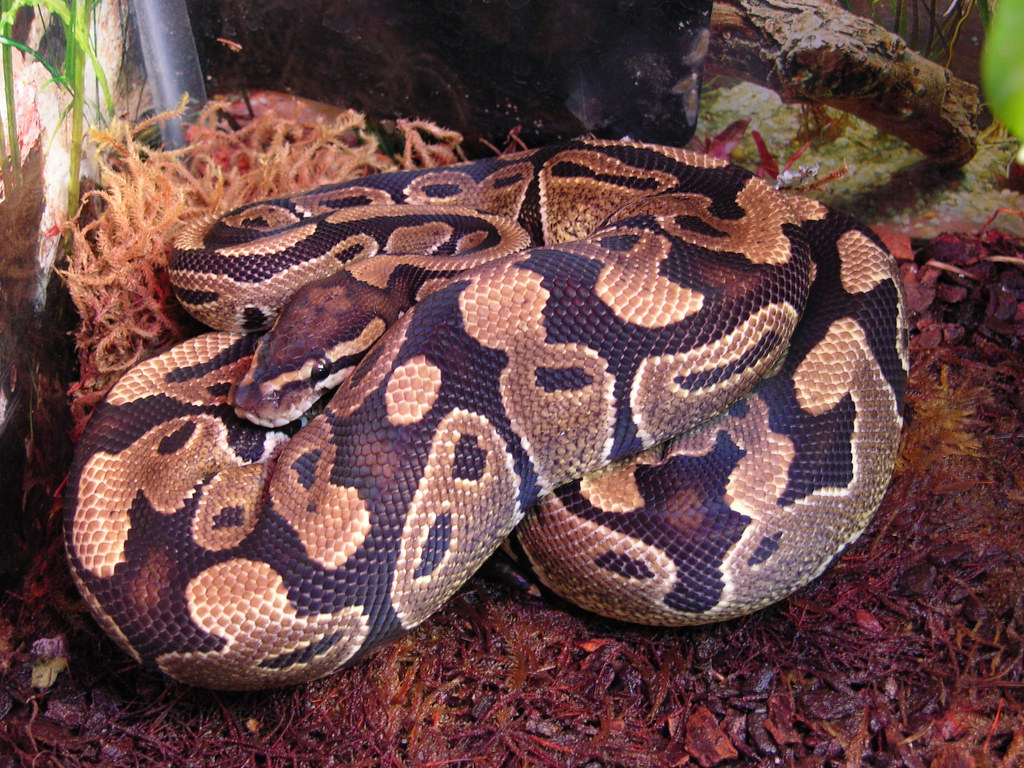
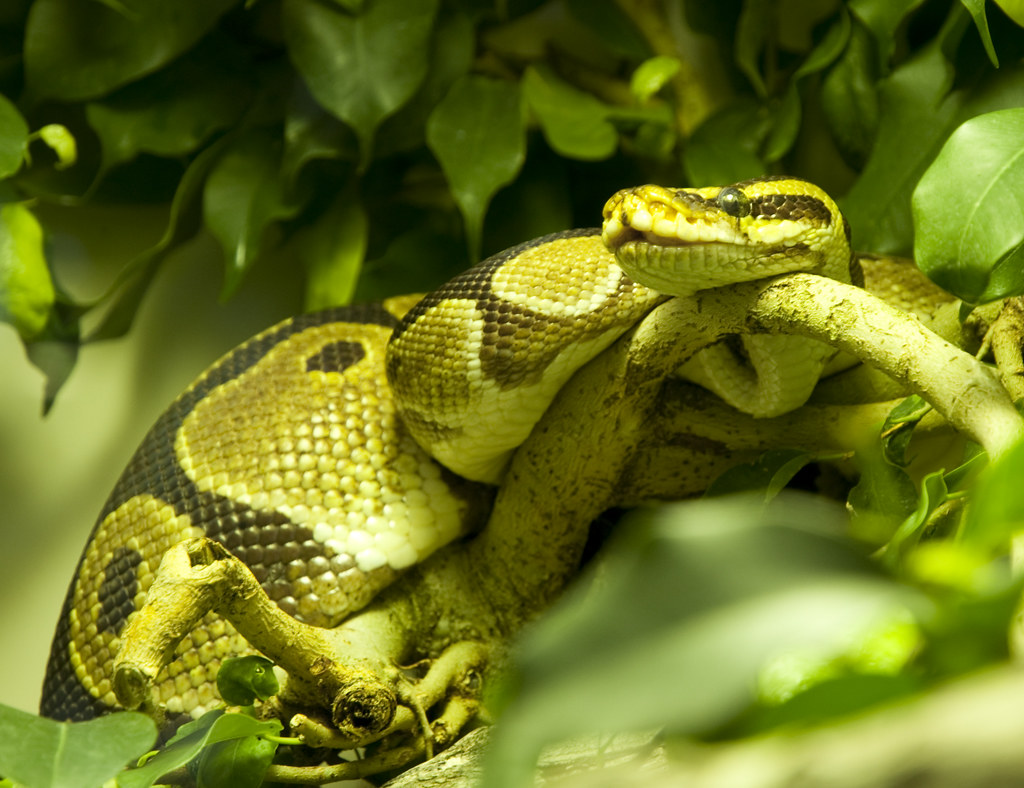
  • 🧠 There are numerous color phases and patterns bred in captivity.

Perfil de bienestar

Aspects to consider if Ball Python is kept in captivity at specialized centers.

Terrarium size Medium

Requires terrariums with sufficient space to stretch and multiple hides where it can feel secure.

Thermal requirements Important

Needs an adequate thermal gradient with hot and cool zones, plus controlled humidity to facilitate shedding.

Tolerance to handling Limited

Accepts calm handling, but it should be respectful and not excessive. Sudden movements can stress it.

Ball Python in captivity

General information aimed at professional facilities and authorized centers. Not intended to promote private keeping of wildlife without proper training and permits.

⚠️ Although it is one of the most common snakes in captivity, it remains a wild animal. It is essential to research well before acquiring one and avoid impulse purchases.

Suitable terrarium

Horizontal terrariums with hides in hot and cool zones, appropriate substrate, and good ventilation. Lighting should respect its nocturnal activity.

Feeding

Diet based on appropriately sized thawed rodents. Feeding frequency varies according to age and specimen size.

Health and checkups

It is important to monitor weight, shed quality, and behavior. Check-ups with exotic veterinarians help detect early problems.

Responsibility

Indiscriminate breeding and sales without proper information can lead to abandonment or poor quality of life. Always prioritize ethical breeders and responsible adoptions.

Imagen ampliada