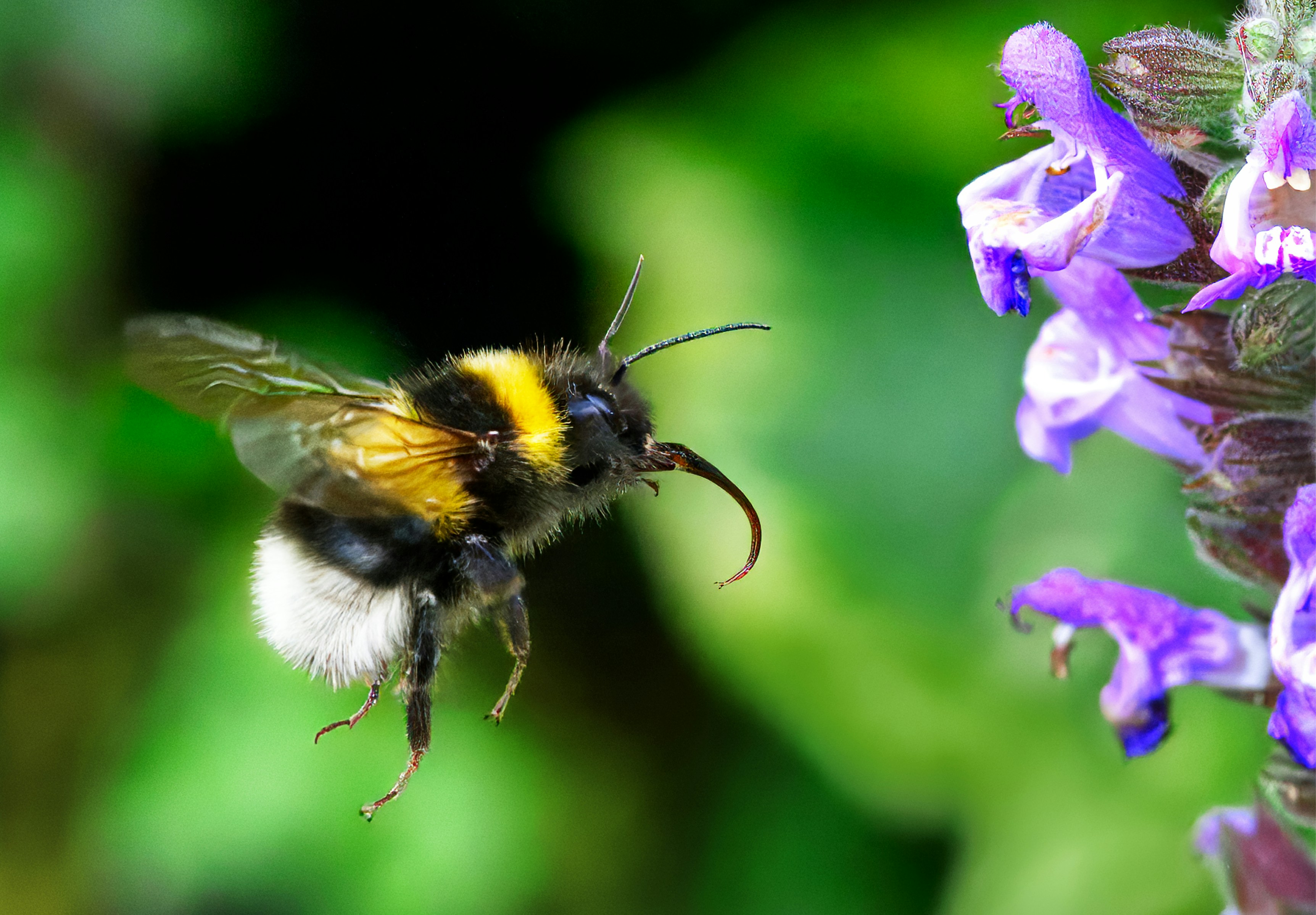
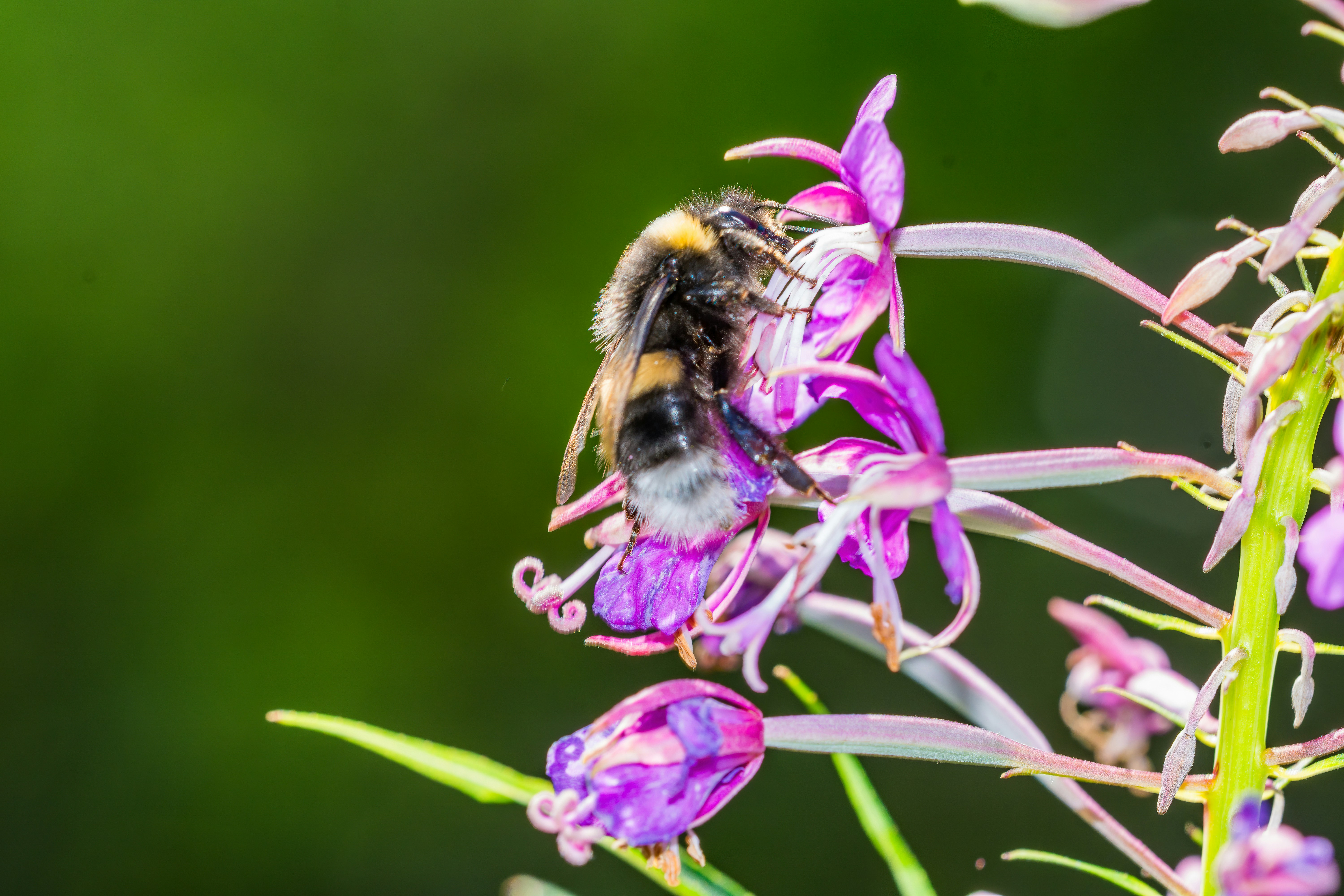
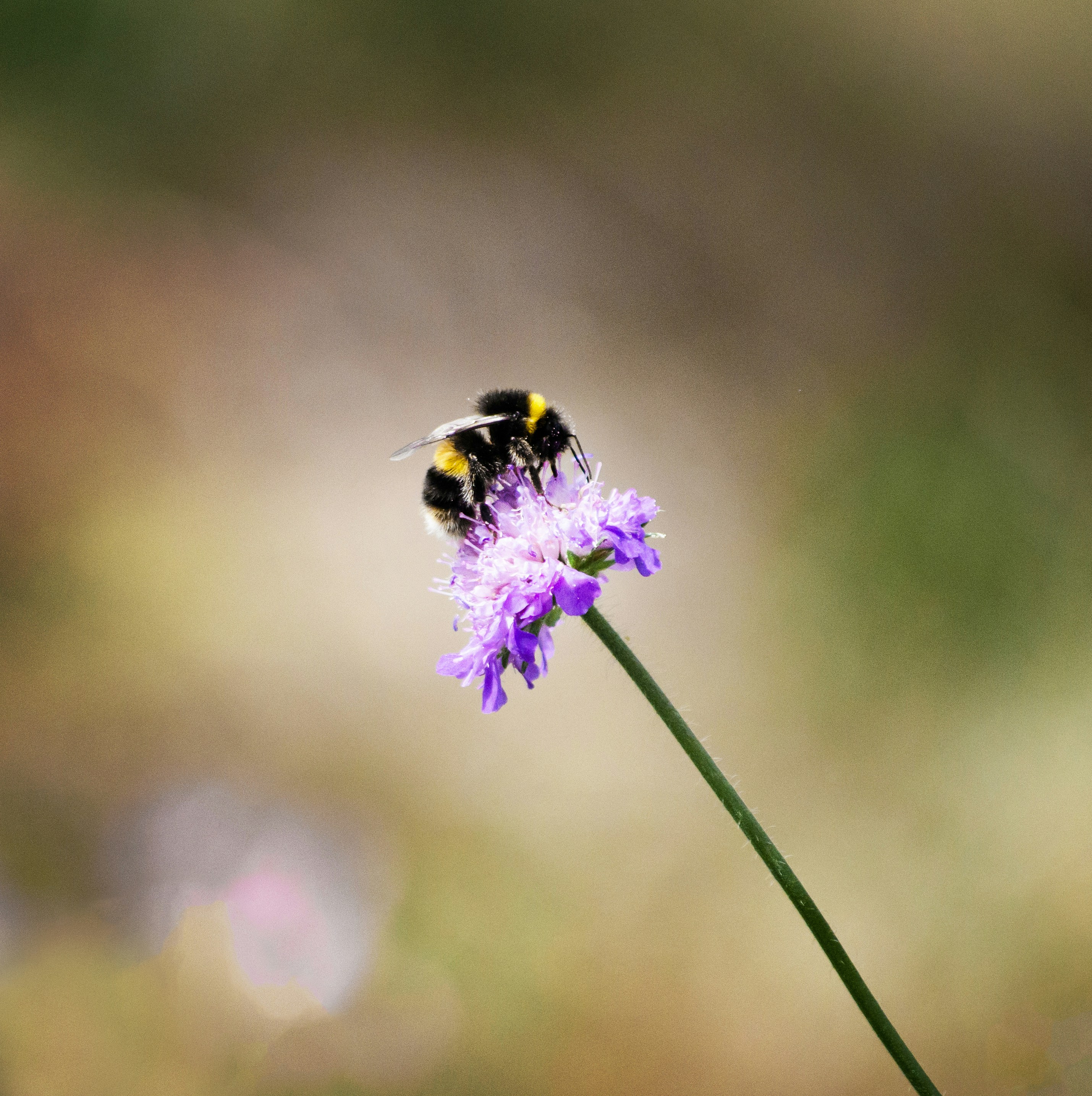
Common Bumblebee

Scientific name: Bombus terrestris

Type: Insect Main biome: Temperate Forest Difficulty: Media

Social insect with seasonal colonies, highly valued in agriculture for its pollinating efficiency.

Quick facts

  • Approximate size1.5–2.5 cm (queens larger)
  • Average weight0.2–0.6 g
  • Life expectancyAnnual colony; queens hibernate and found new nests
  • ActivityDiurnal
Common Bumblebee
Common Bumblebee
Common Bumblebee

Basic information

  • 🏡Habitat: nests in the ground, slopes, nest boxes, or cavities; prefers flowered landscapes with plant diversity.
  • 🍏Diet: nectar and pollen from a wide variety of flowers.
  • 👫Sexual dimorphism: large queens, smaller workers; males with slightly different color patterns.
  • 🐾Predators: insectivorous birds, spiders, badgers, and other mammals that search for their nests.

Life in the wild

How this species lives in its natural environment, with the climate, shelters and resources it needs.

Species overview

The common bumblebee is a key ally of many crops and wild plants in temperate regions.

Natural habitat

It needs flower mosaics throughout the season and safe places to establish its nests.

Behavior

Queens found nests in spring; workers are responsible for collecting food and caring for larvae.

Special features

Its thermoregulation ability allows it to fly on cold or cloudy days.

Conservation and threats

It is affected by pesticides, loss of wildflowers, and changes in land use.

Curiosities

Striking details about this species that show its biology and ecology in a different way.

  • 🌿It can vibrate flowers (buzz pollination) to release pollen.
  • It tolerates lower temperatures than many bees, so it starts activity early in the season.
  • 🔎It is commercially bred to pollinate crops such as tomatoes and peppers in greenhouses.
  • 🧬Its heavy and fuzzy flight makes it very recognizable to the public.

Welfare profile

Aspects to consider if this species is kept in captivity in specialized centers.

Space and facilitiesHigh

Commercial colonies in greenhouses must be managed avoiding massive escapes to environments where they could be invasive.

Environmental conditionsMedium

It is important to ensure a varied diet and avoid pesticides within their work area.

Handling and stressMedium

Handling bumblebee hives requires care to avoid crushing individuals or overexploiting the colony.

Common Bumblebee in captivity

General information aimed at professional facilities and authorized centers.

⚠️ Before keeping insects like this species, it is important to consult local regulations and always consider whether it is really necessary to remove them from their natural environment.

Suitable facilities

Very useful in agricultural and educational projects on pollinators.

Feeding in responsible centers

Colonies are usually purchased from specialized suppliers and must be managed according to local regulations.

Handling and welfare

It is recommended not to release commercial colonies into natural spaces without planning.

Ethical message

They allow explaining differences between honey bees, solitary bees, and bumblebees.

Imagen ampliada