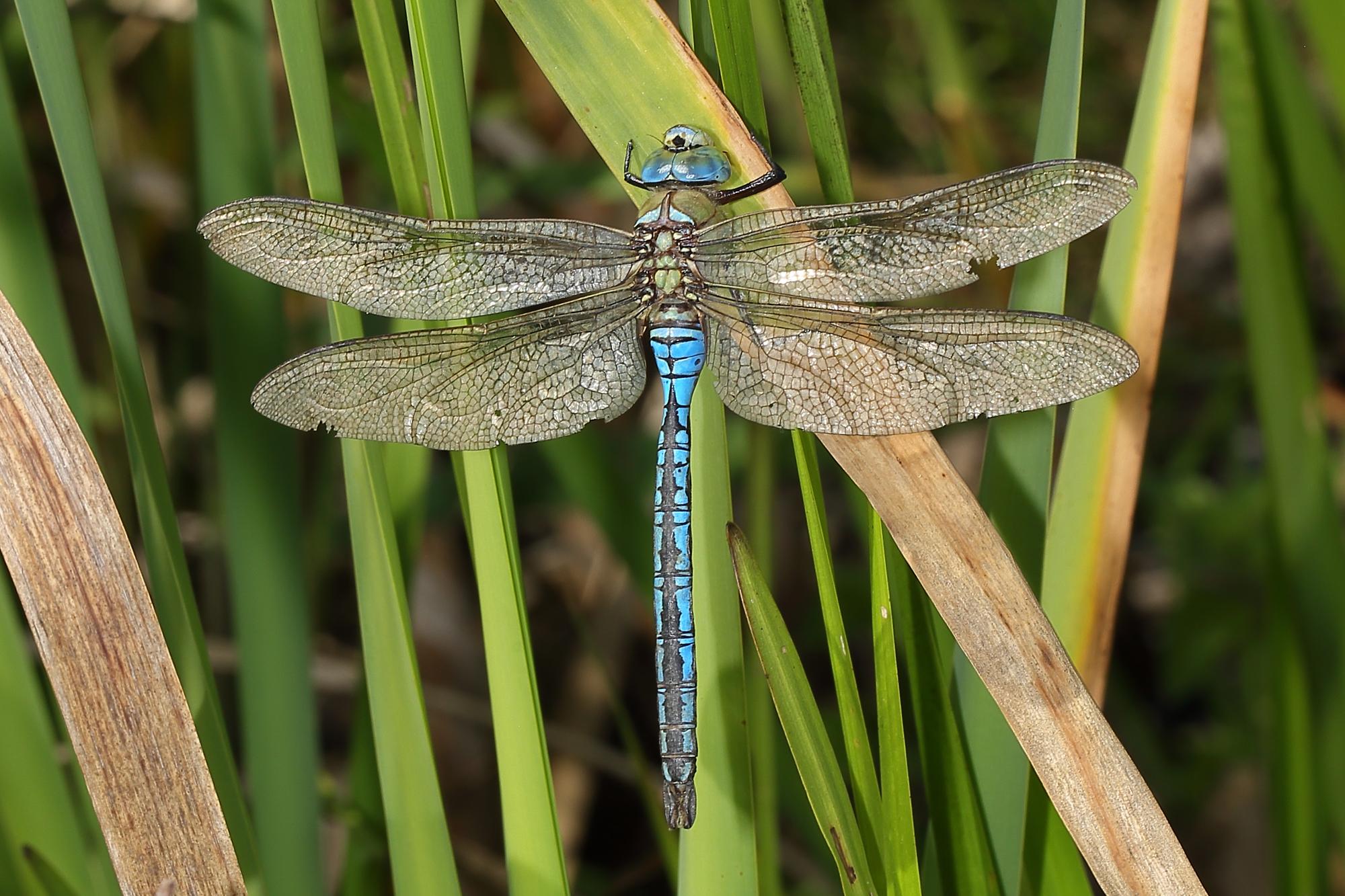
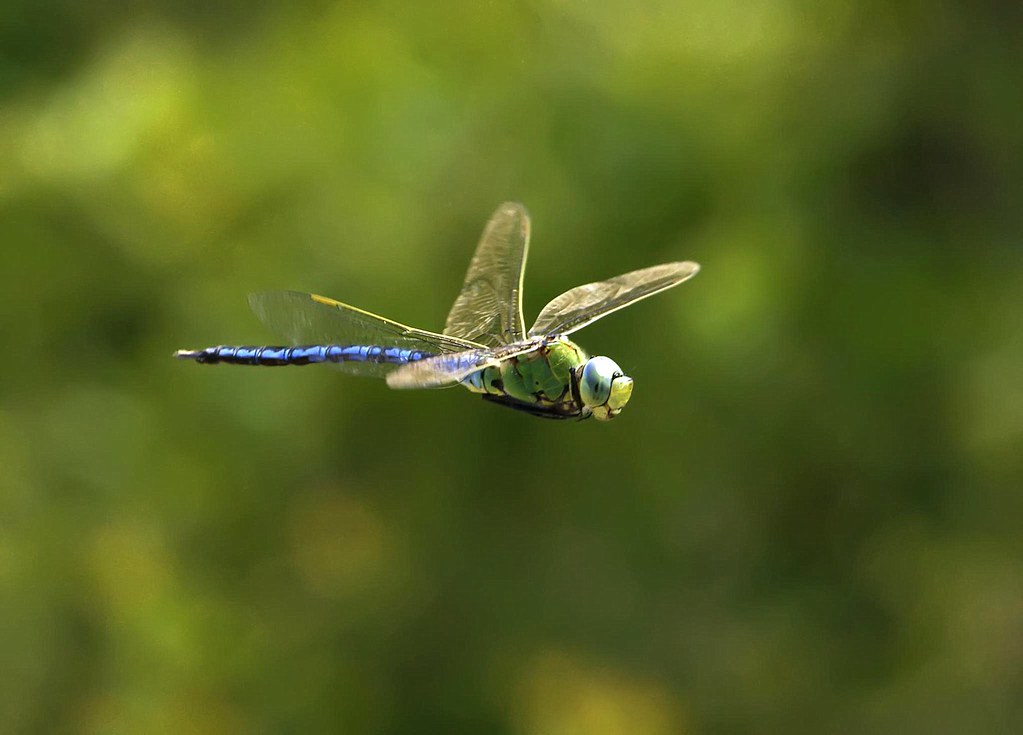
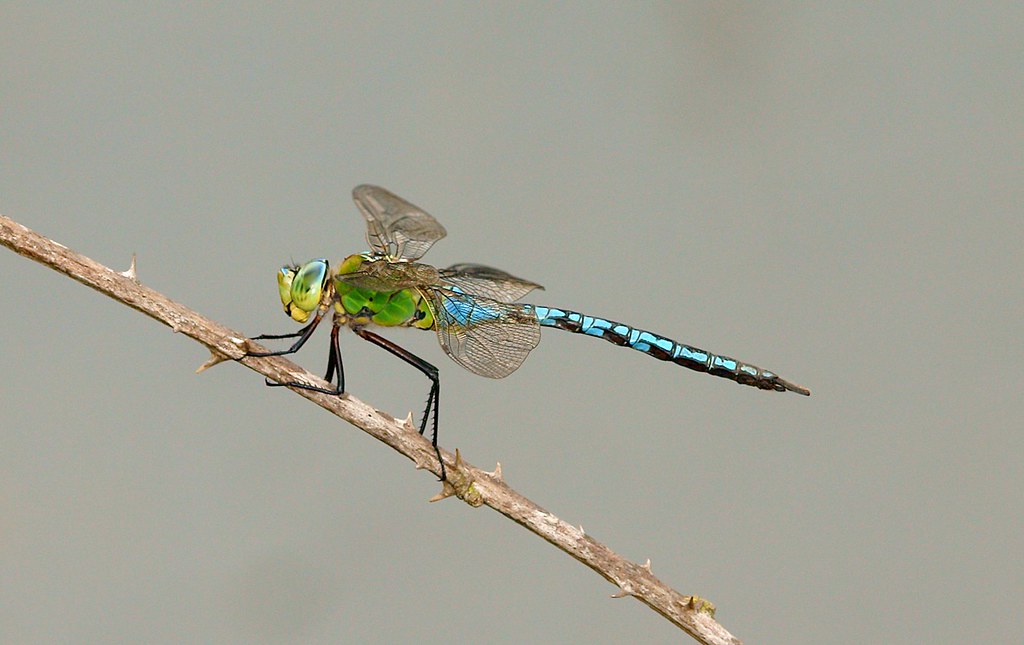
Common Dragonfly

Scientific name: Sympetrum striolatum

Type: Insect Main biome: Rivers and Wetlands Difficulty: Alta

Insect that divides its life between water (larva) and air (adult), with a key role in mosquito control.

Quick facts

  • Wingspan9–11 cm
  • Body length7–8 cm
  • Life expectancy1–3 years as larva; few weeks as adult
  • ActivityDiurnal
Common Dragonfly
Common Dragonfly
Common Dragonfly

Basic information

  • 🏡Habitat: lakes, ponds, and slow rivers with good water quality and aquatic vegetation.
  • 🍏Diet: larvae eat aquatic invertebrates and small fish; adults hunt mosquitoes and other flying insects.
  • 👫Sexual dimorphism: males usually have more intense colors and patrol territories over water.
  • 🐾Predators: fish, birds, frogs, and other insects; larvae are also predated in water.

Life in the wild

How this species lives in its natural environment, with the climate, shelters and resources it needs.

Species overview

Dragonflies are spectacular aerial and aquatic predators, fundamental in many wetlands.

Natural habitat

They depend on relatively clean water bodies with vegetation where larvae can hide and hunt.

Behavior

Adults patrol over water, while larvae lurk hidden among plants and sediments.

Special features

Their metamorphosis includes a spectacular emergence from water and wing expansion.

Conservation and threats

Wetland pollution and pond desiccation are main threats to many dragonfly species.

Curiosities

Striking details about this species that show its biology and ecology in a different way.

  • 🌿Their larvae have an extensible "mask" with which they capture prey underwater.
  • Adults are very skilled fliers capable of changing direction quickly.
  • 🔎They serve as indicators of good water quality.
  • 🧬Their presence helps reduce mosquito populations in many areas.

Welfare profile

Aspects to consider if this species is kept in captivity in specialized centers.

Space and facilitiesHigh

In captivity it is difficult to properly reproduce their complete cycle, especially for non-specialized projects.

Environmental conditionsHigh

They need tanks with excellent water quality and appropriate live prey for both larvae and adults.

Handling and stressHigh

Capture and prolonged confinement of adults reduces their reproductive capacity and ecological role.

Common Dragonfly in captivity

General information aimed at professional facilities and authorized centers.

⚠️ Before keeping insects like this species, it is important to consult local regulations and always consider whether it is really necessary to remove them from their natural environment.

Suitable facilities

Observation is usually best done in the wild, through field trips to wetlands.

Feeding in responsible centers

Breeding projects should focus on habitat conservation rather than keeping specimens indoors.

Handling and welfare

In classrooms, models and videos can be used to explain their life cycle.

Ethical message

Promoting the creation and care of natural ponds is an effective way to favor dragonflies and other aquatic insects.

Imagen ampliada