Corydoras Catfish

Scientific name: Corydoras aeneus y especies afines

Type: Fish Main biome: Rivers and Wetlands Difficulty: Fácil

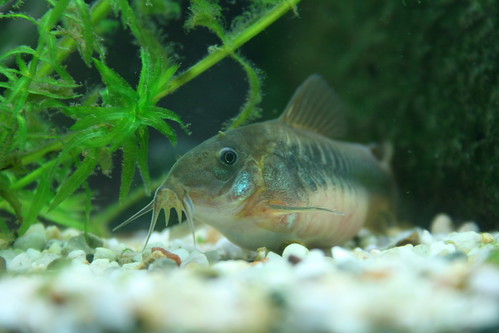
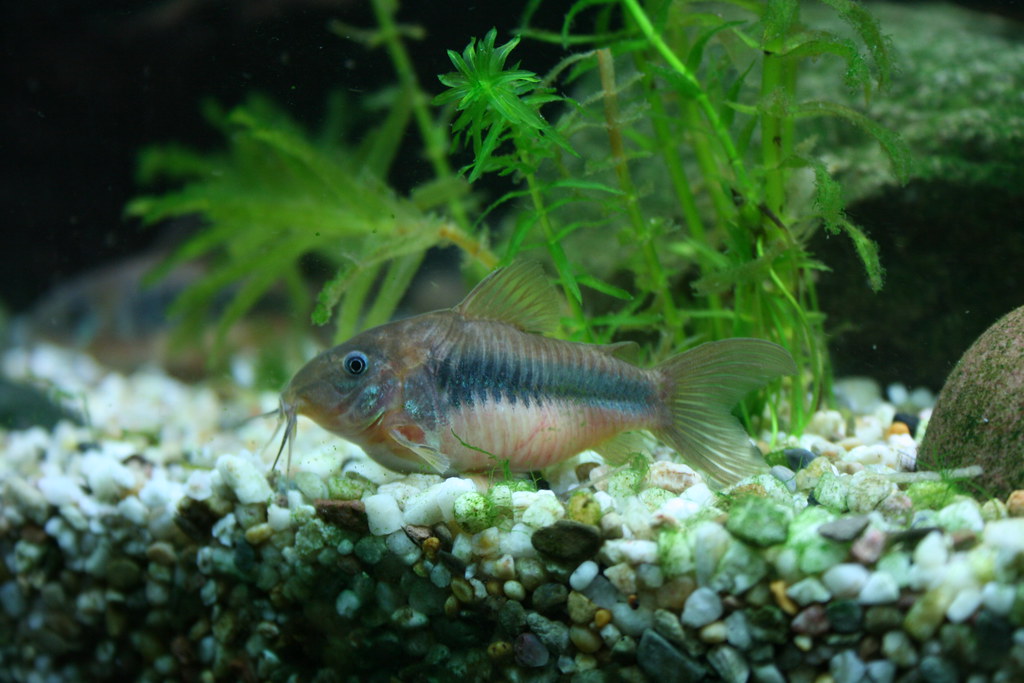
Social bottom cleaners that need to live in groups and soft substrates for their barbels.

Quick facts

  • Approximate size5–7 cm
  • Average weight3–6 g
  • Life expectancy5–8 years (captivity)
  • ActivityMostly crepuscular, but visible during the day
Corydoras Catfish
Corydoras Catfish
Corydoras Catfish

Basic information

  • 🏡Habitat: rivers and streams with gentle current with sandy or silty bottoms.
  • 🍏Diet: food scraps, small bottom invertebrates, and specific food in pellets.
  • 👫Sexual dimorphism: females larger and with wider belly; males somewhat more slender.
  • 🐾Predators: larger fish and other bottom predators; eggs are vulnerable in nature.

Life in the wild

How this species lives in its natural environment, with the waters, shelters and resources it needs.

Species overview

Corydoras are classic bottom inhabitants in tropical community aquariums.

Natural habitat

They prefer soft bottoms, with leaves and branches, where they can search without damaging their sensory barbels.

Behavior

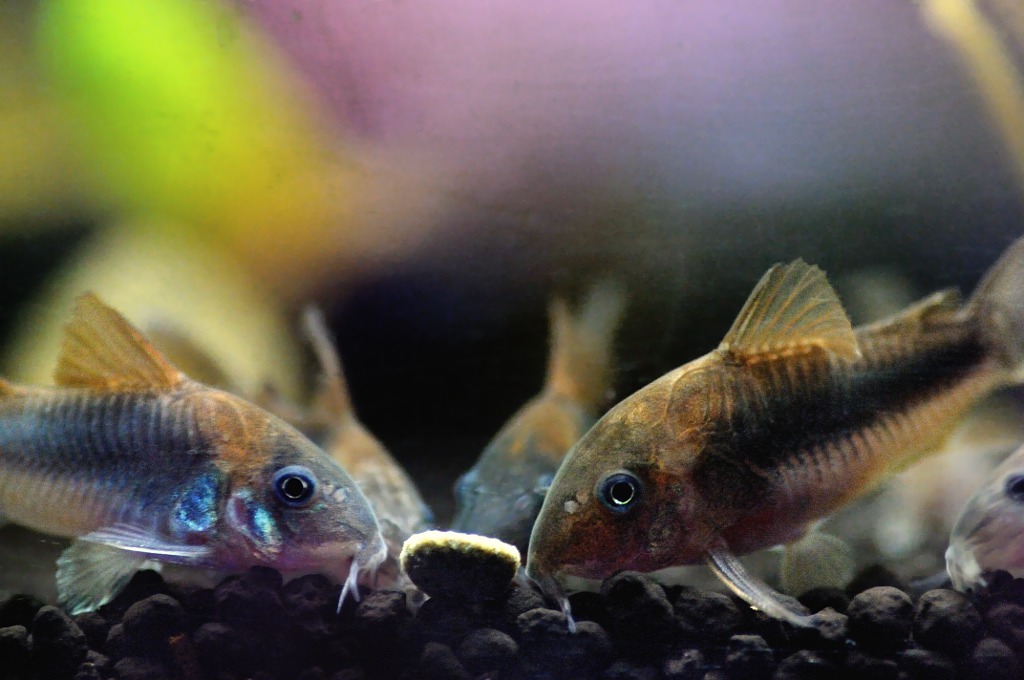
They form small groups that patrol the bottom in search of food, alternating activity and rest.

Special features

Their habit of "sucking" the bottom helps remove debris, but they do not replace aquarium maintenance.

Conservation and threats

Many species remain common, but deforestation and river pollution are growing threats.

Curiosities

Striking details about this species that help better understand its biology and role in aquatic ecosystems.

  • 🌊They like to live in groups of at least 5–6 individuals.
  • They come to the surface to take gulps of air, which they can absorb through the intestine.
  • 🔎They are very peaceful and compatible with calm fish of similar size.
  • 🧭Their bony plates give them an "armored fish" appearance.

Welfare profile

Summary of the most critical points if this species is kept in aquariums, ponds or specialized facilities.

Space and facilitiesMedium

They need aquariums with soft bottom (sand or fine gravel) to protect their sensory barbels.

Water quality and parametersMedium

They require clean and well-oxygenated water, although they are quite hardy.

Handling and stressLow

They are peaceful fish that adapt well to human presence when in a group.

Corydoras Catfish in captivity

General information aimed at professional facilities, public aquariums and educational projects. It does not intend to promote capture or impulsive keeping of aquatic fauna.

⚠️ Before keeping fish like this species, it is essential to review local regulations, ensure adequate facilities and minimize impact on wild populations.

Suitable facilities

Ideal for community aquariums with calm companions and soft bottom.

Feeding in responsible centers

The diet includes bottom pellets, frozen food, and food scraps that fall to the bottom.

Handling and welfare

It is essential to keep them in groups of at least 5–6 individuals so they show their natural behavior.

Ethical message

In education it can be used to talk about bottom fish, social behavior, and aquarium cleaning.

Imagen ampliada