Dung Beetle

Scientific name: Scarabaeus sacer

Type: Insect Main biome: Desert Difficulty: Media

Natural recycler that helps return nutrients to the soil and control parasites associated with excrement.

Quick facts

  • Approximate size2–3 cm
  • Average weight3–5 g
  • Life expectancySeveral months to a couple of years
  • ActivityGenerally crepuscular or nocturnal
Dung Beetle
Dung Beetle
Dung Beetle

Basic information

  • 🏡Habitat: dry grasslands, steppes, and semi-arid areas with presence of large herbivores.
  • 🍏Diet: mammal dung, which it buries to consume and to feed its larvae.
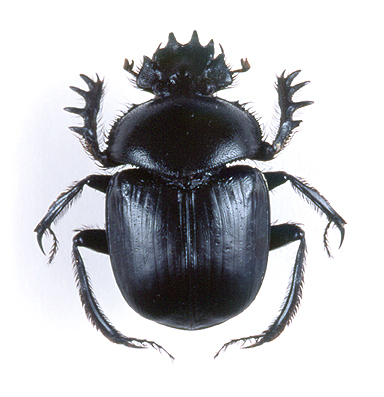
  • 👫Sexual dimorphism: subtle differences in head and pronotum shape; males are usually somewhat larger.
  • 🐾Predators: birds, reptiles, and insectivorous mammals; also competes with other coprophagous beetles.

Life in the wild

How this species lives in its natural environment, with the climate, shelters and resources it needs.

Species overview

The dung beetle is an anonymous hero of recycling in many open ecosystems.

Natural habitat

It prefers soils where it can dig and bury its balls without them flooding easily.

Behavior

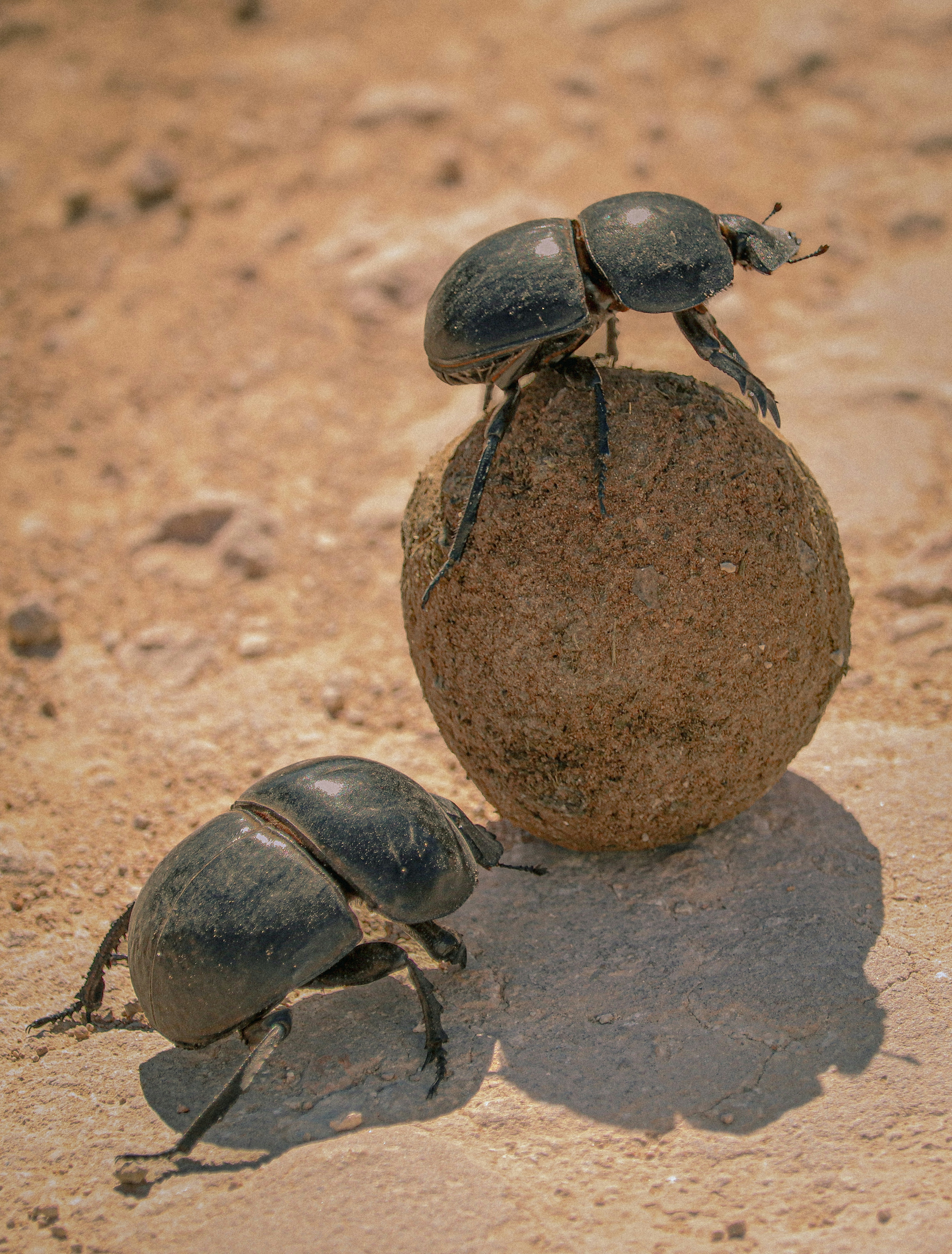
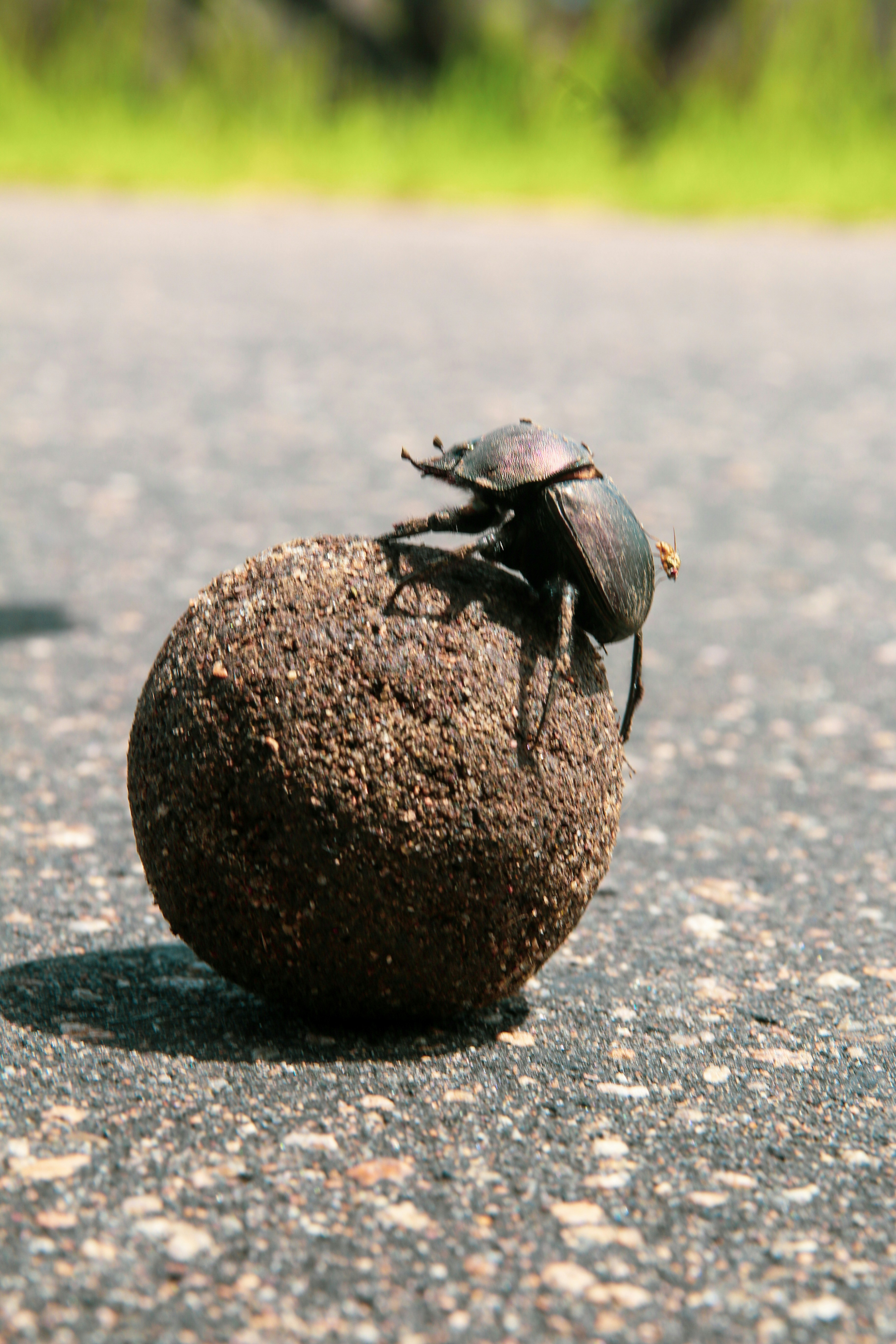
It forms dung balls that it rolls away from competition and then buries.

Special features

Its orientation ability and relative strength have been the subject of numerous studies.

Conservation and threats

It depends on the presence of large herbivores and the absence of very toxic veterinary products in dung.

Curiosities

Striking details about this species that show its biology and ecology in a different way.

  • 🌿Some species orient themselves using the Milky Way and other patterns in the night sky.
  • Its activity reduces the presence of parasites and flies associated with dung.
  • 🔎It has had important symbolic meanings in cultures such as the Egyptian.
  • 🧬Dung balls can be almost as large as the beetle itself.

Welfare profile

Aspects to consider if this species is kept in captivity in specialized centers.

Space and facilitiesMedium

In captivity it needs access to deep substrate to bury balls and take refuge.

Environmental conditionsMedium

The type of dung offered must be safe and free of drugs harmful to beetles.

Handling and stressMedium

It is not an insect suitable for confinement in small containers without substrate.

Dung Beetle in captivity

General information aimed at professional facilities and authorized centers.

⚠️ Before keeping insects like this species, it is important to consult local regulations and always consider whether it is really necessary to remove them from their natural environment.

Suitable facilities

It can be kept in specialized facilities to show its ball-rolling behavior.

Feeding in responsible centers

Its presence in education reinforces the importance of natural recycling processes.

Handling and welfare

Mass captures in areas with small populations should be avoided.

Ethical message

It can be linked to content on extensive livestock farming and sustainable grassland management.

Imagen ampliada