Eastern Box Turtle

Scientific name: Terrapene carolina carolina

Type: Reptile Main biome: Temperate Forest Difficulty: Media

Temperate forest reptile with a slow lifestyle and great dependence on humid microhabitats.

Quick facts

  • Approximate size12–18 cm shell
  • Average weight400–800 g
  • Life expectancy40–60 years (can exceed these figures)
  • ActivityDiurnal, with rest periods in humid shelters
Eastern Box Turtle
Eastern Box Turtle
Eastern Box Turtle

Basic information

  • 🏡Habitat: inhabits temperate forests, scrubby grasslands, and humid clearings, using fallen logs and leaf litter as shelter.
  • 🍏Diet: omnivorous; consumes invertebrates, mushrooms, fruits, shoots, and occasional carrion.
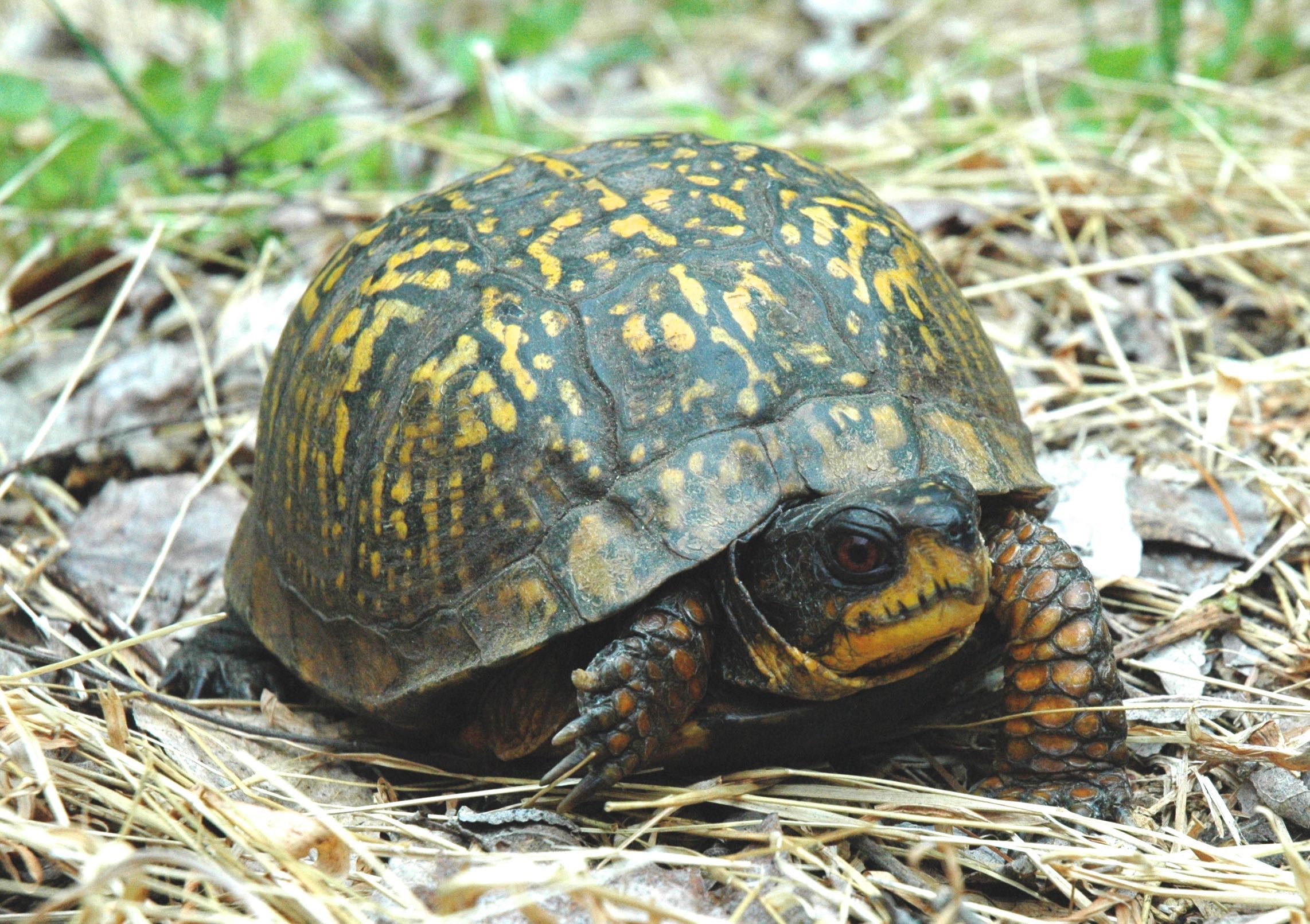
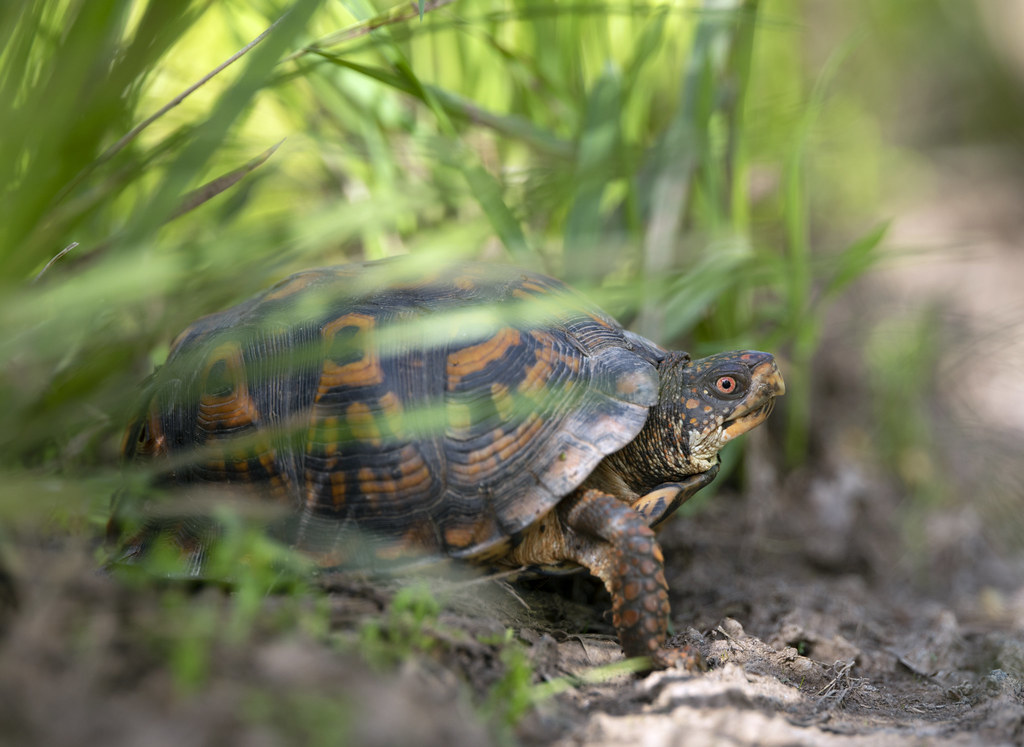
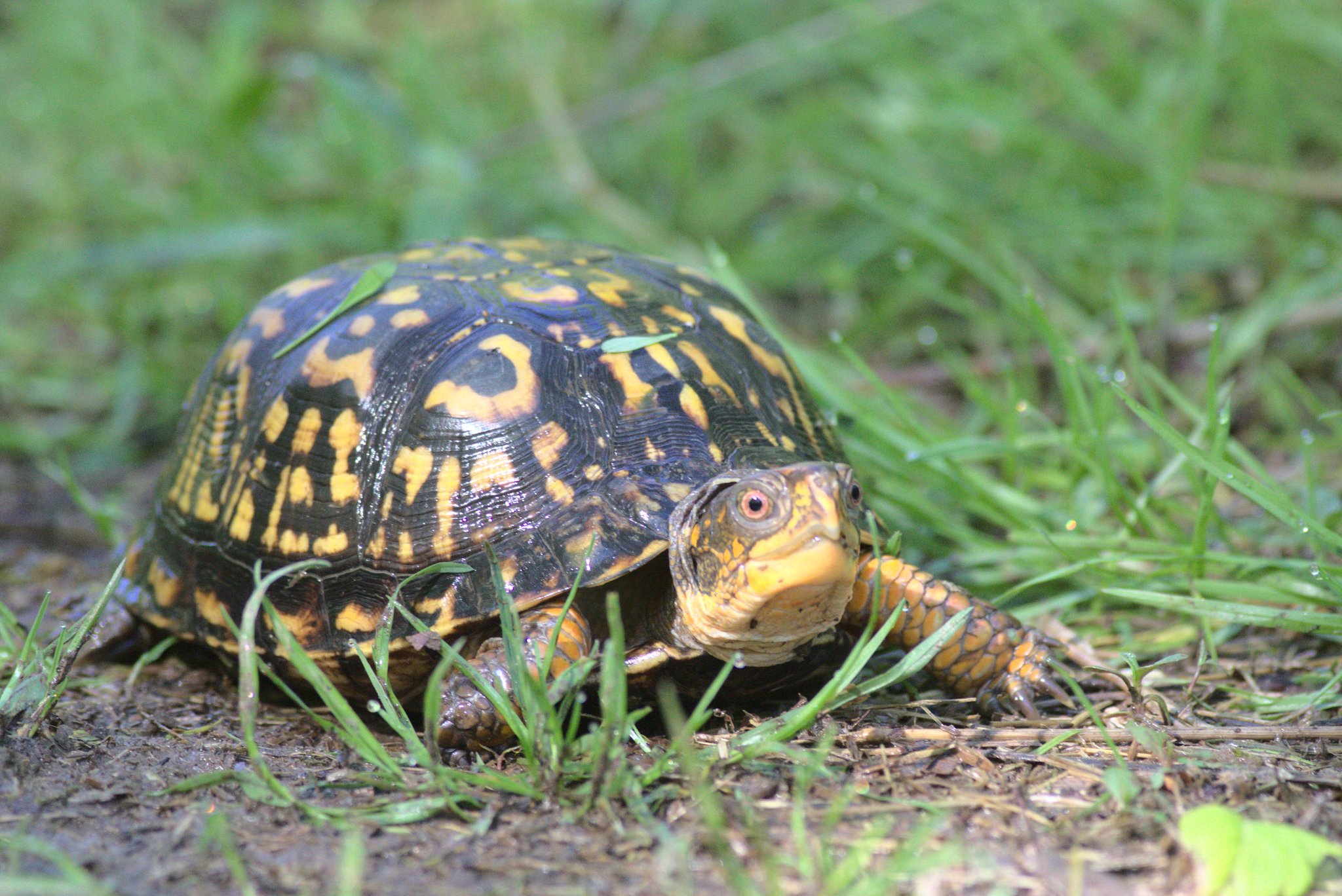
  • 👫Sexual dimorphism: males usually have reddish or orange eyes and a wider tail base; females show browner irises.
  • 🐾Predators: raccoons, foxes, skunks, birds, and other carnivores; eggs and juveniles are especially vulnerable.

Life in the wild

How this species lives in its natural environment, with the climate, shelters and resources it needs.

Species overview

The eastern box turtle is a slow-moving terrestrial chelonian that roams forests and humid grasslands of North America.

Natural habitat

It needs soils rich in leaf litter, fallen logs, humid clearings, and areas where it can dig slightly to shelter or aestivate.

Behavior

It is diurnal but spends many hours hidden in cool shelters, especially during the hottest times. It can travel considerable distances throughout its life.

Special features

Its hinged plastron allows it to close its shell almost completely, protecting itself from many predators. Its longevity means each individual roams the same territory for decades.

Conservation and threats

Road mortality, collection for trade, and habitat loss have reduced some populations. Its slow reproduction rate makes recovery difficult.

Curiosities

Striking details about this species that show its biology and ecology in a different way.

  • 🌍It can close its shell almost completely thanks to a hinged plastron.
  • It has a very long lifespan, often several decades.
  • 🔎It depends on humid microhabitats even in relatively dry areas.
  • 🧠Roads and habitat fragmentation are major threats to its populations.

Welfare profile

Aspects to consider if this species is kept in captivity in specialized centers.

Enclosures and spaceHigh

Requires spacious terrestrial enclosures with deep substrate and areas to maintain humidity, plus varied shelters.

Light, temperature, and environmentMedium

Access to sunny areas and shaded, humid spots is essential for proper thermoregulation.

Handling and stressMedium

Frequent handling is not recommended; it benefits more from quiet observation than direct contact.

Eastern Box Turtle in captivity

General information aimed at professional facilities and authorized centers.

⚠️ The capture and trade of reptiles like this species are regulated in many countries. It is essential to verify the legal origin of animals and prioritize responsible breeding programs and habitat conservation.

Suitable enclosures

Outdoor enclosures with predator protection are ideal in suitable climates, combining grasses, leaves, low shrubs, and artificial shelters.

Feeding in responsible centers

Its diet should include a mix of animal-origin foods and appropriate plant ingredients, avoiding excess protein or fruit.

Handling and welfare

It is important to perform periodic checks of shell and limbs to detect injuries or infections.

Ethical message

Given its long lifespan, keeping a box turtle implies a commitment of several decades.

Imagen ampliada