Goldfish
Scientific name: Carassius auratus
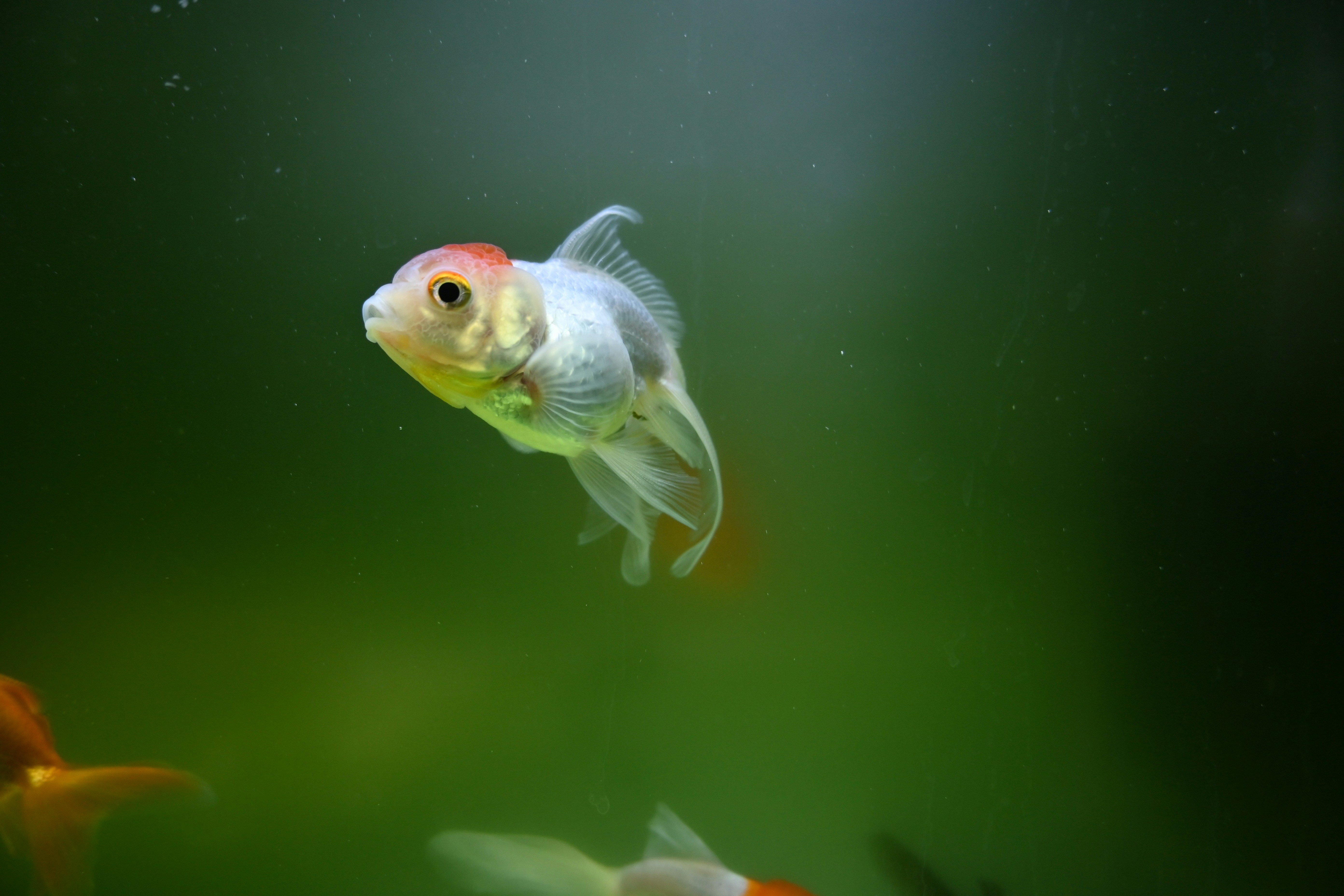
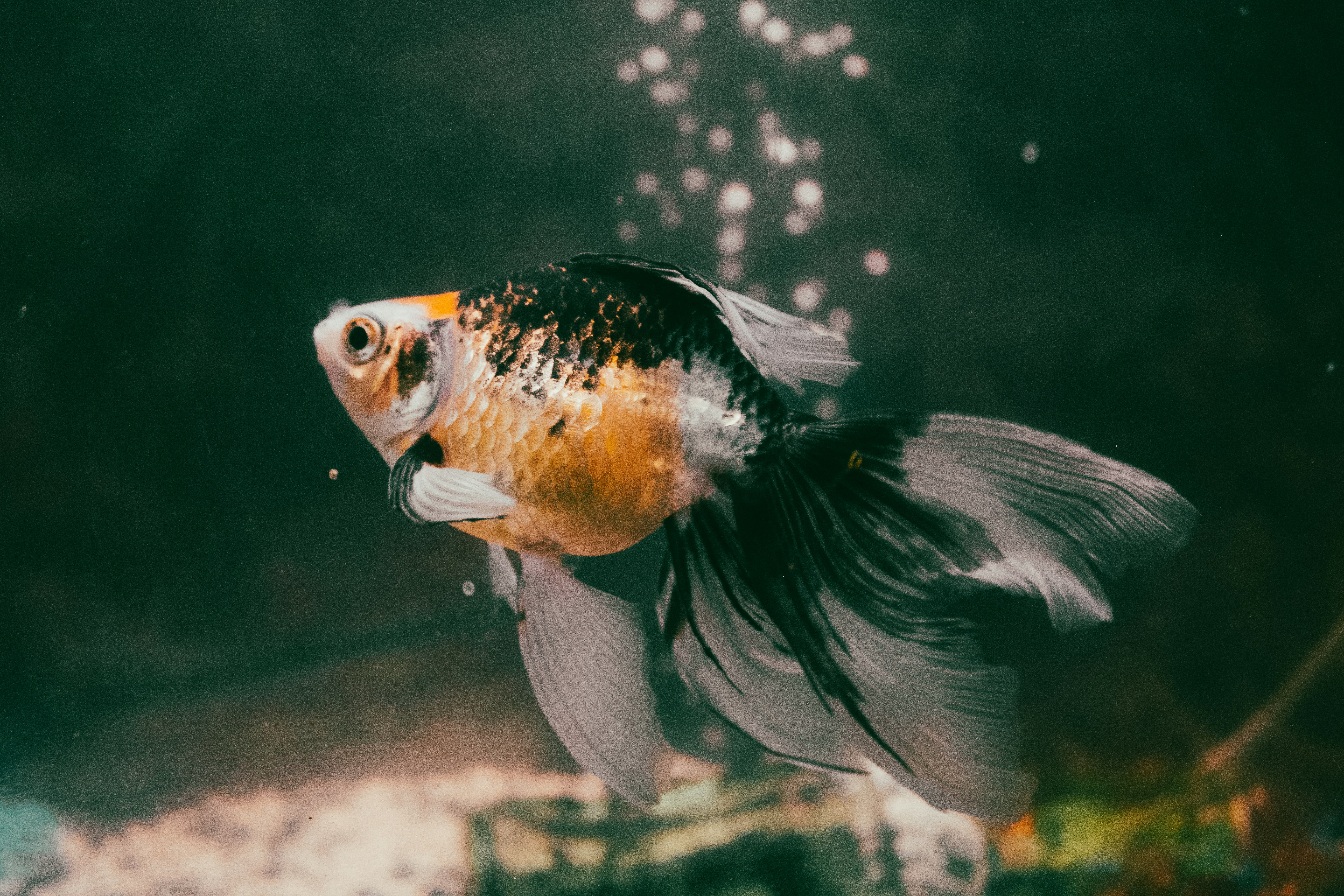
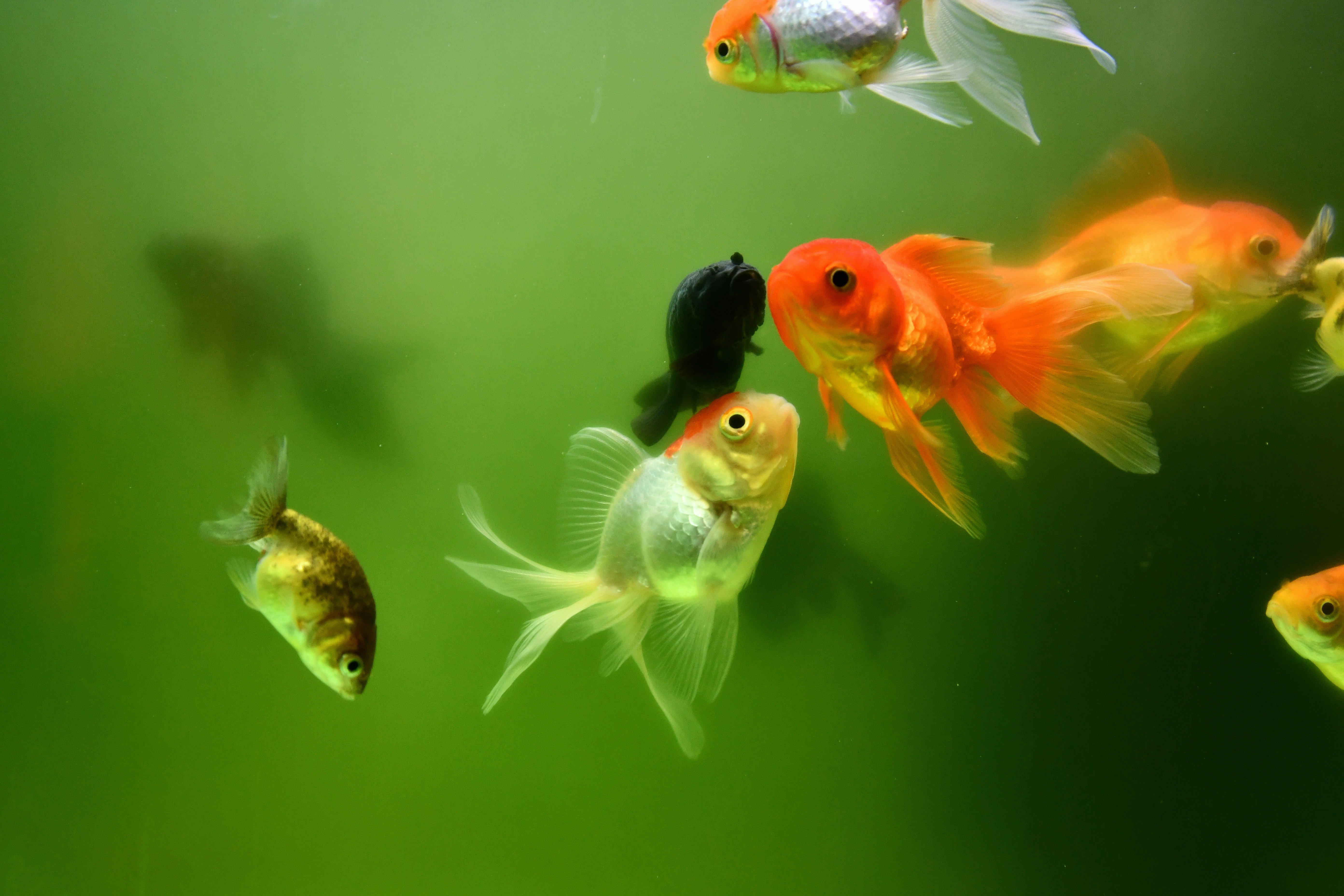
Traditional ornamental fish, perfect for ponds and large aquariums.
Quick facts
- Approximate size15–30 cm (in ponds)
- Average weight200–500 g
- Life expectancy10–20 years (well maintained)
- ActivityDiurnal
Scientific name: Carassius auratus
Traditional ornamental fish, perfect for ponds and large aquariums.
How this species lives in its natural environment, with the waters, shelters and resources it needs.
It descends from Asian carp that inhabited rivers and lakes of temperate waters. In semi-wild state it is found in ponds, canals, and water bodies with gentle current.
It is a gregarious fish that forms groups to feed and move. It spends much of its time searching for food on the bottom and among vegetation.
When released into the wild outside its original range it can become invasive, altering ecosystems and displacing native species. It should never be released into rivers or lakes.
Some interesting facts about the goldfish that help understand its real needs.
Key points to offer good conditions to a goldfish in an aquarium or pond.
They are large and very active fish. They require large aquariums or, ideally, spacious ponds with plenty of water available.
They produce a lot of waste, so they require powerful filtration and frequent water changes to avoid accumulation of toxins.
They can coexist with other goldfish and species of similar size and calm temperament, always in facilities sized for the group.
General tips for responsible maintenance, away from the image of "fishbowl fish".
It can be a good option if you have a large aquarium or pond and understand its real adult size. It is not if you intend to keep it in tiny containers.
Spacious aquariums or ponds with good filtration. Warm, oxygenated water with stable parameters. Varied diet with quality specific food. Avoid overpopulation, which generates stress and health problems.
Keeping them in small fishbowls, not using a filter, overfeeding them, or mixing many different species in little water volume.
Well cared for, they can accompany the family for many years. Before adopting them, it is advisable to plan the space they will need as adults.