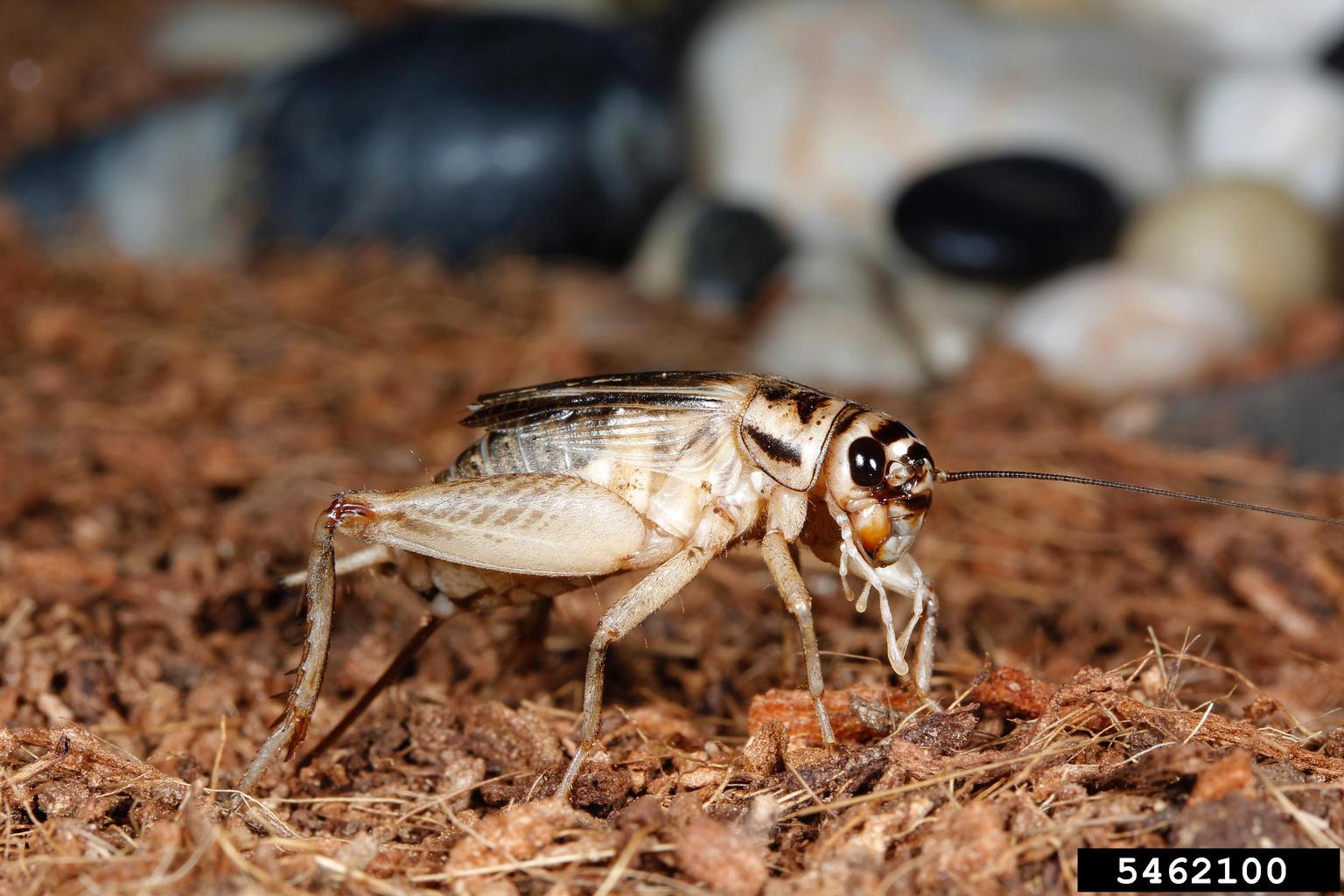
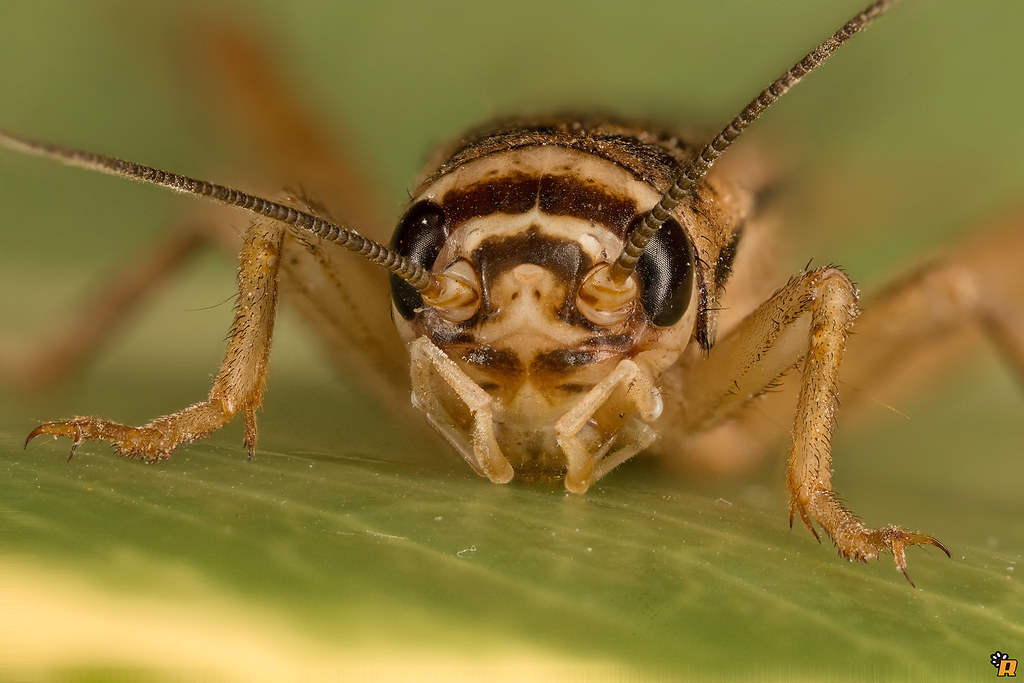
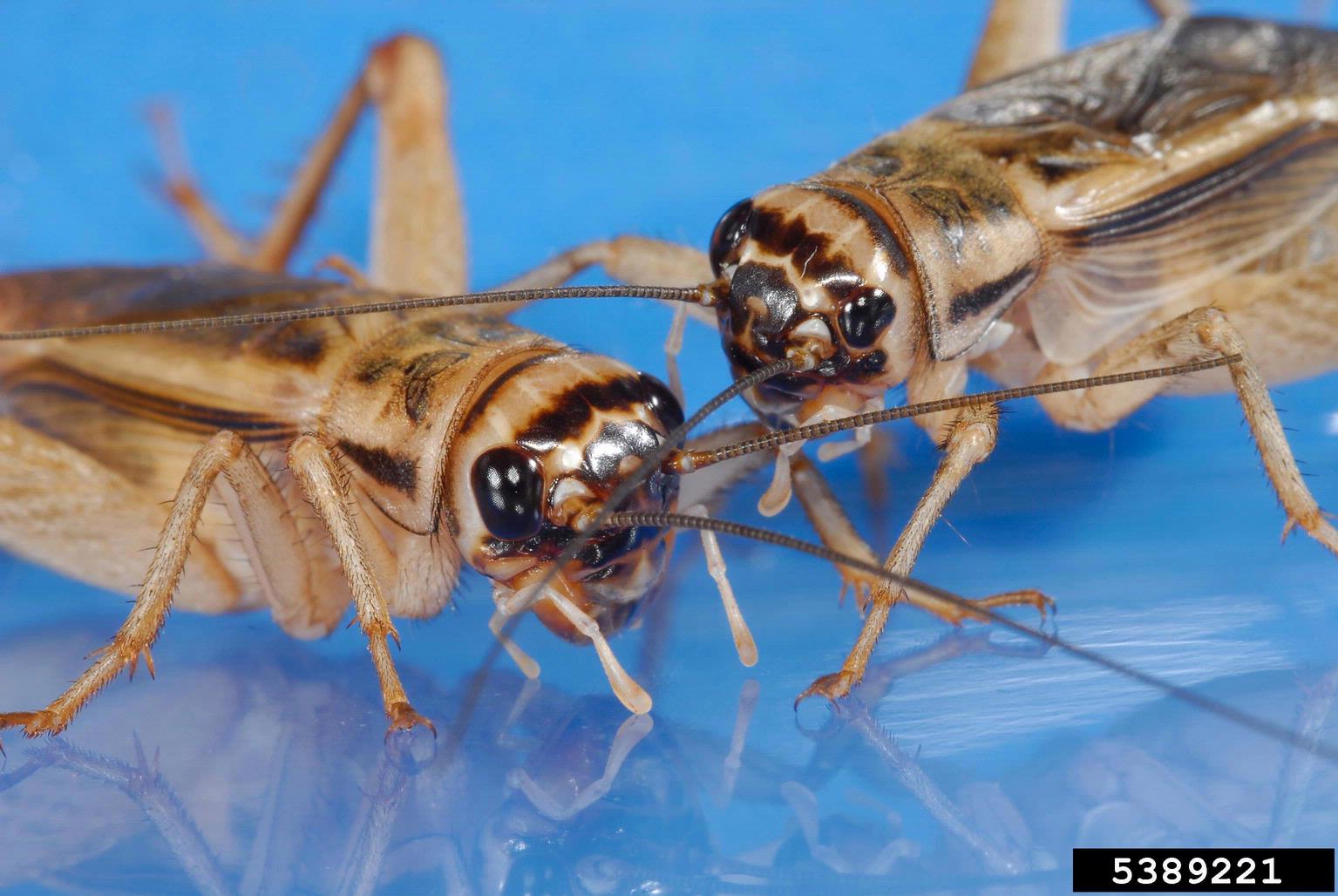
House Cricket

Scientific name: Acheta domesticus

Type: Insect Main biome: Temperate Forest Difficulty: Fácil

Insect that coexists with humans in many regions and is part of the food trade for reptiles and birds.

Quick facts

  • Approximate size1.5–2.5 cm
  • Average weight0.3–0.8 g
  • Life expectancy2–3 months (adults)
  • ActivityMainly nocturnal
House Cricket
House Cricket
House Cricket

Basic information

  • 🏡Habitat: grasslands, rural areas, homes, and specialized breeding facilities.
  • 🍏Diet: plant remains, dry feed, fruits, and vegetables.
  • 👫Sexual dimorphism: males chirp by rubbing their wings; females have a long, straight ovipositor for laying eggs.
  • 🐾Predators: birds, reptiles, small mammals, and many predatory invertebrates.

Life in the wild

How this species lives in its natural environment, with the climate, shelters and resources it needs.

Species overview

The house cricket is a very familiar insect in live food farms and in some homes around the world.

Natural habitat

It needs dry shelters, places to hide, and some substrate for egg laying.

Behavior

Males chirp to attract females and defend small territories; they are active at dusk.

Special features

Its chirping is part of the nocturnal soundscape in many rural areas.

Conservation and threats

It is not considered threatened; it is bred massively in captivity.

Curiosities

Striking details about this species that show its biology and ecology in a different way.

  • 🌿Its chirping is produced by wing rubbing (stridulation).
  • It is widely used as a protein source in terrarium keeping and, increasingly, in experimental human nutrition.
  • 🔎It reproduces easily under controlled conditions.
  • 🧬It has traditionally been associated with superstitions and sayings in different cultures.

Welfare profile

Aspects to consider if this species is kept in captivity in specialized centers.

Space and facilitiesMedium

In breeding farms, extreme temperatures, excessive overcrowding, and lack of ventilation should be avoided.

Environmental conditionsMedium

They need varied food and safe access to water to avoid drowning.

Handling and stressLow

Transport and handling should minimize deaths and injuries.

House Cricket in captivity

General information aimed at professional facilities and authorized centers.

⚠️ Before keeping insects like this species, it is important to consult local regulations and always consider whether it is really necessary to remove them from their natural environment.

Suitable facilities

Its breeding can be proposed as an educational project on life cycles and nutrition.

Feeding in responsible centers

It allows discussion of entomophagy and alternative protein sources.

Handling and welfare

It is important to explain that, although bred for food, they are still living animals that deserve good handling.

Ethical message

Proper management of waste and escapes prevents annoying populations in buildings.

Imagen ampliada