Leopard Gecko
Scientific name: Eublepharis macularius
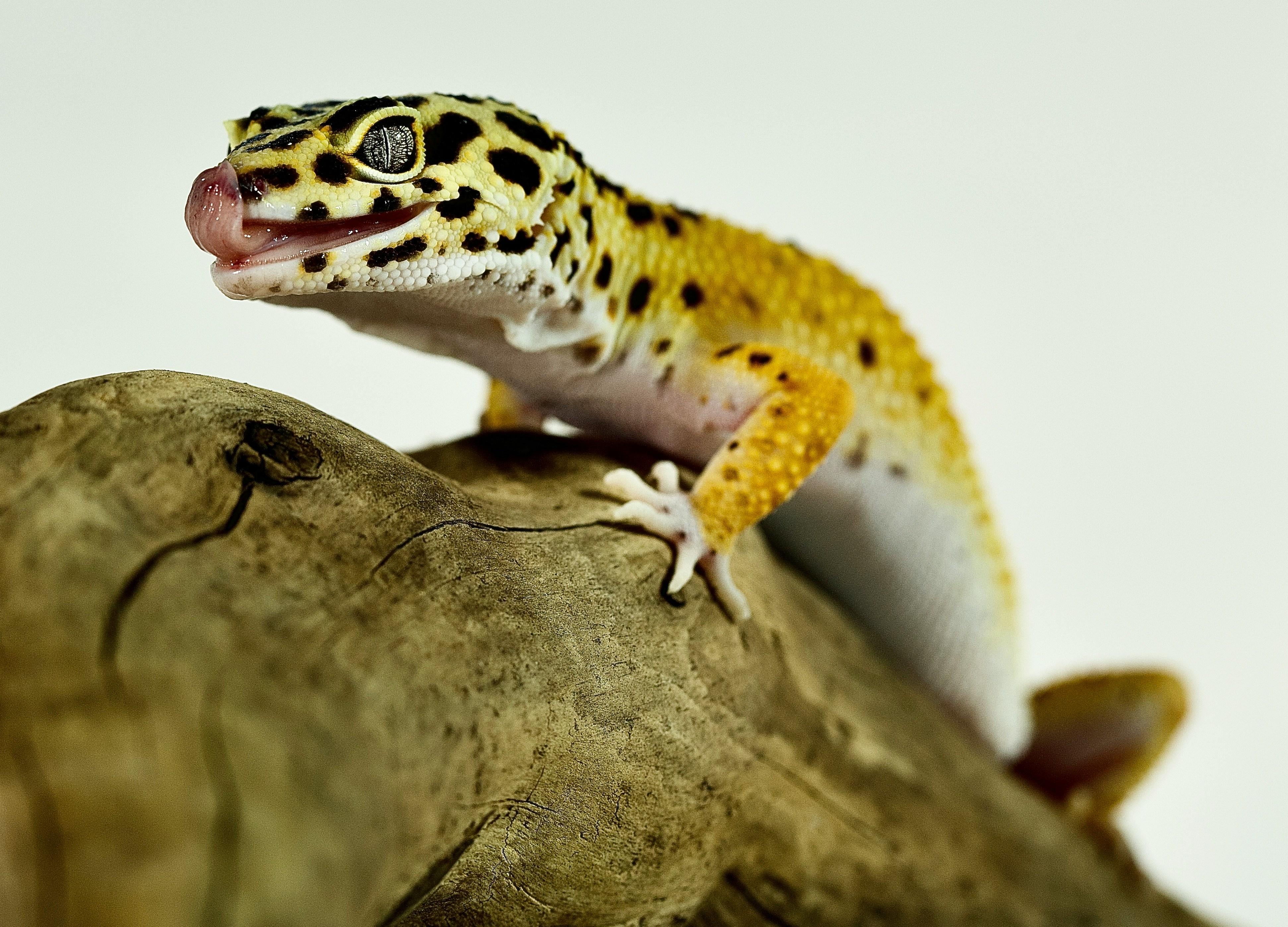
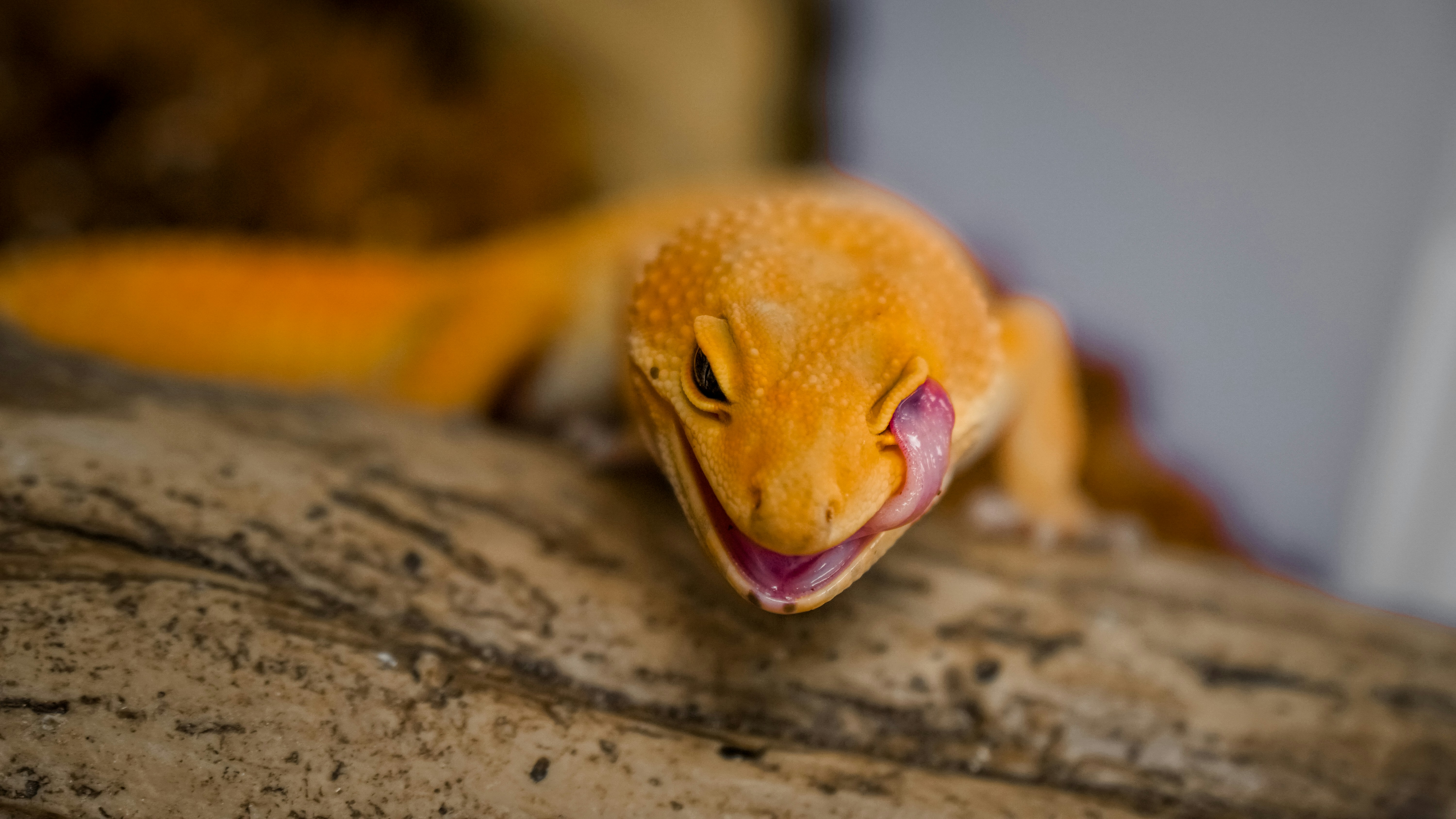
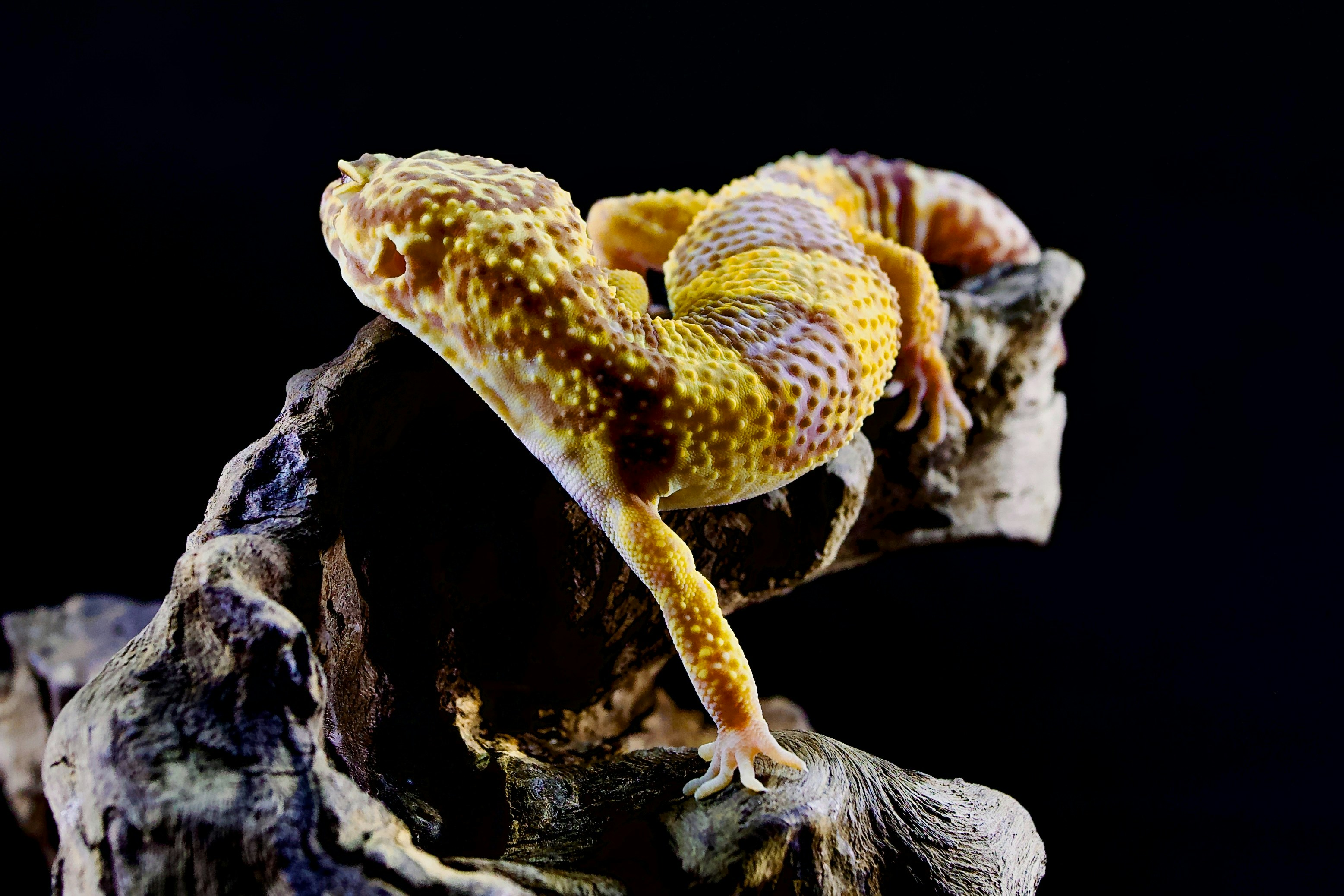
Small terrestrial gecko, robust and very popular in terrarium keeping.
Quick facts
- Approximate size 18–25 cm
- Average weight 45–80 g
- Life expectancy 10–15 years (in captivity)
- Activity Nocturnal
Scientific name: Eublepharis macularius
Small terrestrial gecko, robust and very popular in terrarium keeping.
What Leopard Gecko is like in its natural environment, with the climate, shelters and resources it needs.
The leopard gecko is a terrestrial reptile that inhabits arid and rocky areas of Pakistan, India and Iran. It shelters in burrows or crevices during the day to avoid extreme temperatures.
Occupies rocky terrain, dry steppes and margins of semi-agricultural areas, where it finds abundant insects and small invertebrates to feed on.
Mainly nocturnal. As temperatures drop, it comes out to explore and hunt. Has a relatively calm character and tends to avoid conflict, seeking shelter when threatened.
Unlike many other geckos, it has movable eyelids and is not arboreal. Can shed its tail as a defense mechanism, regenerating it later.
Currently considered a species of least concern, although certain populations may be affected by habitat loss and capture for the pet trade.
Striking details about Leopard Gecko that show its biology and ecology in a different way.
Aspects to consider if Leopard Gecko is kept in captivity at specialized centers.
Although it is a small animal, it requires space to explore and hide. Terrariums that are too small limit its natural behavior.
Needs a good temperature gradient with localized hot zone. Without proper thermoregulation, digestive and immune problems can occur.
Accepts some calm handling, but sudden or frequent movements increase stress. Should never be held by the tail due to autotomy risk.
General information aimed at professional facilities and authorized centers. Not intended to promote private keeping of wildlife without proper training and permits.
Horizontal terrariums with hides in hot and cold zones, safe substrate (compactable mixes or solid surfaces) and good ventilation. Lighting should respect its nocturnal activity.
Diet based on insects (crickets, cockroaches, larvae) properly gut-loaded and supplemented with calcium and vitamins. Clean water should always be available.
Important to monitor weight, tail appearance and shed quality. Check-ups with exotic veterinarians help detect early problems.
Indiscriminate breeding and sales without proper information can lead to abandonment or poor quality of life. Always prioritize ethical breeders and responsible adoptions.
This information has an educational purpose and does not replace the advice of specialized professionals or consultation of current wildlife and animal welfare legislation.