Lesser Flamingo

Scientific name: Phoeniconaias minor

Type: Bird Main biome: Rivers and Wetlands Difficulty: Alta

Gregarious bird that forms enormous flocks in saline wetlands where it filters microorganisms.

Quick facts

  • Approximate height 80–90 cm
  • Average weight 1.2–2 kg
  • Life expectancy 30–40 years (captivity)
  • Activity Diurnal, with strong crepuscular component
Lesser Flamingo
Lesser Flamingo

Basic information

  • 🏡 Home: associated with saline and alkaline lakes of Africa, with shallow waters and open margins.
  • 🍏 Food: feeds mainly on cyanobacteria and other microorganisms filtered with its specialized beak.
  • 👫 Sexual dimorphism: males somewhat larger and more robust than females; subtle differences at first glance.
  • 🐾 Predators: marabou storks, pelicans, jackals and other predators attack adults, chicks and eggs.

Life in the wild

What Lesser Flamingo is like in its natural environment, with the climate, shelters and resources it needs.

Species overview

The lesser flamingo is a key species of African saline lakes, where it forms enormous concentrations visible from great distances.

Natural habitat

Prefers shallow lakes with high concentrations of salts and microorganisms, areas exposed to sun with few wooded zones.

Behavior

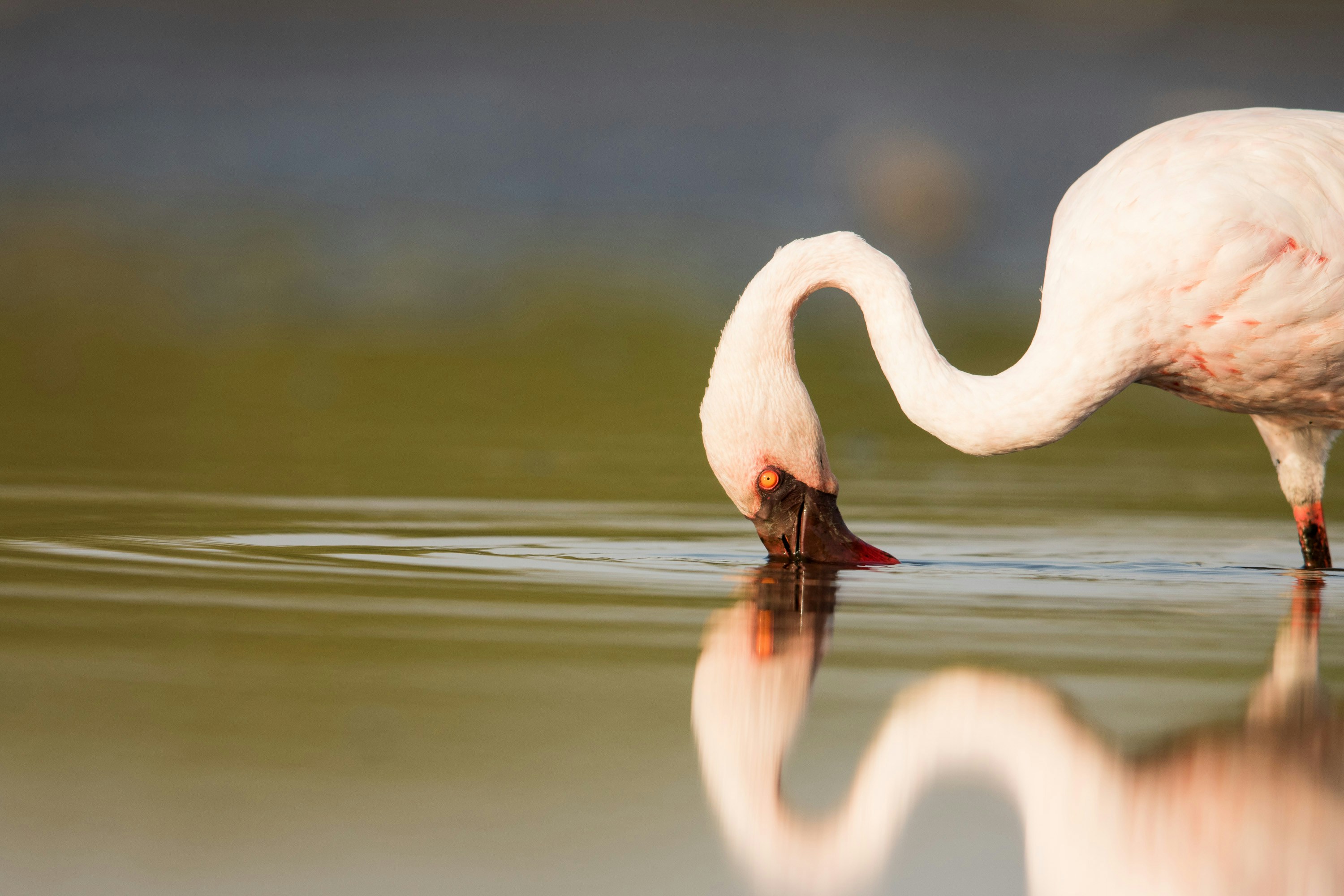
Very gregarious and spends much of the day feeding in groups, moving in shallow waters with inverted beak.

Special traits

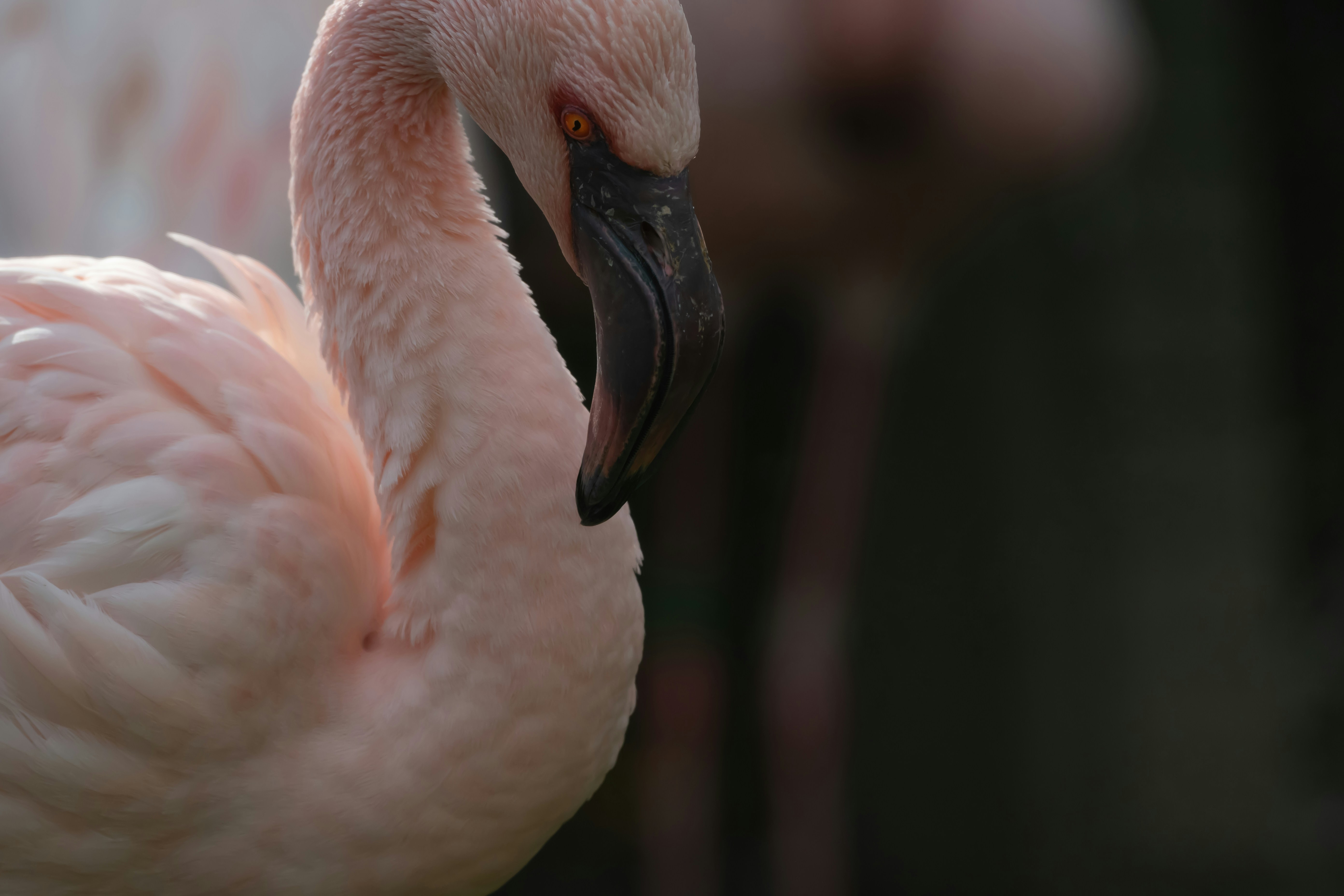
Its beak filters microscopic organisms in extreme environments. Its pink plumage reflects a diet rich in carotenoid pigments.

Conservation and threats

Threatened by pollution, mineral extraction, water diversion and human disturbance at breeding lakes.

Curiosities

Striking details about Lesser Flamingo that show its biology and ecology in a different way.

  • 🌍 Can concentrate in flocks of hundreds of thousands of individuals.
  • Its legs and beak are adapted to hypersaline waters incompatible for many other birds.
  • 🔎 Alterations in water quality quickly affect their populations.
  • 🧠 Breeding in large colonies makes it vulnerable to human disturbance.

Perfil de bienestar

Aspects to consider if Lesser Flamingo is kept in captivity at specialized centers.

Instalaciones y espacio Critical

In captivity requires extensive lagoons, with water of specific composition and sufficient space for group movement.

Luz, temperatura y ambiente Critical

Needs carefully managed water and ground conditions to avoid leg and plumage problems.

Manejo y estrés Very delicate

Handling should be collective and planned, minimizing frequent individual captures.

Lesser Flamingo in captivity

General information aimed at professional facilities and authorized centers. Not intended to promote private keeping of wildlife without proper training and permits.

⚠️ The capture and trade of birds like this species are regulated in many countries. It is essential to verify the legal origin of animals and prioritize responsible breeding programs and habitat conservation.

Instalaciones adecuadas

Enclosures replicate lagoons with islands and gentle shores, allowing natural feeding and group resting behaviors.

Alimentación en centros responsables

Diet includes specific pellets and supplements that mimic the nutritional quality of their wild diet.

Manejo y bienestar

Veterinary procedures are done with planning, using temporary enclosures to reduce capture stress.

Mensaje ético

Their keeping is especially linked to educational programs about wetlands and water quality.

Imagen ampliada