Magnificent Frigatebird

Scientific name: Fregata magnificens

Type: Bird Main biome: Marine Environment Difficulty: Alta

Expert glider that spends much of its time flying over tropical seas.

Quick facts

  • Approximate wingspan 2.1–2.4 m
  • Average weight 1–2 kg
  • Life expectancy 30 years (estimated)
  • Activity Mainly diurnal, very aerial
Magnificent Frigatebird

Basic information

  • 🏡 Home: associated with tropical and subtropical seas, nesting on islands and coasts with low vegetation.
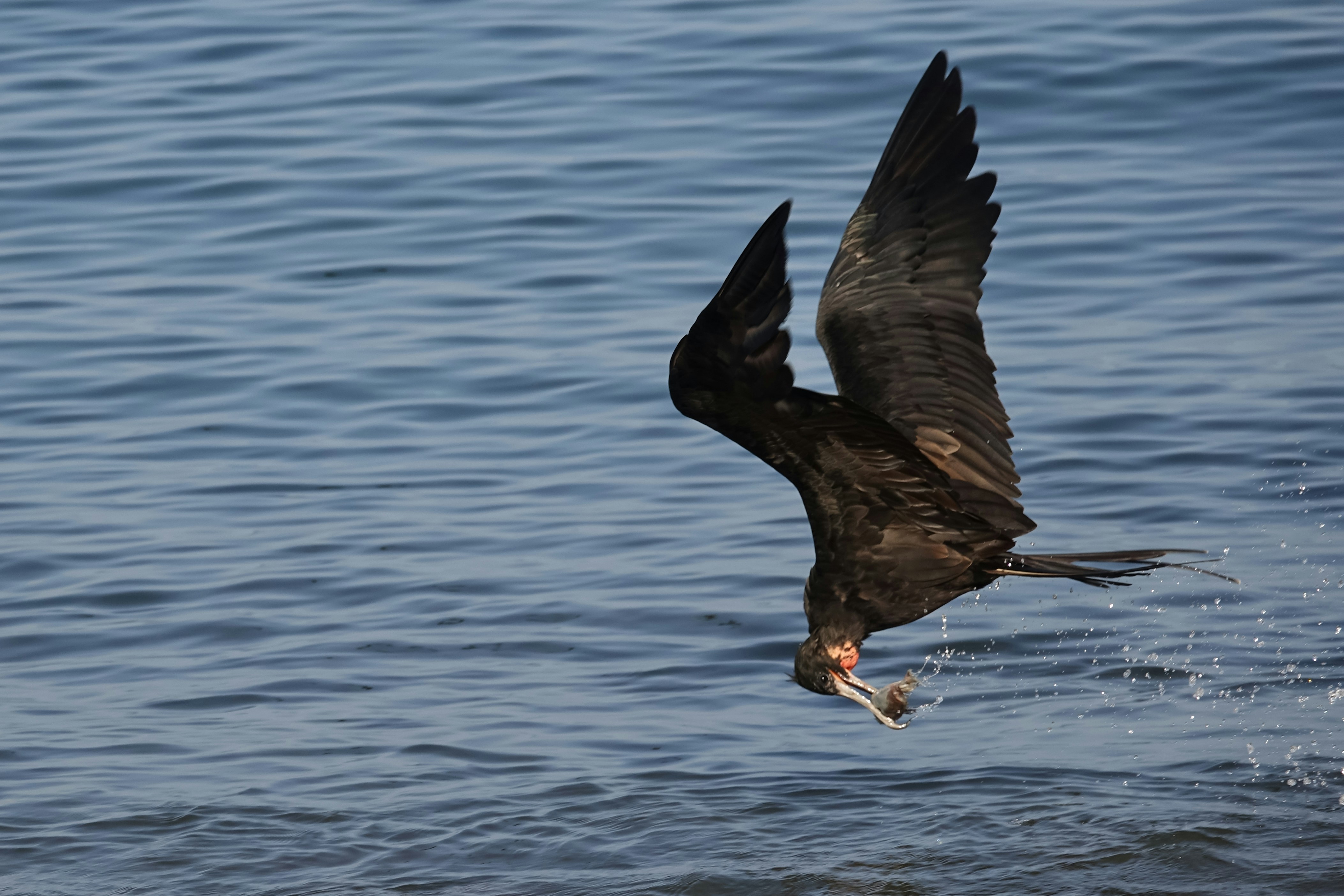
  • 🍏 Food: captures fish and cephalopods near the surface, and sometimes steals prey from other seabirds.
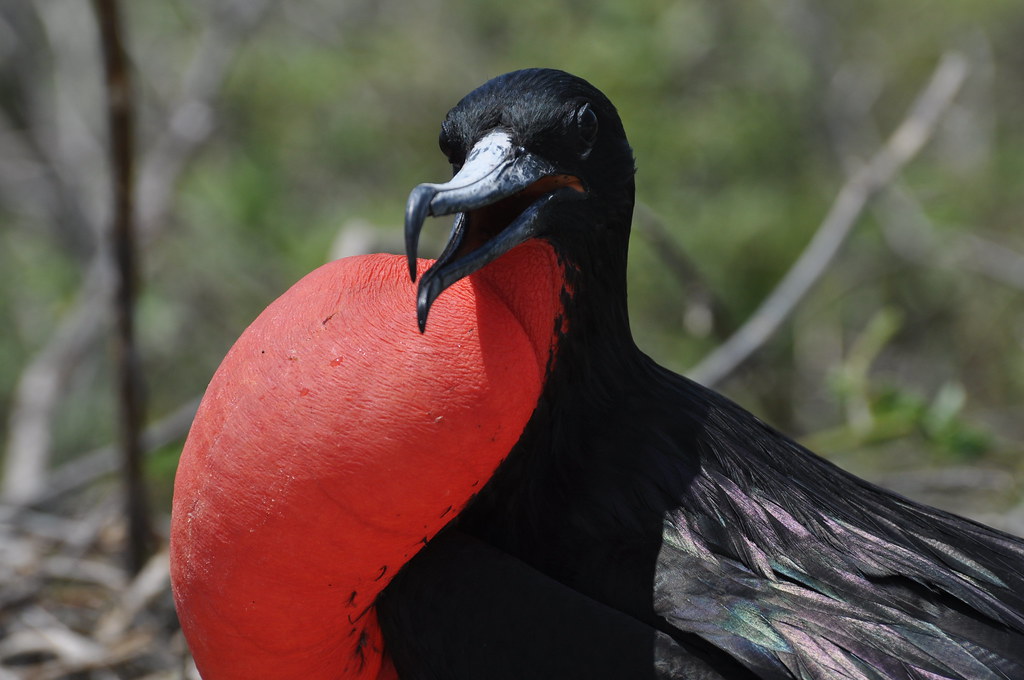
  • 👫 Sexual dimorphism: males with inflatable red gular sac; females larger, with white chest.
  • 🐾 Predators: eggs and chicks are vulnerable to gulls, rats and other predators introduced to islands.

Life in the wild

What Magnificent Frigatebird is like in its natural environment, with the climate, shelters and resources it needs.

Species overview

The magnificent frigatebird is a large seabird that dominates the skies over tropical seas with long-duration glides.

Natural habitat

Nests in colonies on islands and coasts, using shrubs and low trees, and spends most of its time over open ocean.

Behavior

Spends hours gliding barely flapping its wings, taking advantage of air currents. During breeding, males perform calls and displays with inflated gular sac.

Special traits

Its enormous wingspan and low weight allow extremely efficient flights. The intense red gular sac is one of the most striking features in the seabird world.

Conservation and threats

Disturbance of nesting colonies and presence of introduced predators on islands pose significant threats.

Curiosities

Striking details about Magnificent Frigatebird that show its biology and ecology in a different way.

  • 🌍 Has the largest wingspan relative to weight among seabirds.
  • Does not land on water, as its feathers become waterlogged easily.
  • 🔎 Males inflate their red gular sac in spectacular displays.
  • 🧠 Its life is closely tied to vast open ocean spaces.

Perfil de bienestar

Aspects to consider if Magnificent Frigatebird is kept in captivity at specialized centers.

Instalaciones y espacio Critical

In captivity would need gigantic aviaries and continuous visual access to large open spaces, something very difficult to provide.

Luz, temperatura y ambiente Critical

Requires diet based on quality fish and careful management to avoid health problems from lack of flight exercise.

Manejo y estrés Very delicate

Direct handling could cause intense stress and risk of wing and feather injuries.

Magnificent Frigatebird in captivity

General information aimed at professional facilities and authorized centers. Not intended to promote private keeping of wildlife without proper training and permits.

⚠️ The capture and trade of birds like this species are regulated in many countries. It is essential to verify the legal origin of animals and prioritize responsible breeding programs and habitat conservation.

Instalaciones adecuadas

Rarely kept in zoological facilities; its biology is closely tied to an aerial and marine life.

Alimentación en centros responsables

If injured individuals are cared for, they are usually temporary rehabilitation cases with release intention.

Manejo y bienestar

Protocols focus on minimizing time in captivity and restoring flight condition.

Mensaje ético

Long-term conservation involves protecting nesting colonies and marine food resources.

Imagen ampliada