Oscar Fish
Scientific name: Astronotus ocellatus
Robust fish that needs very large aquariums and carefully selected tankmates.
Quick facts
- Approximate size25–35 cm
- Average weight800–1,500 g
- Life expectancy10–15 years (captivity)
- ActivityDiurnal
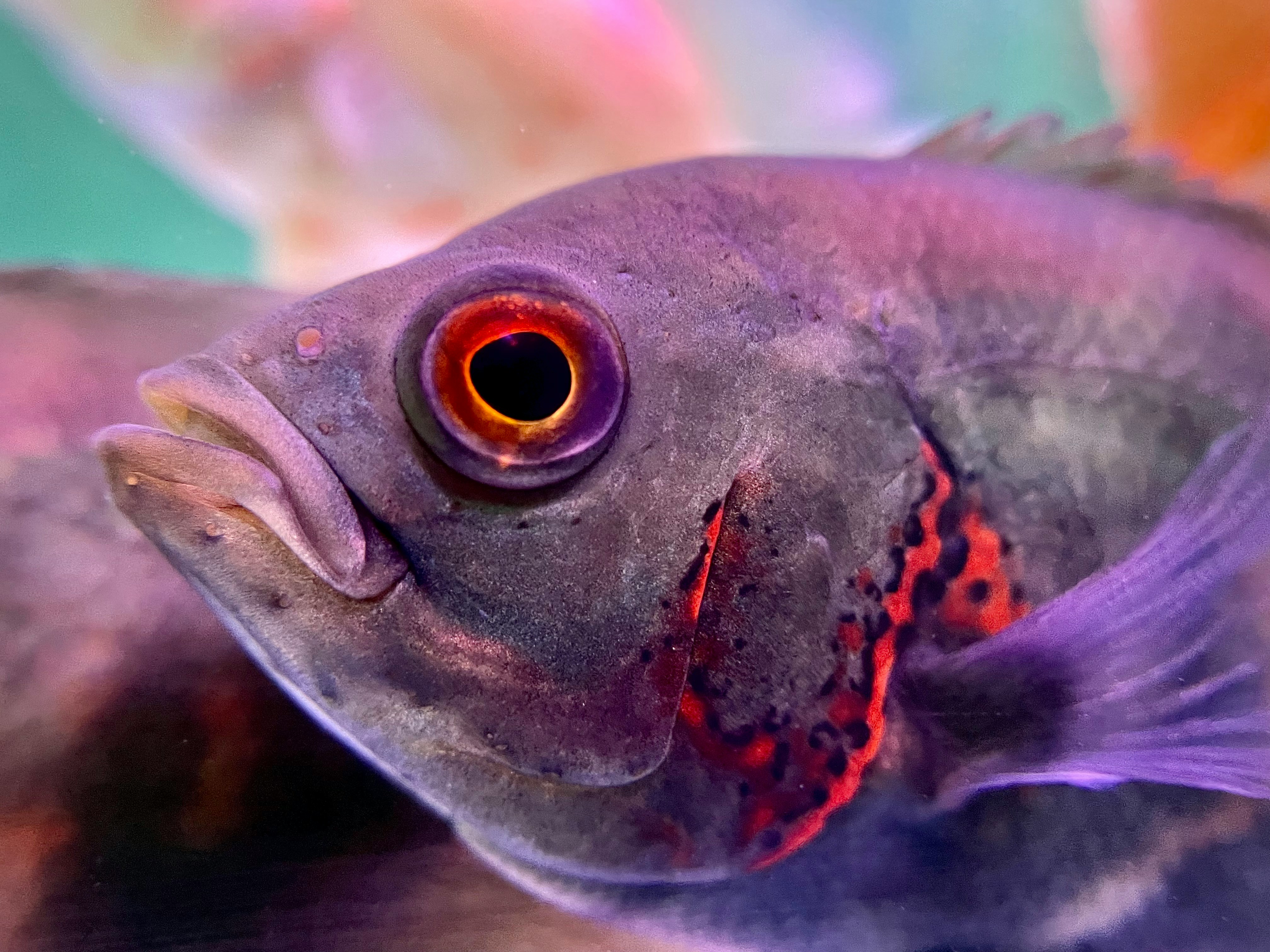
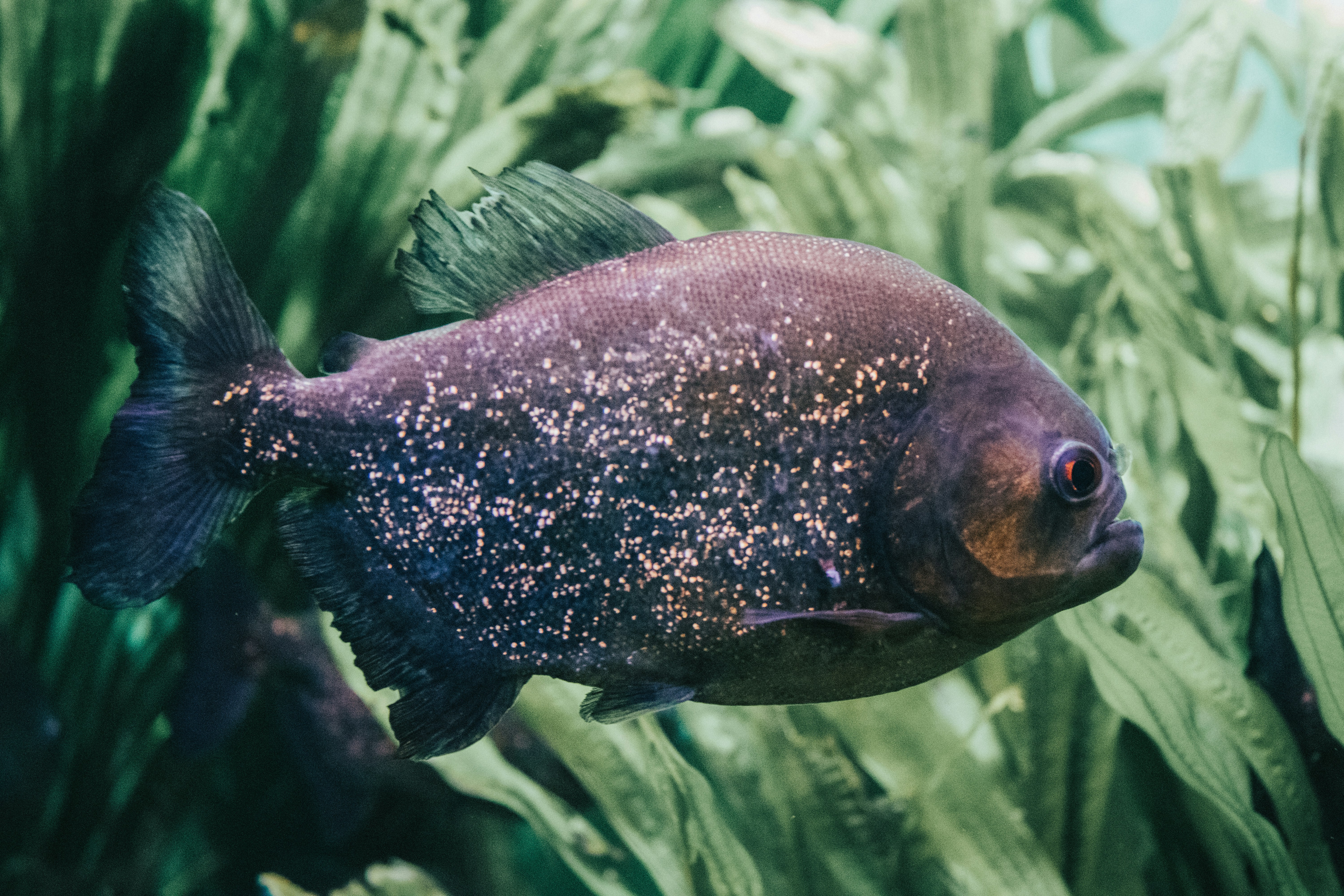
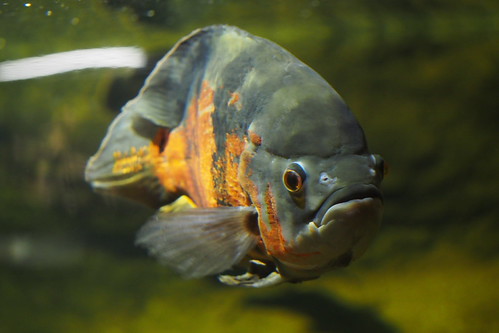
Scientific name: Astronotus ocellatus
Robust fish that needs very large aquariums and carefully selected tankmates.
How this species lives in its natural environment, with the waters, shelters and resources it needs.
The oscar is a large South American cichlid that combines intelligence with very high space and filtration needs.
In nature it occupies temperate and turbid waters, with roots and logs that offer refuge and hunting areas.
It is territorial and can be aggressive with other fish, especially in cramped spaces.
Its ability to interact with caregivers makes many people see it almost as an "aquatic dog".
In its native area it is considered relatively common, although habitat degradation is always a potential threat.
Striking details about this species that help better understand its biology and role in aquatic ecosystems.
Summary of the most critical points if this species is kept in aquariums, ponds or specialized facilities.
It needs very large aquariums (minimum 200 liters for a single specimen) with powerful filtration.
It produces a lot of waste; requires powerful filtration and frequent water changes.
It can become aggressive with tankmates, especially in cramped spaces.
General information aimed at professional facilities, public aquariums and educational projects. It does not intend to promote capture or impulsive keeping of aquatic fauna.
Only for experienced aquarists with large aquariums and carefully selected companions.
The diet includes high-protein food, whole fish, and quality frozen food.
It is important to provide refuges and decoration that it can reorganize, as it is part of its natural behavior.
In education it can be used to talk about intelligence in fish, space needs, and responsibility in aquaristics.
Many aquatic species suffer from massive captures, uncontrolled trade and irresponsible releases. The priority should always be to protect rivers, lakes and seas, reduce pollution and consume seafood responsibly.