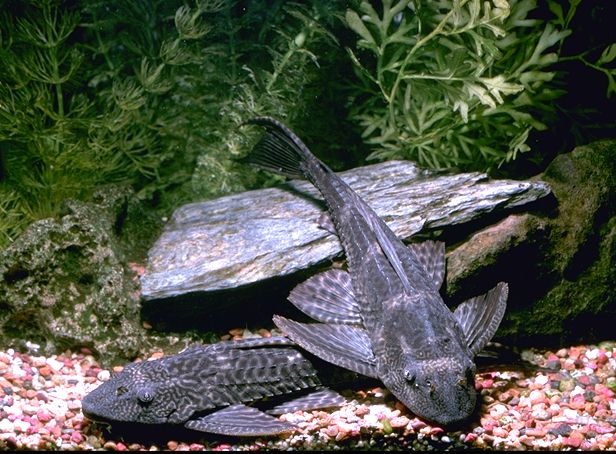
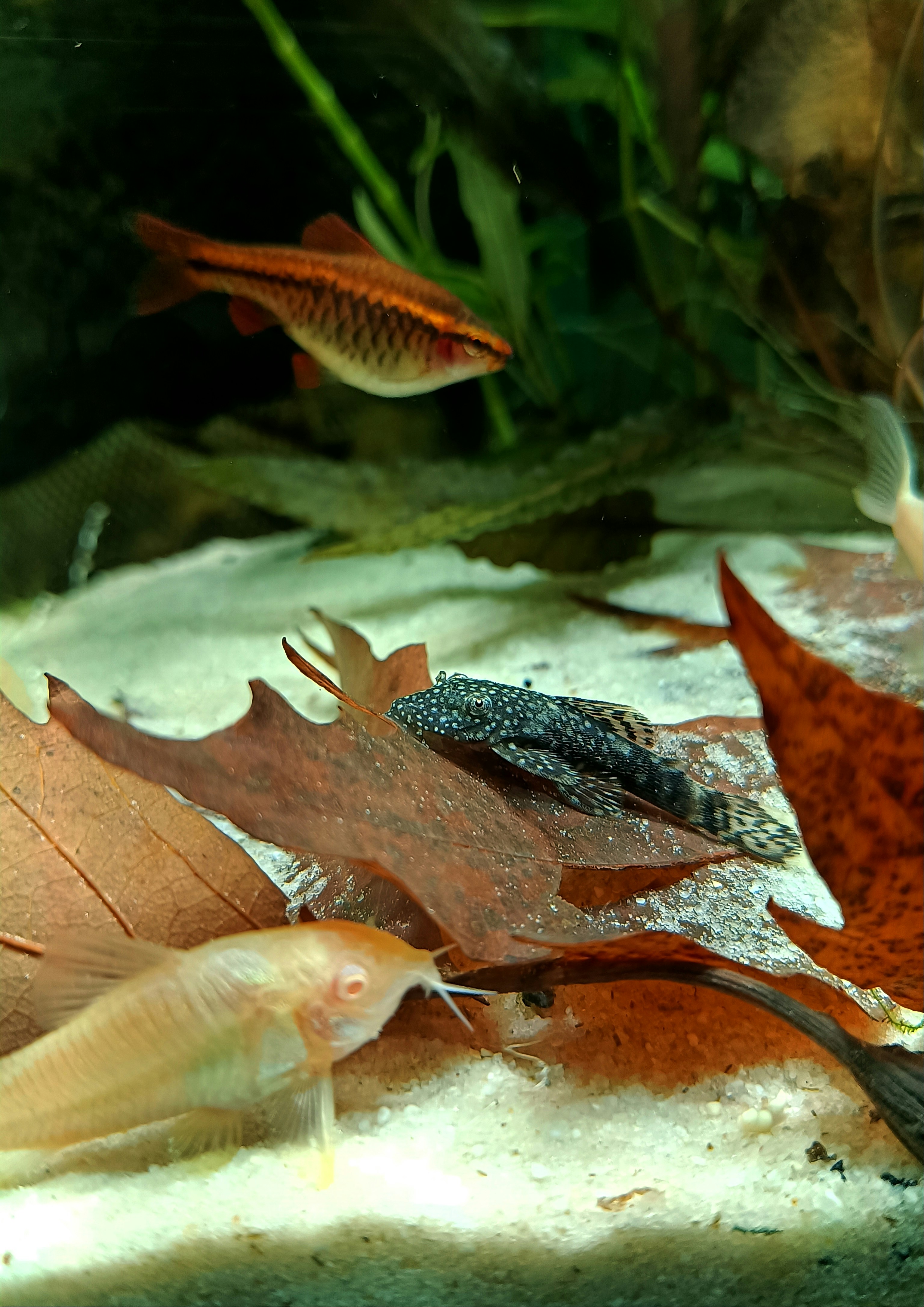
Pleco (Algae Eater)

Scientific name: Ancistrus sp. y otros loricáridos pequeños

Type: Fish Main biome: Rivers and Wetlands Difficulty: Media

Nocturnal bottom dwellers that need driftwood, hiding spots and more space than usually assumed.

Quick facts

  • Approximate size10–15 cm in small species (many "common plecos" exceed 30–40 cm)
  • Average weight30–150 g (depending on species)
  • Life expectancy8–15 years (captivity)
  • ActivityMainly nocturnal
Pleco (Algae Eater)
Pleco (Algae Eater)
Pleco (Algae Eater)

Basic information

  • 🏡Habitat: South American rivers and streams with roots, logs, and rocks where to cling.
  • 🍏Diet: algae, biofilm, soft wood, and food scraps; in aquariums vegetables and specific pellets are offered.
  • 👫Sexual dimorphism: in Ancistrus males usually have more spines or "whiskers" on the head.
  • 🐾Predators: larger fish and other animals that hunt on the bottom; juveniles are very vulnerable.

Life in the wild

How this species lives in its natural environment, with the waters, shelters and resources it needs.

Species overview

Plecos and other loricariids are typical bottom inhabitants in South American rivers and tropical aquariums.

Natural habitat

They live in waters with variable current, with abundant refuges and hard surfaces where to scrape algae and biofilm.

Behavior

They are mainly crepuscular and nocturnal, leaving the refuge to feed when light decreases.

Special features

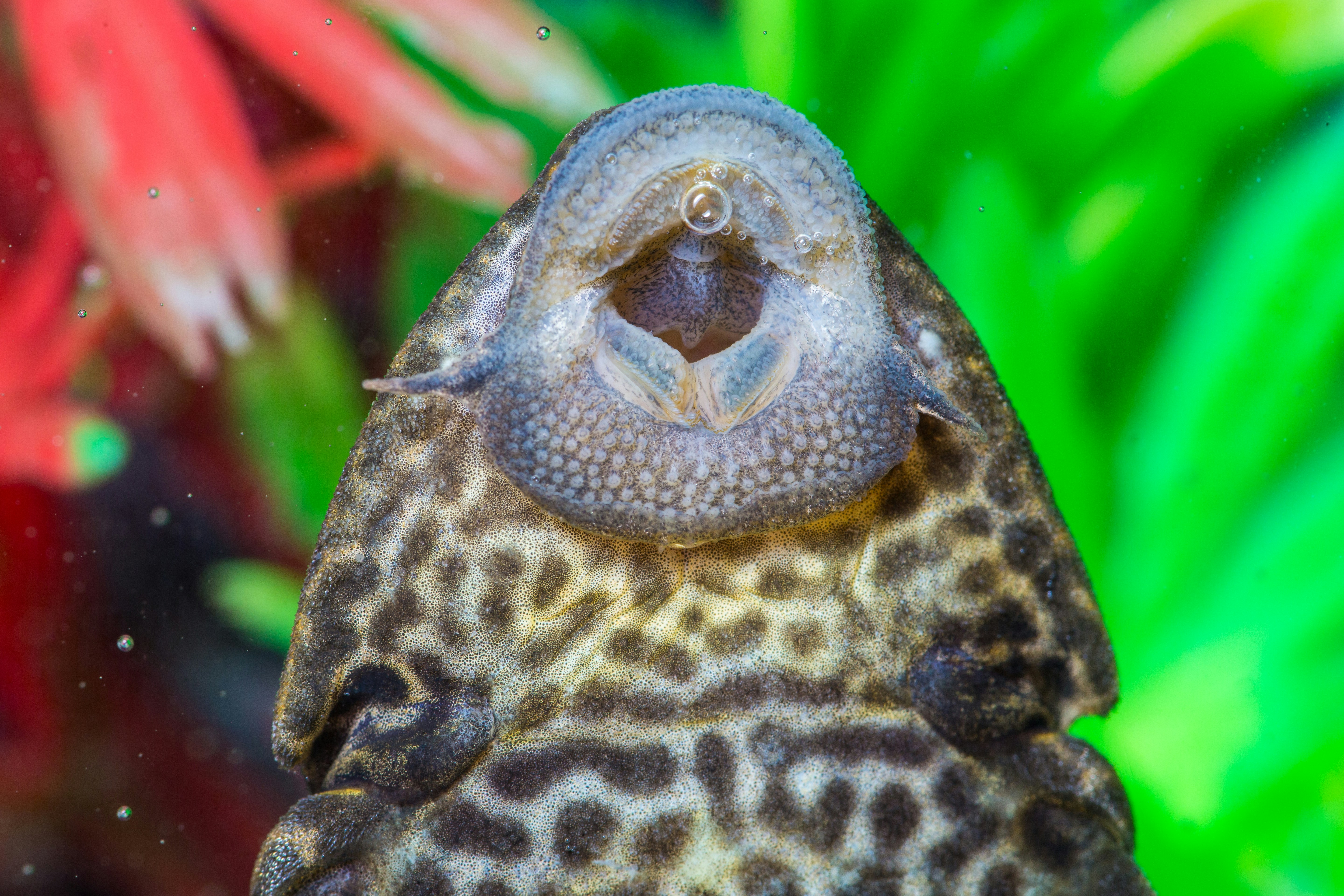
Their armored body and specialized mouth allow them to exploit resources less accessible to other fish.

Conservation and threats

Some species are threatened by deforestation and dam construction that alter rivers.

Curiosities

Striking details about this species that help better understand its biology and role in aquatic ecosystems.

  • 🌊Many buyers are not aware of the real adult size of some species sold as "common pleco".
  • They spend much of their time attached to surfaces thanks to their sucker-shaped mouth.
  • 🔎Some species need wood in their diet for good digestive function.
  • 🧭They do not replace aquarium cleaning, they only help consume part of the algae and debris.

Welfare profile

Summary of the most critical points if this species is kept in aquariums, ponds or specialized facilities.

Space and facilitiesHigh

Many species need large aquariums with driftwood, refuges, and surfaces where to scrape.

Water quality and parametersMedium

They require clean and well-oxygenated water; they are sensitive to waste accumulation.

Handling and stressMedium

They are generally peaceful fish, but can become territorial in cramped spaces.

Pleco (Algae Eater) in captivity

General information aimed at professional facilities, public aquariums and educational projects. It does not intend to promote capture or impulsive keeping of aquatic fauna.

⚠️ Before keeping fish like this species, it is essential to review local regulations, ensure adequate facilities and minimize impact on wild populations.

Suitable facilities

Suitable for large aquariums with driftwood, refuges, and compatible companions.

Feeding in responsible centers

The diet should include bottom pellets, vegetables (zucchini, cucumber), and, for some species, wood.

Handling and welfare

It is important to research the real adult size of the species before acquiring it.

Ethical message

In education it can be used to talk about bottom fish, dietary specialization, and real adult size.

Imagen ampliada