Pygmy Slow Loris

Scientific name: Xanthonycticebus pygmaeus

Type: Mammal Main biome: Tropical Jungle Difficulty: Alta

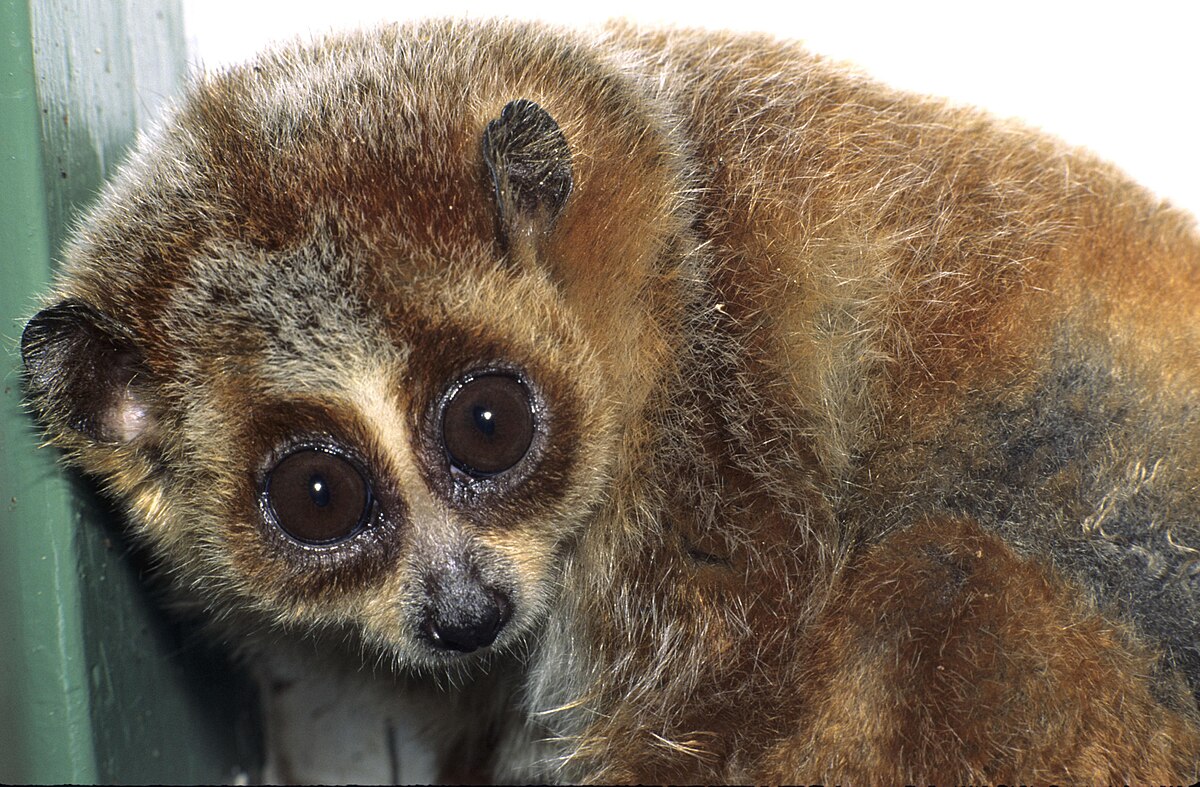
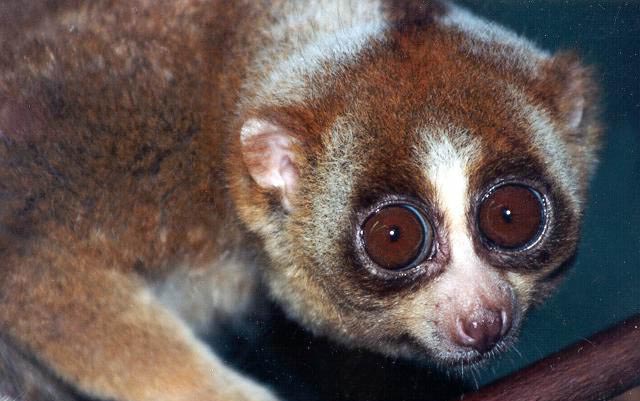
Small nocturnal primate with slow movements and large eyes, native to Southeast Asian forests.

Quick facts

  • Approximate size18–21 cm
  • Average weight250–450 g
  • Life expectancy20 years
  • ActivityNocturnal
Pygmy Slow Loris
Pygmy Slow Loris
Pygmy Slow Loris

Basic information

  • 🏡Home: evergreen forests, bamboo and dense scrubland in Southeast Asia.
  • 🍏Food: sap, nectar, insects and small vertebrates.
  • 👫Sexual dimorphism: slight, males and females similar in size.
  • 🐾Predators: snakes, nocturnal raptors and carnivores; main current threat is humans.

Life in the wild

What this species is like in its natural environment.

Species overview

The pygmy slow loris is a highly specialized and sensitive nocturnal primate, now endangered due to trafficking and habitat loss.

Natural habitat

Uses the mid and lower forest canopy, moving slowly among branches and lianas while foraging.

Behavior

Has slow and cautious movements, spending much of the night foraging silently.

Special traits

Its combination of venom, huge night-adapted eyes and stealthy movements make it unique among primates.

Conservation and threats

Listed as endangered; forest destruction and capture for illegal trade are main threats.

Curiosities

Striking details about this species.

  • 🌍Has brachial glands producing toxins mixed with saliva.
  • Its bite can cause severe reactions in humans.
  • 🔎One of the primates most affected by illegal "exotic pet" trade.
  • 🧠Cruel tooth removal has been documented in illegal markets.

Welfare profile

Aspects to consider in captivity.

Facilities and spaceCritical

In captivity needs dark and quiet enclosures with abundant branches and hiding spots.

Light, temperature and environmentCritical

Requires varied diet including nectar, sap and live prey, difficult to replicate correctly.

Handling and stressVery delicate

Direct handling is especially stressful and dangerous; not for exhibition or contact.

Pygmy Slow Loris in captivity

Information for professional facilities.

⚠️ Capture and trade of mammals like this species are regulated in many countries.

Suitable facilities

Maintenance is not suitable in general collections and should be limited to highly controlled conservation projects.

Feeding in responsible centers

  • Facilities must respect nocturnal rhythms.
  • Minimize light and noise exposure.
  • Diet of nectar, sap and live prey.

Handling and welfare

Education should focus on discouraging pet keeping and reporting illegal trade.

Ethical message

Priority is protecting forests where it lives and cutting wildlife trafficking chains.

Imagen ampliada