Rhinoceros Beetle

Scientific name: Oryctes nasicornis

Type: Insect Main biome: Temperate Forest Difficulty: Media

Robust coleopteran whose larval phase helps recycle organic matter in logs and stumps.

Quick facts

  • Approximate size2.5–4 cm
  • Average weight5–15 g
  • Life expectancySeveral years as larva; few months as adult
  • ActivityNocturnal
Rhinoceros Beetle
Rhinoceros Beetle
Rhinoceros Beetle

Basic information

  • 🏡Habitat: forests, parks, and gardens with old logs, stumps, and piles of decomposing plant matter.
  • 🍏Diet: larvae feed on wood and plant remains; adults usually feed little.
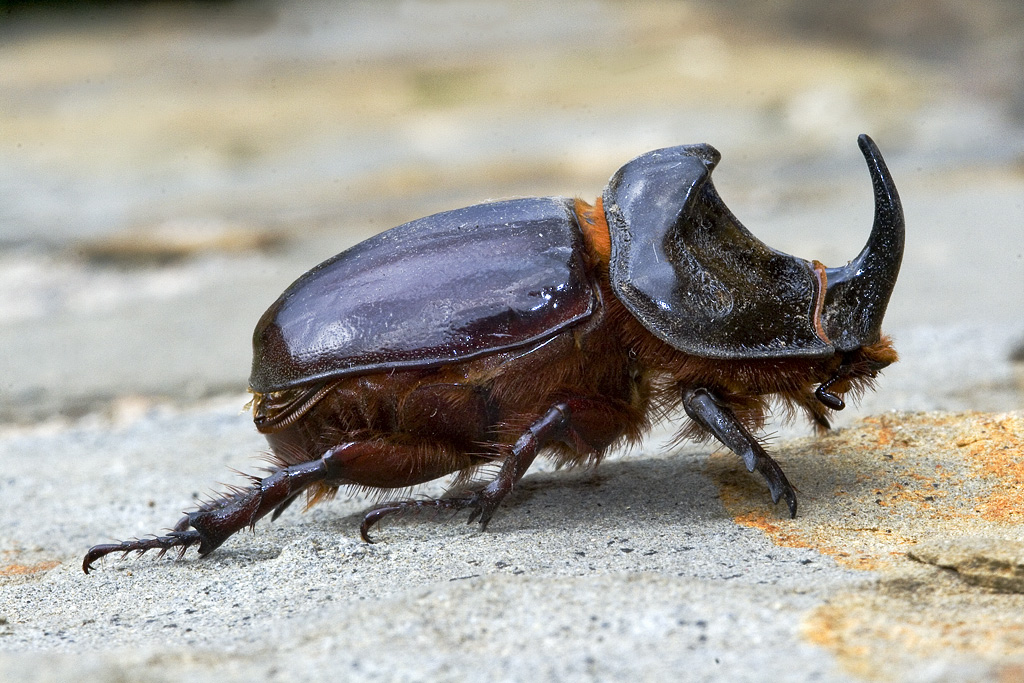
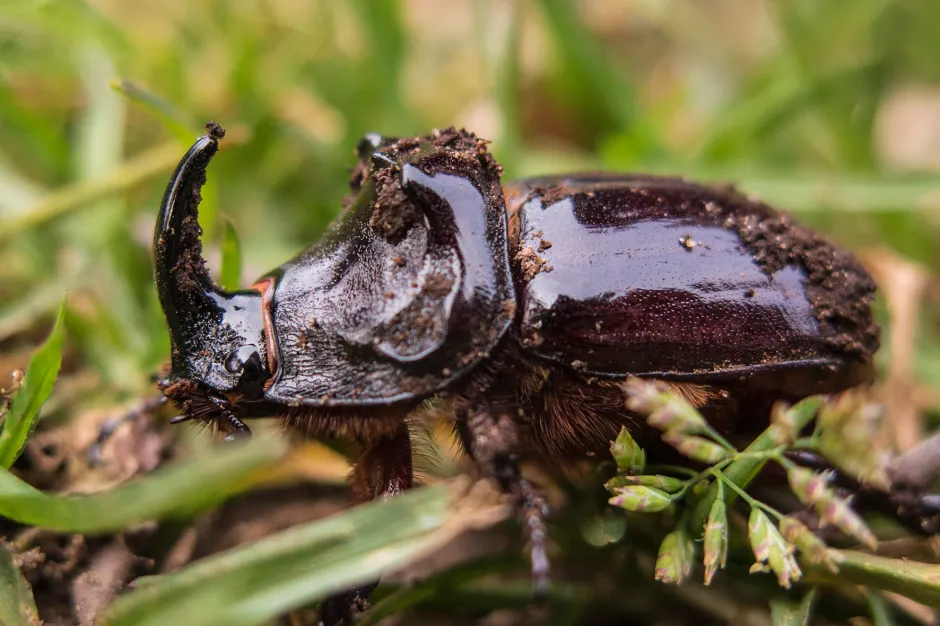
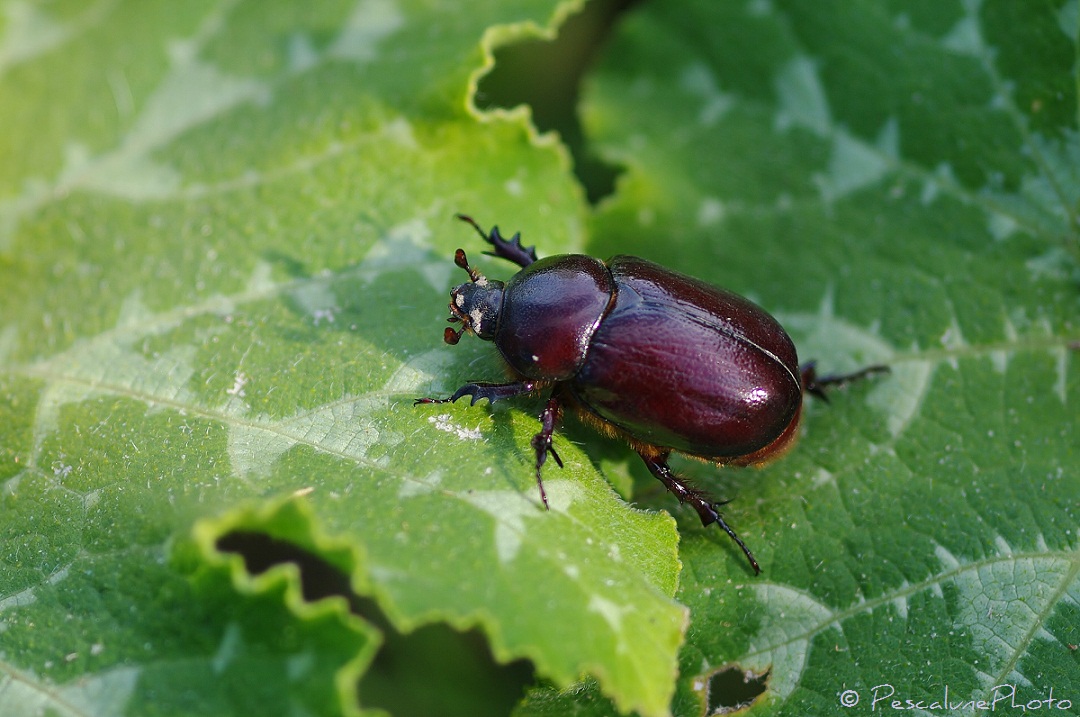
  • 👫Sexual dimorphism: males with very developed cephalic horn; females with reduced or absent horn.
  • 🐾Predators: birds, small mammals, and other animals that dig in decomposing wood.

Life in the wild

How this species lives in its natural environment, with the climate, shelters and resources it needs.

Species overview

The rhinoceros beetle is a charismatic inhabitant of forests and parks with dead wood.

Natural habitat

It depends on logs, stumps, and other semi-rotted wood remains where its larvae develop.

Behavior

Adults fly at night and concentrate in areas with resources for reproduction.

Special features

Its horn and relative strength have attracted the attention of naturalists and the general public.

Conservation and threats

Systematic removal of dead wood can reduce its populations; nature-close forest management favors them.

Curiosities

Striking details about this species that show its biology and ecology in a different way.

  • 🌿Despite its intimidating appearance, it is not dangerous to people.
  • Larvae can reach surprising sizes, looking like large "worms".
  • 🔎They help decompose dead wood and other plant remains.
  • 🧬It is a classic example of sexual selection linked to horn size.

Welfare profile

Aspects to consider if this species is kept in captivity in specialized centers.

Space and facilitiesMedium

In captivity it needs deep substrates of decomposing plant matter for larvae.

Environmental conditionsMedium

It is important to avoid prolonged exposure to excessive heat or desiccation.

Handling and stressMedium

Frequent handling of larvae and adults can cause them stress and physical damage.

Rhinoceros Beetle in captivity

General information aimed at professional facilities and authorized centers.

⚠️ Before keeping insects like this species, it is important to consult local regulations and always consider whether it is really necessary to remove them from their natural environment.

Suitable facilities

It is sometimes bred as an entomological curiosity, but it should always be done responsibly.

Feeding in responsible centers

Terrariums should mimic logs and decomposing substrates, not simple sterile soil.

Handling and welfare

Education can focus on the importance of dead wood and nutrient recycling in forests.

Ethical message

Specimens should never be released in places outside their natural range.

Imagen ampliada