Silkworm Moth

Scientific name: Bombyx mori

Type: Insect Main biome: Temperate Forest Difficulty: Media

Insect completely dependent on humans, unable to survive long in the wild.

Quick facts

  • Wingspan3–5 cm
  • Average weightVery low
  • Life expectancyWeeks as adult; complete cycle ~1–2 months
  • ActivityMainly nocturnal
Silkworm Moth
Silkworm Moth
Silkworm Moth

Basic information

  • 🏡Habitat: breeding facilities and small domestic projects; caterpillars feed on mulberry leaves.
  • 🍏Diet: caterpillars eat exclusively mulberry leaves; adults do not feed.
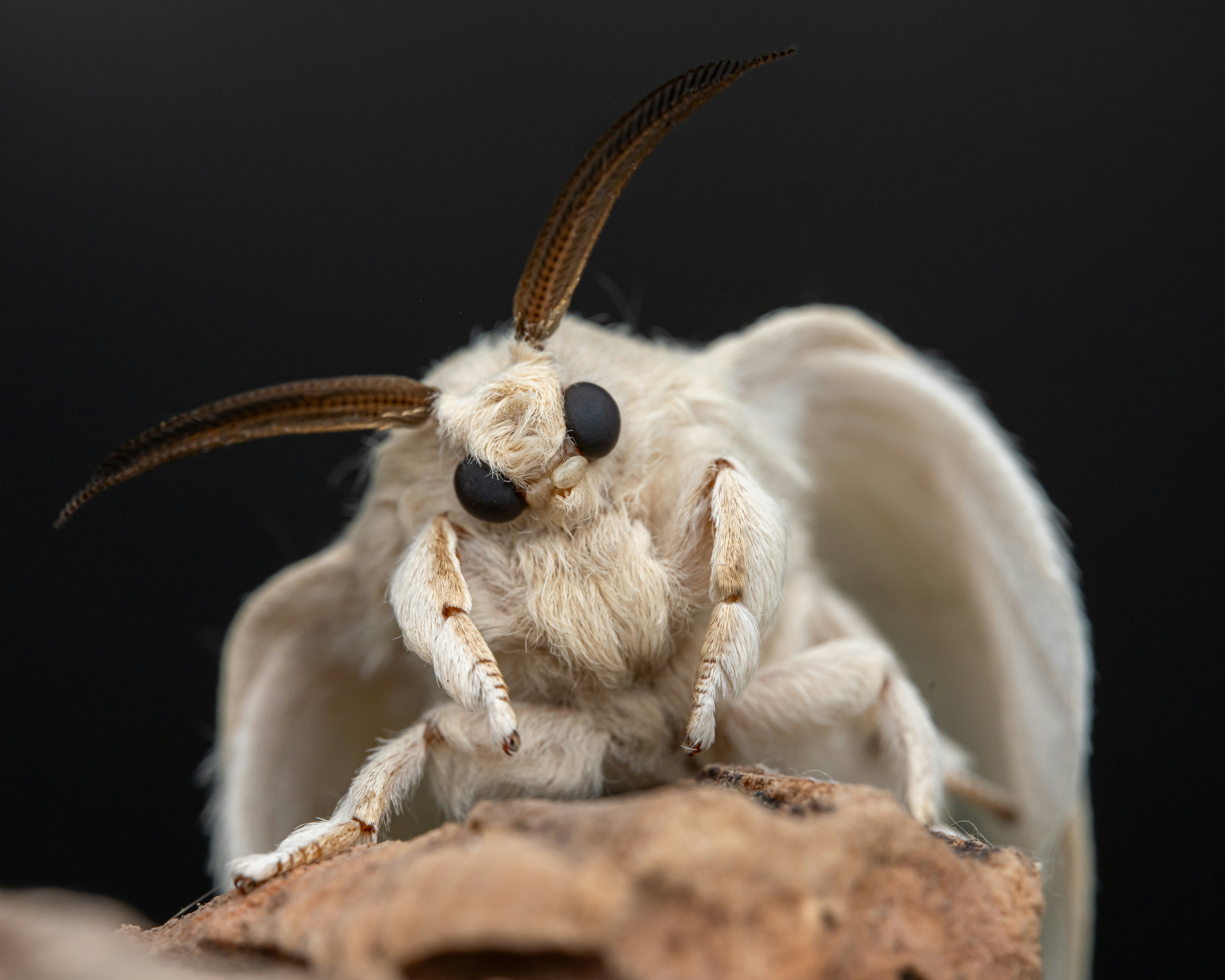
  • 👫Sexual dimorphism: males with more developed feathery antennae and somewhat smaller; females larger and bulging with eggs.
  • 🐾Predators: in captivity they are controlled; in the wild they would be prey to birds, spiders, and other insects.

Life in the wild

How this species lives in its natural environment, with the climate, shelters and resources it needs.

Species overview

The silkworm moth is one of the clearest examples of an insect domesticated by humans.

Natural habitat

In practice it lives in boxes and trays where fresh mulberry leaves are supplied periodically.

Behavior

Caterpillars eat almost constantly until forming the cocoon; adults only dedicate themselves to reproduction.

Special features

Its domestication has made it totally dependent on humans to perpetuate itself.

Conservation and threats

There is no conservation concern for domestic varieties; it is interesting to conserve their wild relatives.

Curiosities

Striking details about this species that show its biology and ecology in a different way.

  • 🌿It has been key in the economic and cultural history of many Asian countries.
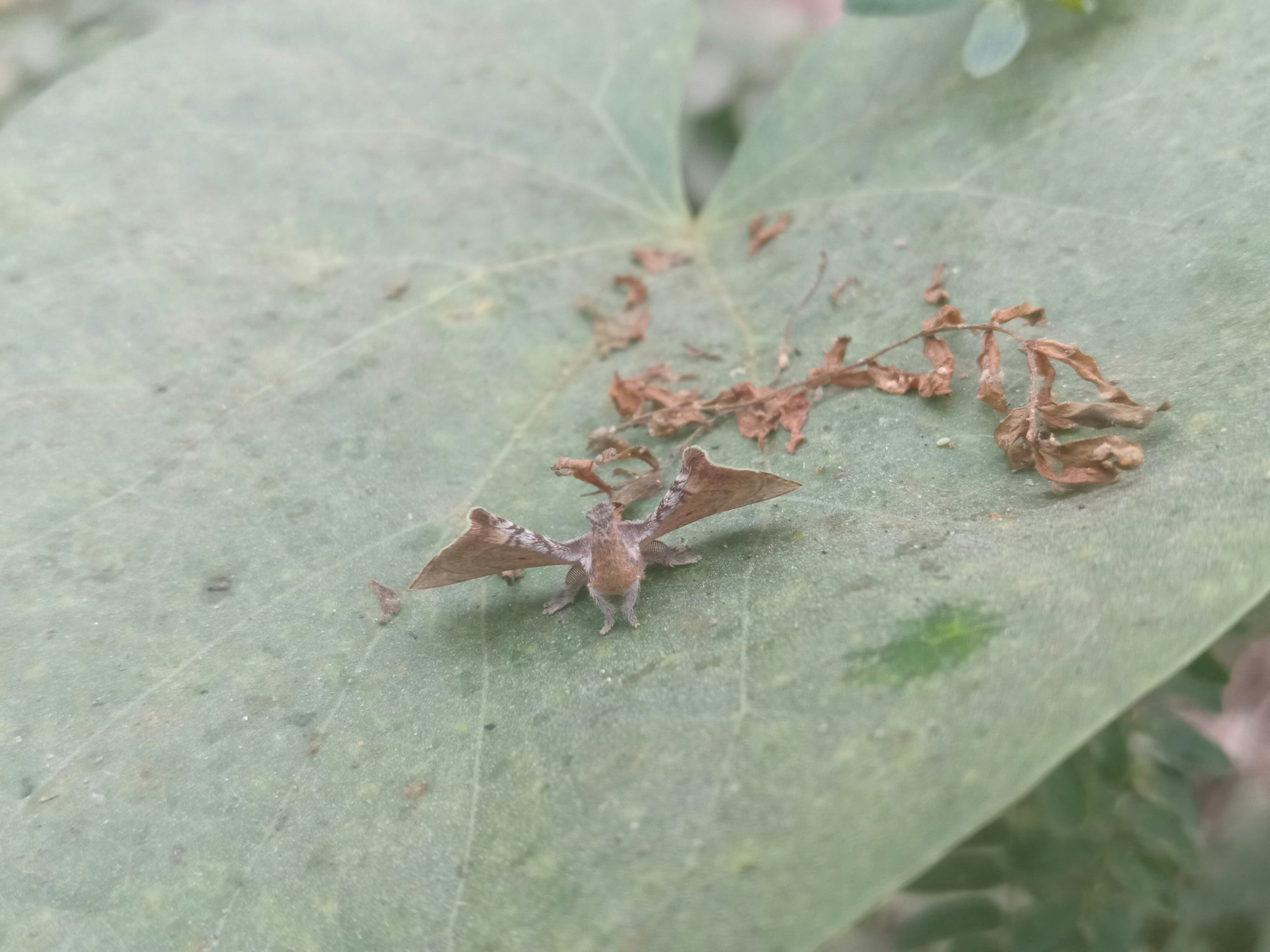
  • Modern varieties have lost the ability to fly well.
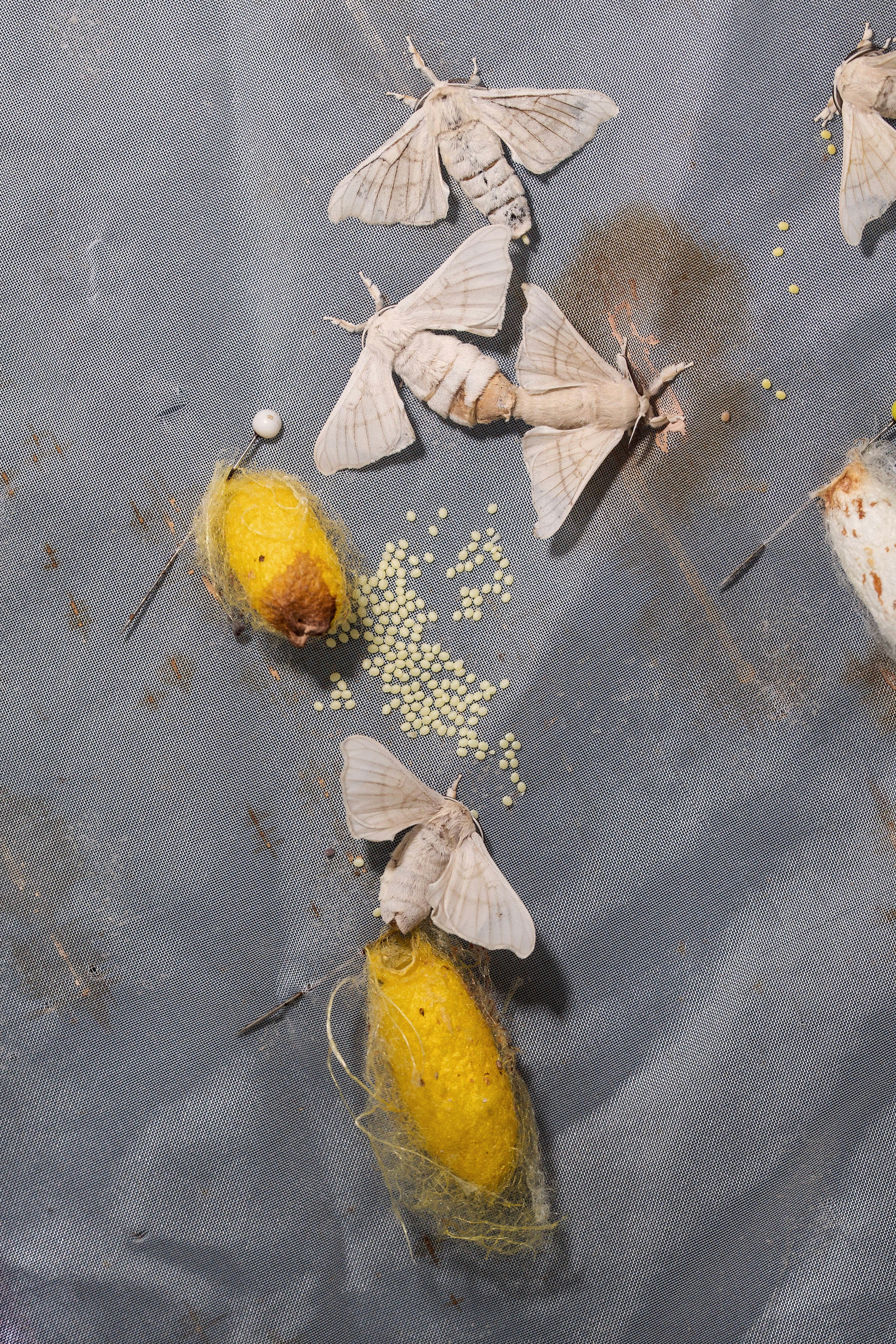
  • 🔎Each cocoon can produce a silk thread hundreds of meters long.
  • 🧬It is often used as an educational model to show complete metamorphosis.

Welfare profile

Aspects to consider if this species is kept in captivity in specialized centers.

Space and facilitiesMedium

In breeding it is important to offer fresh leaves and avoid overcrowding that favors diseases.

Environmental conditionsMedium

Temperature and humidity conditions must be kept stable.

Handling and stressLow

Rough handling of cocoons and caterpillars can easily damage them.

Silkworm Moth in captivity

General information aimed at professional facilities and authorized centers.

⚠️ Before keeping insects like this species, it is important to consult local regulations and always consider whether it is really necessary to remove them from their natural environment.

Suitable facilities

Frequent in school projects and workshops on silk and metamorphosis.

Feeding in responsible centers

It allows showing the entire life cycle in a few weeks.

Handling and welfare

It should be treated with respect, even if cocoons are intended for silk production or study.

Ethical message

It is a good starting point for talking about animal domestication beyond mammals and birds.

Imagen ampliada