Southern Cassowary

Scientific name: Casuarius casuarius

Type: Bird Main biome: Tropical Jungle Difficulty: Alta

Large frugivore of the undergrowth that disperses seeds of many trees in humid tropical forests.

Quick facts

  • Approximate height 1.5–1.8 m
  • Average weight 30–60 kg
  • Life expectancy 30–40 years (captivity)
  • Activity Diurnal, most active in cool hours
Southern Cassowary
Southern Cassowary
Southern Cassowary

Basic information

  • 🏡 Home: inhabits tropical rainforests and humid forests, moving through dense undergrowth.
  • 🍏 Food: feeds on a wide variety of fallen fruits, fungi and small animals.
  • 👫 Sexual dimorphism: females are usually larger and more robust than males, with more vivid facial colors.
  • 🐾 Predators: adults have almost no natural predators; eggs and chicks may fall prey to wild dogs, pigs, reptiles and humans.

Life in the wild

What Southern Cassowary is like in its natural environment, with the climate, shelters and resources it needs.

Species overview

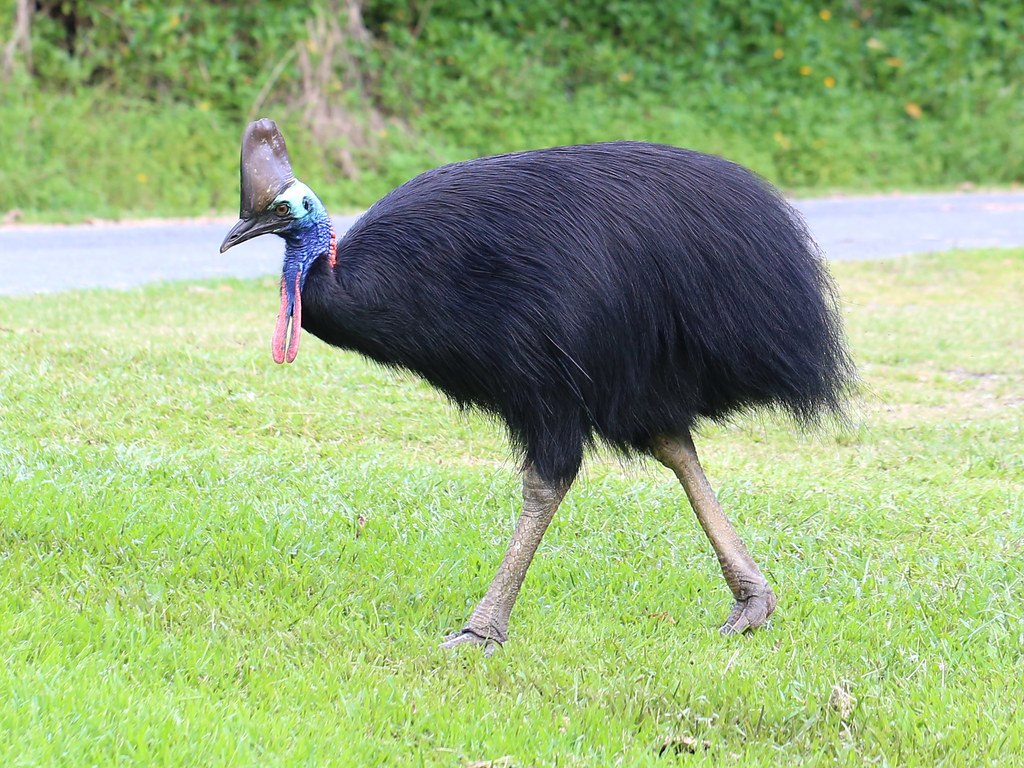
The southern cassowary is one of the largest birds in the world and a key component of Australian and New Guinea tropical forests.

Natural habitat

Prefers dense rainforests with abundant fruit, though may approach human-modified areas in search of food.

Behavior

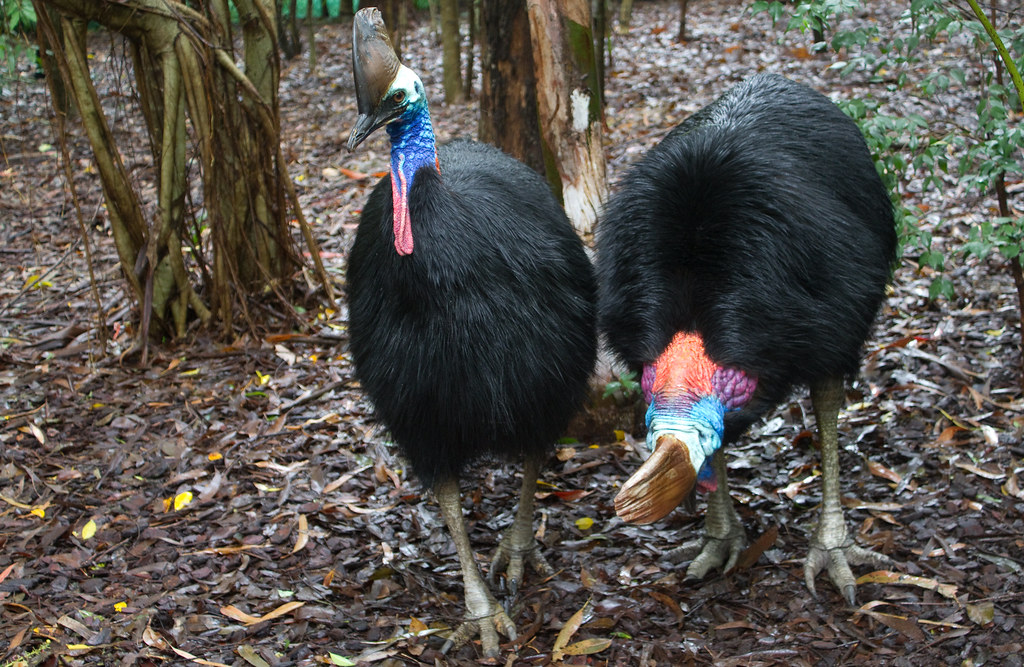
Generally solitary and secretive, moves with firm steps through the undergrowth. Can become aggressive if it perceives a nearby threat.

Special traits

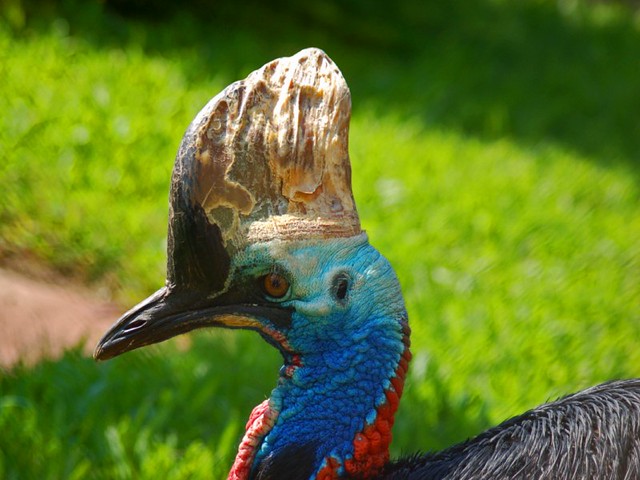
Its bony casque, colorful neck and powerful legs make it unmistakable. Its movements disperse seeds over great distances.

Conservation and threats

Threatened by habitat loss, vehicle strikes, dog attacks and conflicts with people. Protection of forest corridors is essential.

Curiosities

Striking details about Southern Cassowary that show its biology and ecology in a different way.

  • 🌍 Can be dangerous when cornered, using its powerful legs and claws.
  • Plays a key role in seed dispersal of large rainforest trees.
  • 🔎 Males take care of the chicks after hatching.
  • 🧠 Forest fragmentation and vehicle strikes are significant threats.

Perfil de bienestar

Aspects to consider if Southern Cassowary is kept in captivity at specialized centers.

Instalaciones y espacio Critical

In captivity needs very spacious ground enclosures, with dense vegetation, open areas and access to water for bathing.

Luz, temperatura y ambiente High

Requires varied diet based on fruits, vegetables and supplements, adjusted to prevent weight problems.

Manejo y estrés Very delicate

Direct handling poses significant risks; physical barriers and remote handling techniques are used.

Southern Cassowary in captivity

General information aimed at professional facilities and authorized centers. Not intended to promote private keeping of wildlife without proper training and permits.

⚠️ The capture and trade of birds like this species are regulated in many countries. It is essential to verify the legal origin of animals and prioritize responsible breeding programs and habitat conservation.

Instalaciones adecuadas

Cassowary enclosures are designed with robust fencing, visual refuges and wide movement routes.

Alimentación en centros responsables

Food is distributed at different points in the enclosure to encourage exploration and exercise.

Manejo y bienestar

Veterinary interventions are planned with safe containment systems for both people and animals.

Mensaje ético

Their keeping is justified in conservation and education contexts, always emphasizing the risks of direct interaction.

Imagen ampliada