Tokay Gecko

Scientific name: Gekko gecko

Type: Reptile Main biome: Tropical Jungle Difficulty: Alta

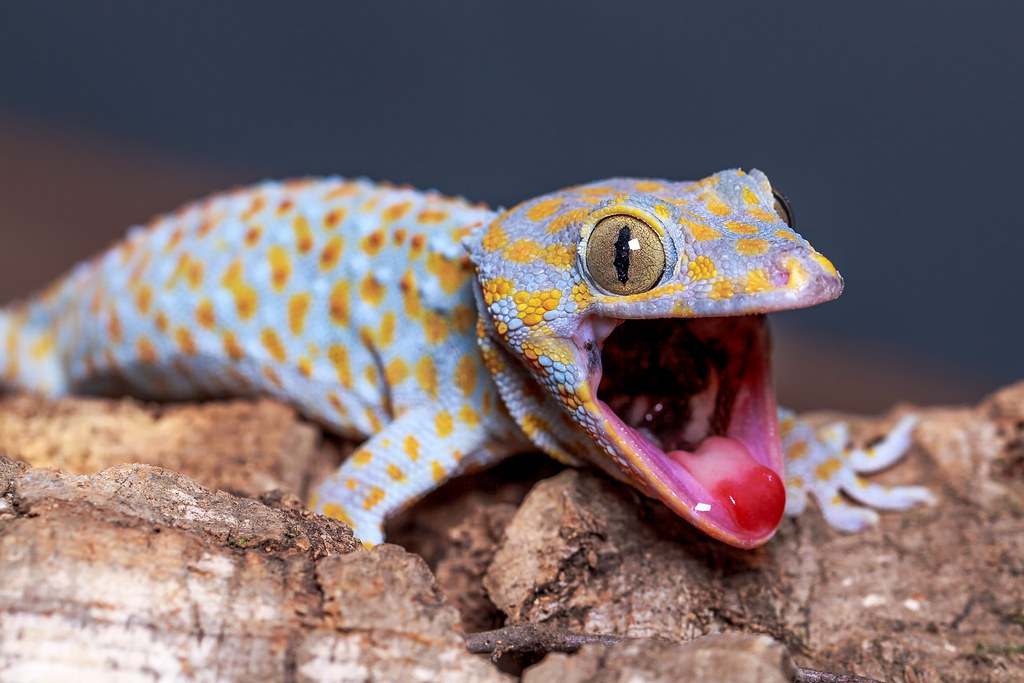
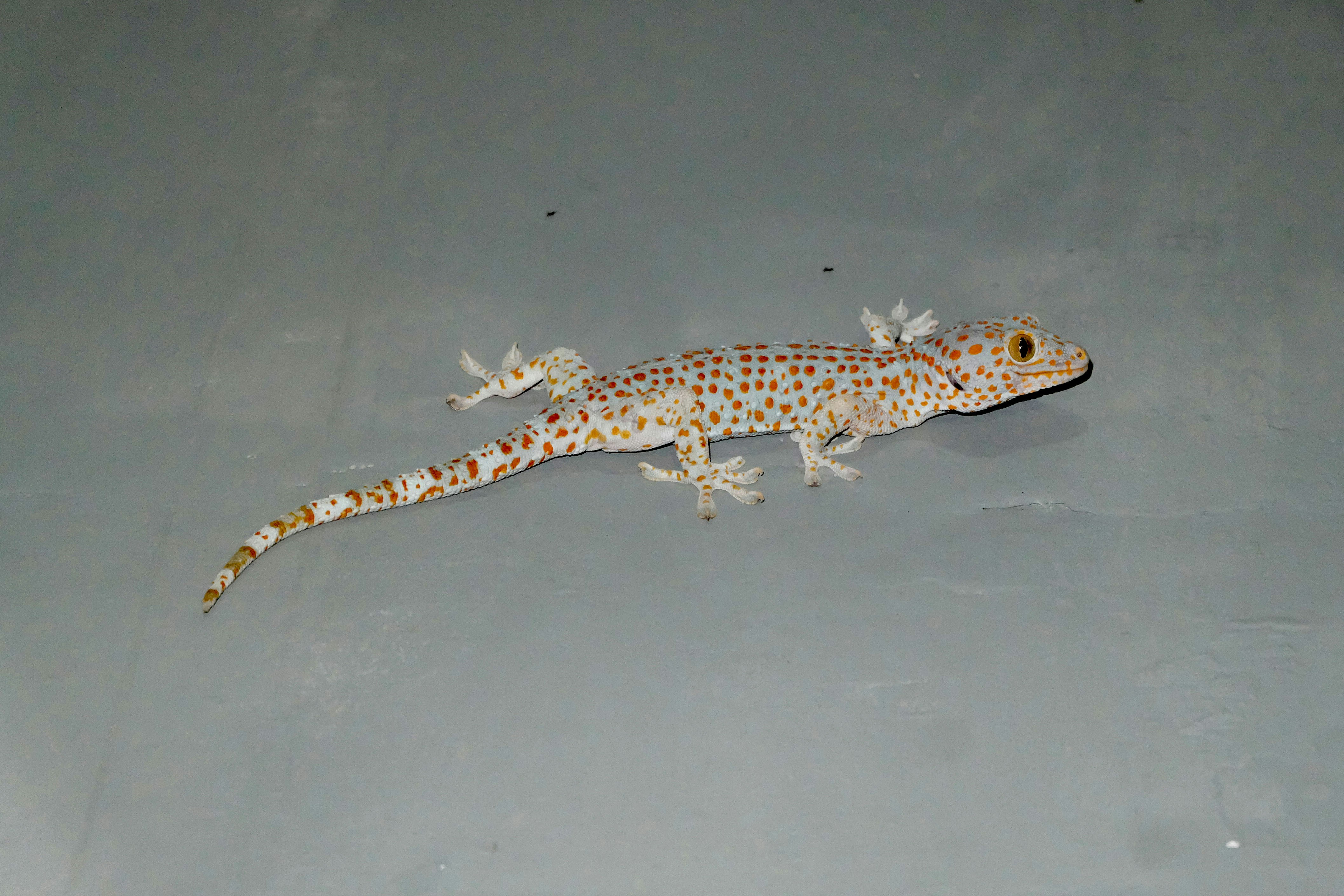
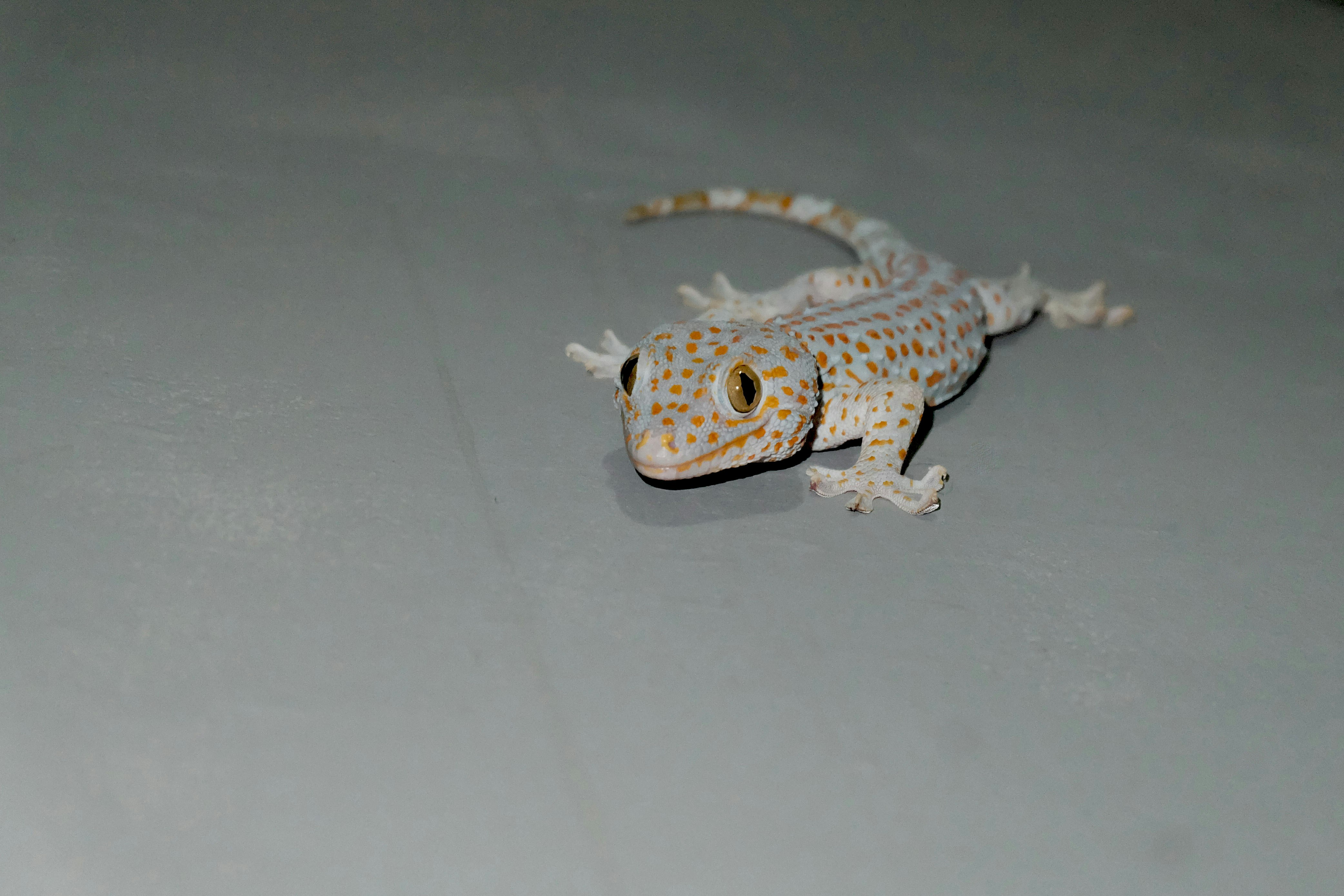
Nocturnal reptile with strong character that inhabits rock crevices, trees and human buildings in tropical zones.

Quick facts

  • Approximate size30–35 cm (including tail)
  • Average weight150–300 g
  • Life expectancy10–15 years (captivity)
  • ActivityNocturnal
Tokay Gecko
Tokay Gecko
Tokay Gecko

Basic information

  • 🏡Habitat: lives in rainforests, cliffs, and buildings in tropical zones, sheltering in crevices and holes during the day.
  • 🍏Diet: feeds on large insects, other invertebrates, and small vertebrates such as lizards and even small rodents.
  • 👫Sexual dimorphism: males usually show marked femoral pores and more robust heads than females.
  • 🐾Predators: snakes, nocturnal birds, and carnivorous mammals; also suffers capture for the pet trade and traditional medicine.

Life in the wild

How this species lives in its natural environment, with the climate, shelters and resources it needs.

Species overview

The tokay gecko is a large nocturnal gecko with a strong character that coexists with both tropical forests and human constructions.

Natural habitat

It shelters in rock crevices, tree trunks, and building walls, emerging at night to hunt insects and other small animals.

Behavior

It is mainly nocturnal and territorial; males vocalize loudly to defend their area or attract a mate.

Special features

Its adhesive pads allow it to move across smooth vertical surfaces and even ceilings. Its powerful bite is an effective defense against predators and disturbances.

Conservation and threats

In many areas, it is still relatively common, but intensive capture and habitat loss can reduce local populations.

Curiosities

Striking details about this species that show its biology and ecology in a different way.

  • 🌍Its common name comes from the loud "to-kay" sound it emits repeatedly.
  • It has adhesive pads on its toes that allow it to climb smooth walls and ceilings.
  • 🔎It can bite hard if it feels threatened, so it is not an easy gecko to handle.
  • 🧠In some areas, it is considered a natural insect controller in homes and temples.

Welfare profile

Aspects to consider if this species is kept in captivity in specialized centers.

Enclosures and spaceMedium

Requires terrariums with good height, multiple shelters, and surfaces where it can climb and hide.

Light, temperature, and environmentHigh

Needs thermal gradients and gentle heat spots, as well as dark areas to rest during the day.

Handling and stressHigh

It is not recommended for frequent handling; direct contact should be minimized to avoid stress and bites.

Tokay Gecko in captivity

General information aimed at professional facilities and authorized centers.

⚠️ The capture and trade of reptiles like this species are regulated in many countries. It is essential to verify the legal origin of animals and prioritize responsible breeding programs and habitat conservation.

Suitable enclosures

In responsible facilities, terrariums with abundant vertical shelters, such as tubes, hollow logs, or artificial rock structures, are used.

Feeding in responsible centers

The captive diet is based on large insects and, occasionally, small vertebrates, always with adequate supplementation.

Handling and welfare

Maintenance tasks are preferably performed when the animal is in its shelter, avoiding forcing it out.

Ethical message

Its maintenance should be undertaken by centers with experience in large geckos and strong temperaments, avoiding impulsive ownership.

Imagen ampliada