⛰️ Biome · Mountain
Mountain
Cold air, slopes and animals adapted to altitude.
⛰️ Biome · Mountain
Cold air, slopes and animals adapted to altitude.
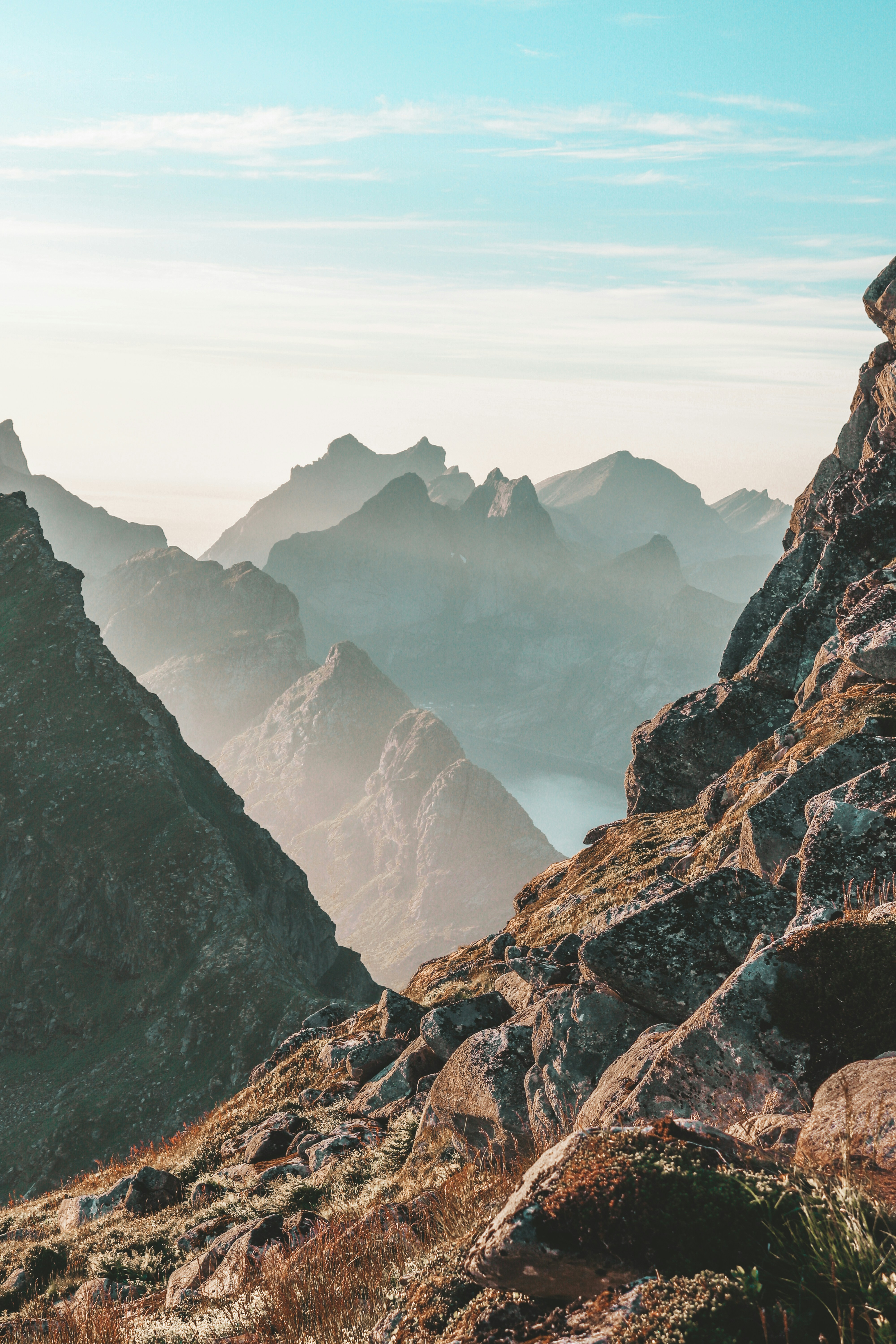
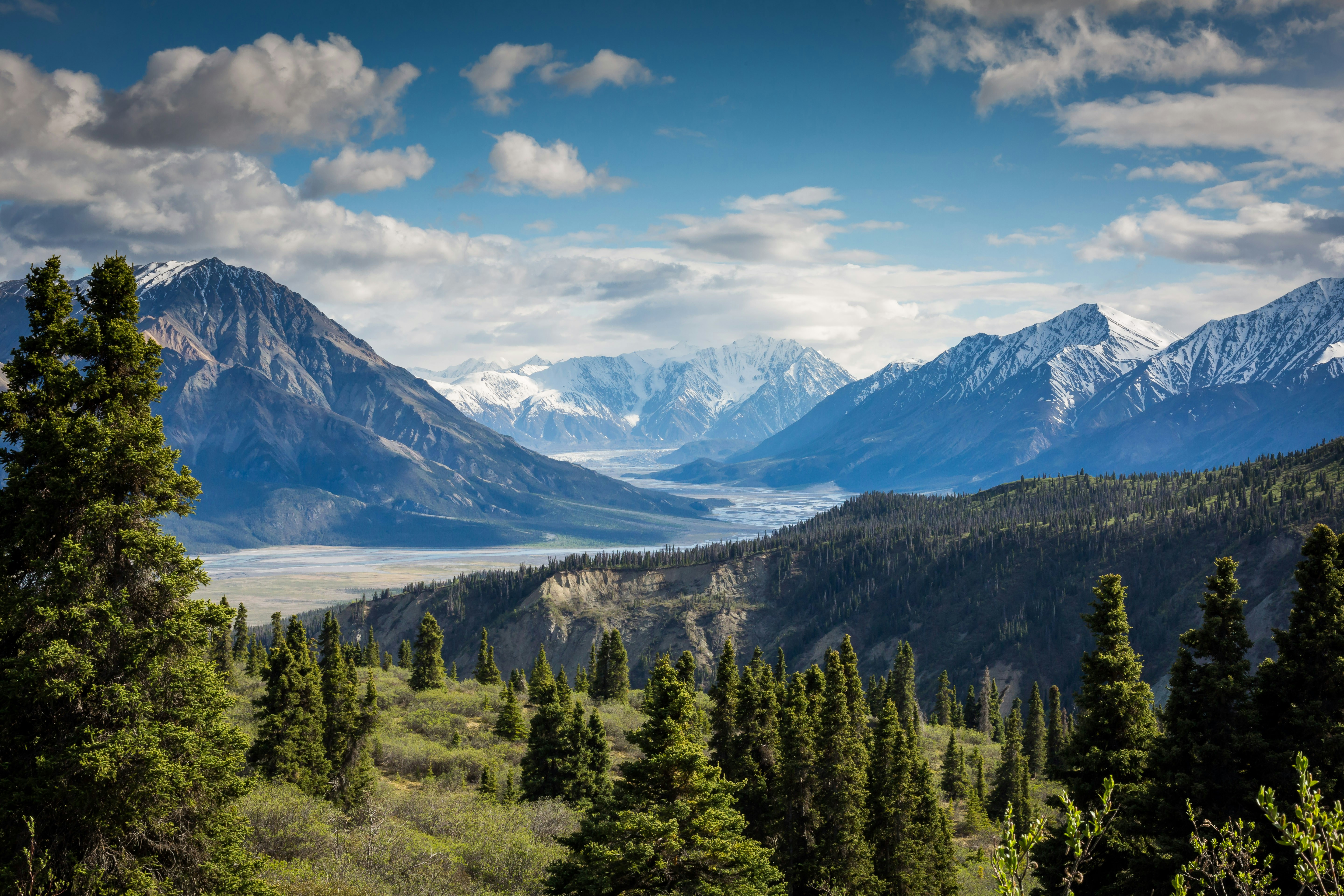
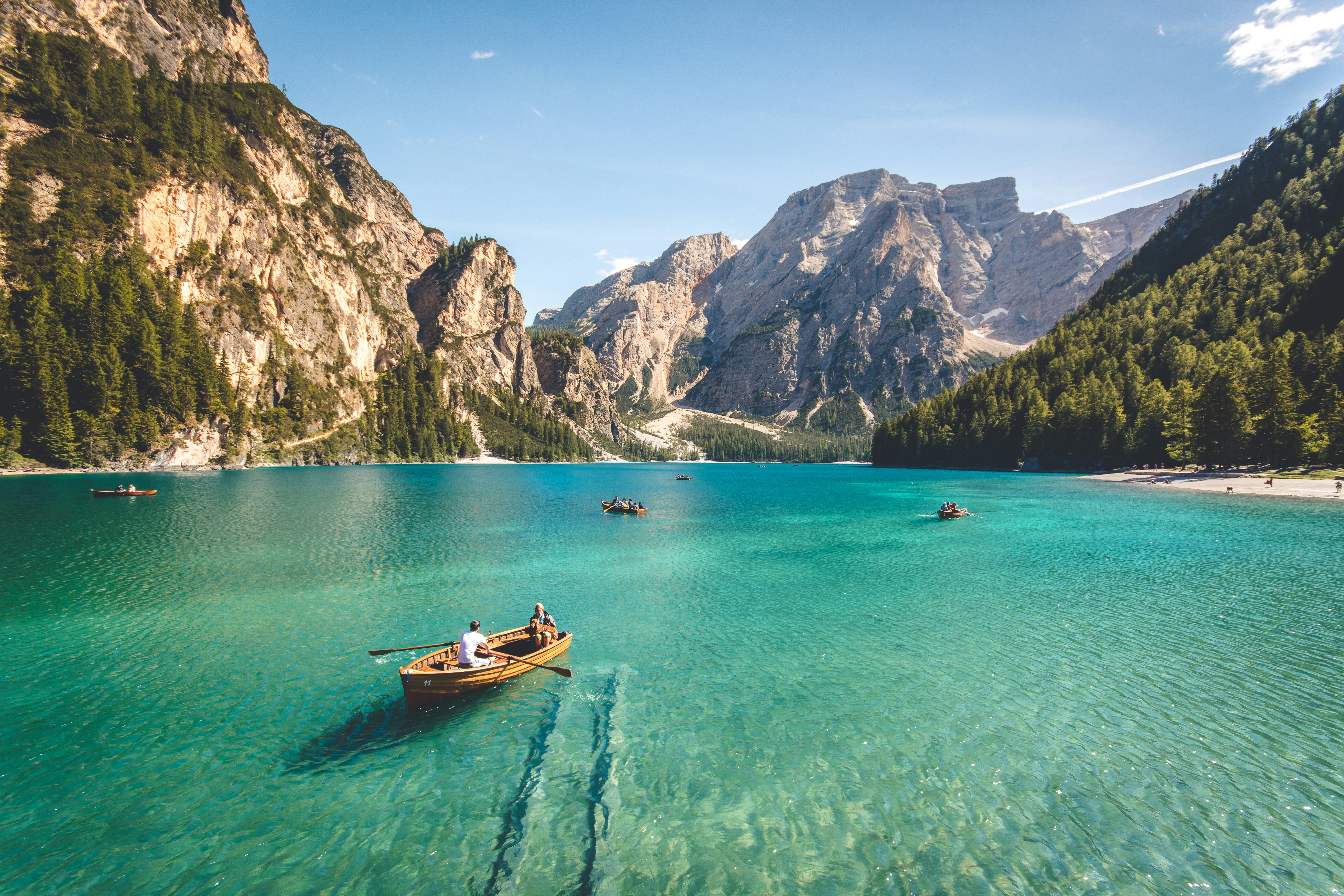
Mountain ecosystems feature steep slopes, cooler temperatures and a thinner atmosphere, with harsh winters and short summers.
Lower presence of some parasites and cool temperatures that favor species that do not tolerate heat well.
Sudden climate changes, intense snowfalls and long periods of food scarcity.
Many mountain animals have dense fur, hooves adapted to rock and great jumping or climbing ability.
General parameters that many species of the Mountain habitat usually share.
Temperature range
5–22 °C
Remember to adapt these values to the specific needs of each species.
Relative humidity
40–70 %
Ventilation and substrate type greatly influence the actual humidity of the microhabitat.
Typical regions
Mountain ranges and mid to high mountain zones of different continents.
General installation guidelines
Facilities with good ventilation and localized heat points, but generally cool environment.
Example of temperature ranges throughout the day for the Mountain biome.
Interesting little facts about how the Mountain biome works.
General guidance for recreating the Mountain biome in terrariums, aquariums or similar facilities.
In captivity, mountain biomes are represented with cool facilities, good ventilation and controlled heat points.
Suitable for species that suffer from heat; easier to maintain moderate temperatures than tropical ones.
If heating is overused, the cool character of the biome is lost and respiratory problems can appear.
Species from our catalog associated with the Mountain biome.
Iconic cloud forest bird with iridescent green feathers and long tail in males.
View profile →Large and striking butterfly with extensions on the hindwings, typical of flowery meadows and sunny slopes.
View profile →