Coral reefs at the limit: a new global conservation strategy is born
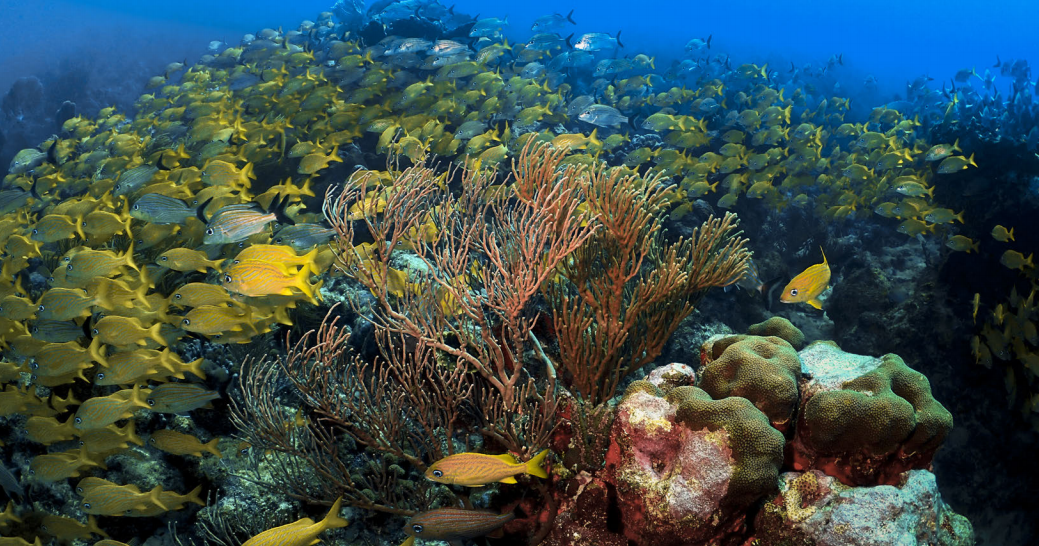
Coral reefs occupy only a small fraction of the ocean surface, but support a huge part of marine biodiversity and millions of human livelihoods. Rising sea temperatures and acidification are leading them to a critical situation in many regions.
Faced with this scenario, several scientific and conservation organizations have launched a new global strategy focused on identifying and protecting the reefs most resilient to climate change. The idea is to prioritize those areas where it is still possible to maintain functional coral ecosystems in the long term.
The strategy combines cutting-edge science, work with local communities and measures for fisheries management, pollution reduction and active habitat restoration. It also seeks to influence national and international policies so that reefs are clearly included in climate and biodiversity plans.
For citizens, coral reefs are often synonymous with spectacular landscapes and diving tourism, but their importance goes much further: they protect coasts from storms, support artisanal fisheries and store enormous genetic wealth yet to be discovered.
At AtlasFauna we will dedicate more content to explaining how reefs work, what species depend on them and what we can do, from anywhere in the world, to reduce our footprint on the oceans.