Wildlife Patrol removes exotic fish from Madrid rivers to protect native species
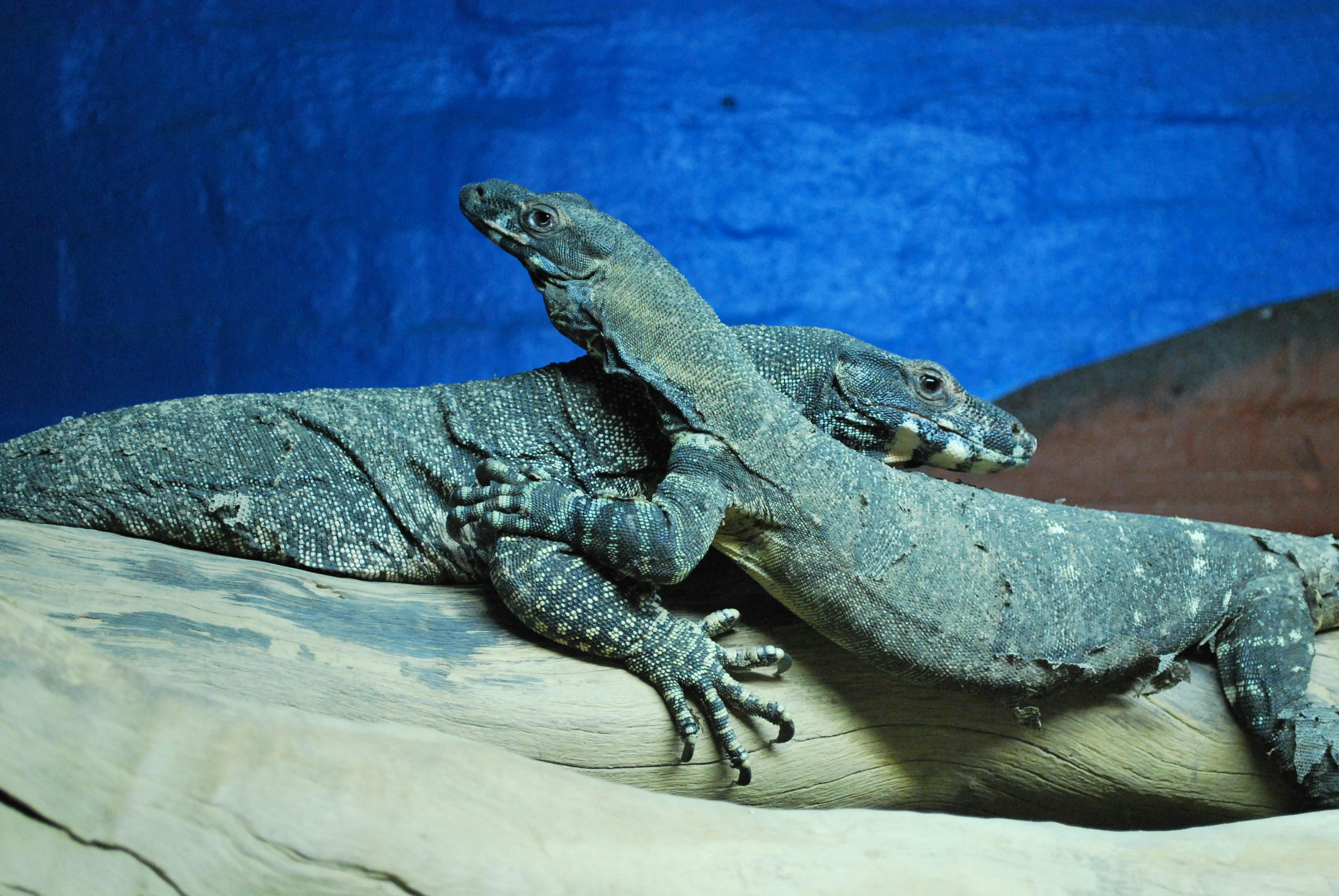
The abandonment of companion animals does not only affect dogs and cats. Every summer, and actually throughout the year, many aquarium fish, turtles and other exotic animals end up in Madrid rivers, lakes and reservoirs. What begins as a "quick solution" to get rid of a pet becomes a serious environmental problem: invasive species that compete with native wildlife, introduce diseases and completely alter freshwater ecosystems.
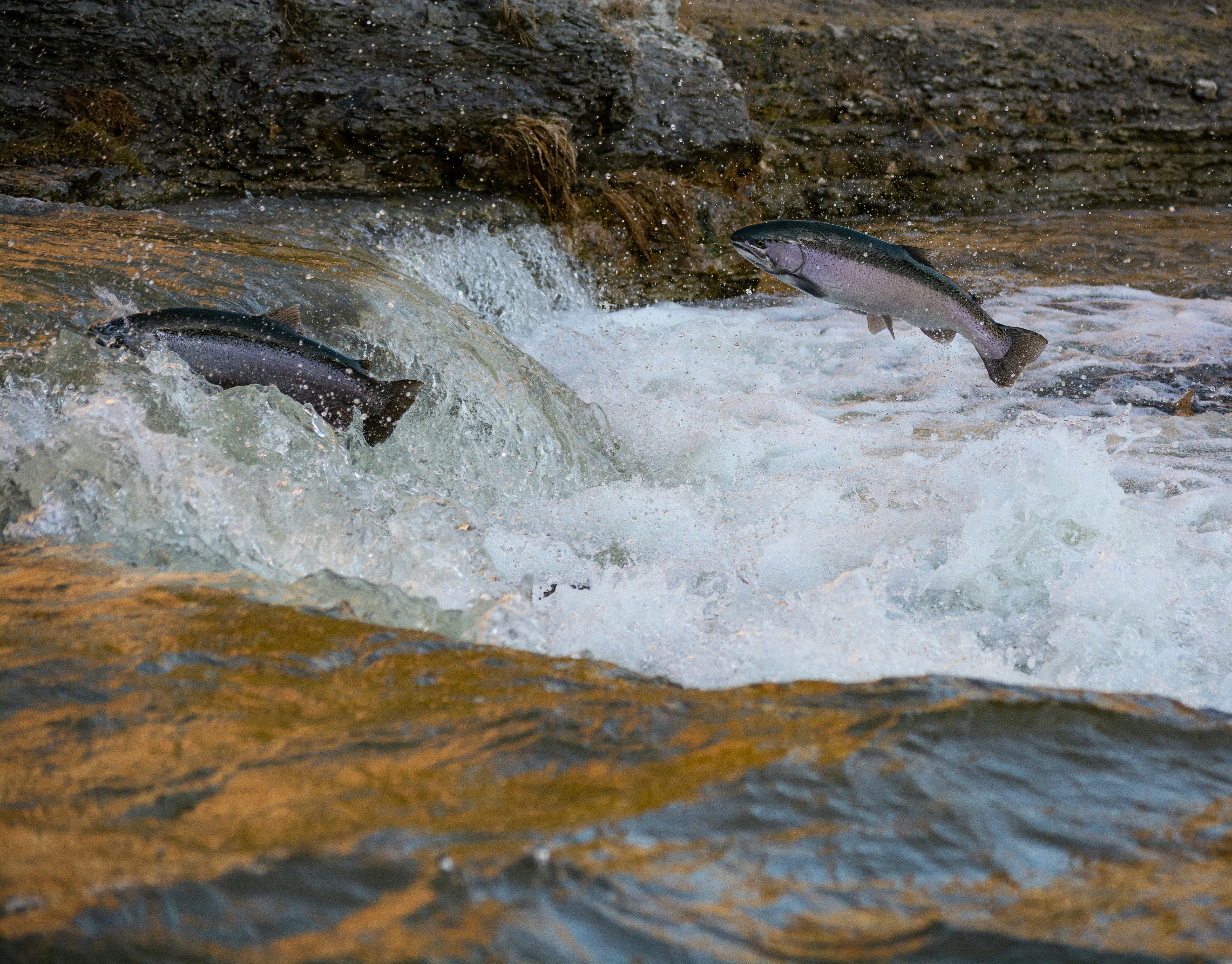
To try to curb this impact, the Wildlife Patrol of the Community of Madrid works in the field on watercourses such as the Guadarrama River. Its members are specialists in selective wildlife capture: they enter the river equipped with waders and a controlled electric fishing system that stuns fish for a few seconds without causing them harm. In this way they can collect practically all specimens from a stretch and analyze what species live there and at what density.
After capture, a complete sampling is carried out: fish are identified, measured and weighed, and then native species are separated from exotic ones. Barbels, chubs and other native species return to the river, while catfish, aquarium carp and other invaders are moved to specialized facilities where they can no longer continue colonizing our waterways. Something similar happens with other introduced animals, such as the American red crayfish or Florida turtles, which are also removed when they appear in traps.
Technicians insist that the presence of exotic wildlife is not a minor detail: it changes the food chain, displaces native species and can cause disease outbreaks for which local wildlife is not prepared. In addition, the Animal Welfare Law reminds that the abandonment of animals, including aquarium fish or exotic reptiles, is a crime that can carry significant penalties.
The Wildlife Patrol maintains this work year-round and acts as an example of how science, management and green employment for young people in rural areas can be combined. From the website we want to emphasize a simple but key message: if you can no longer take care of an exotic pet, never release it into the natural environment. It is better to turn to specialized shelters, authorized centers or your autonomous community services before turning it into another invasive species.