Convicted for keeping dozens of dangerous exotic animals in his home and trafficking them
Criminal Court number 6 of Las Palmas has issued a consent judgment against a resident of Agüimes who kept a real collection of exotic and dangerous wildlife in his home without having permits or adequate facilities. The accused has accepted a total sentence of two years in prison for a crime against wildlife, for having animals of unaccredited origin in his home and, in many cases, potentially dangerous, and for another crime of illegal trafficking of protected species.
The investigation originated in late 2021, when Seprona agents searched the accused's home in Agüimes. There they found 46 specimens among reptiles, amphibians and other exotic animals, as well as numerous breeding cockroaches and around two hundred rodents presumably used as food. The house, a single-family home without special measures, did not have security terrariums or the necessary barriers to prevent escapes or accidents.
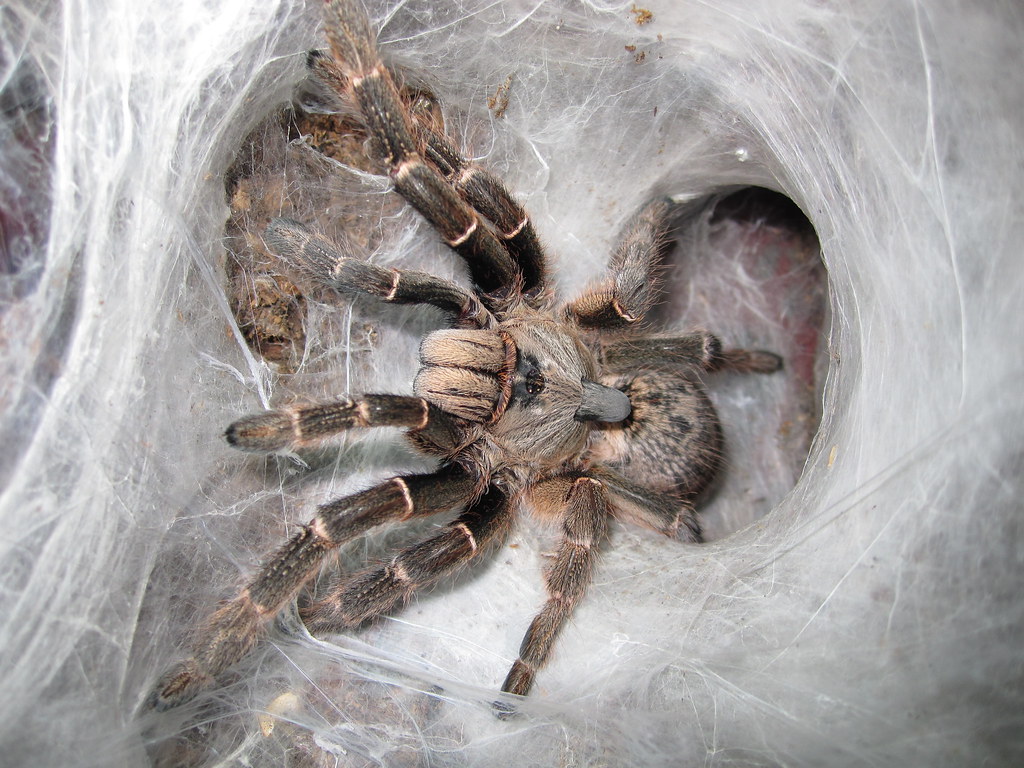
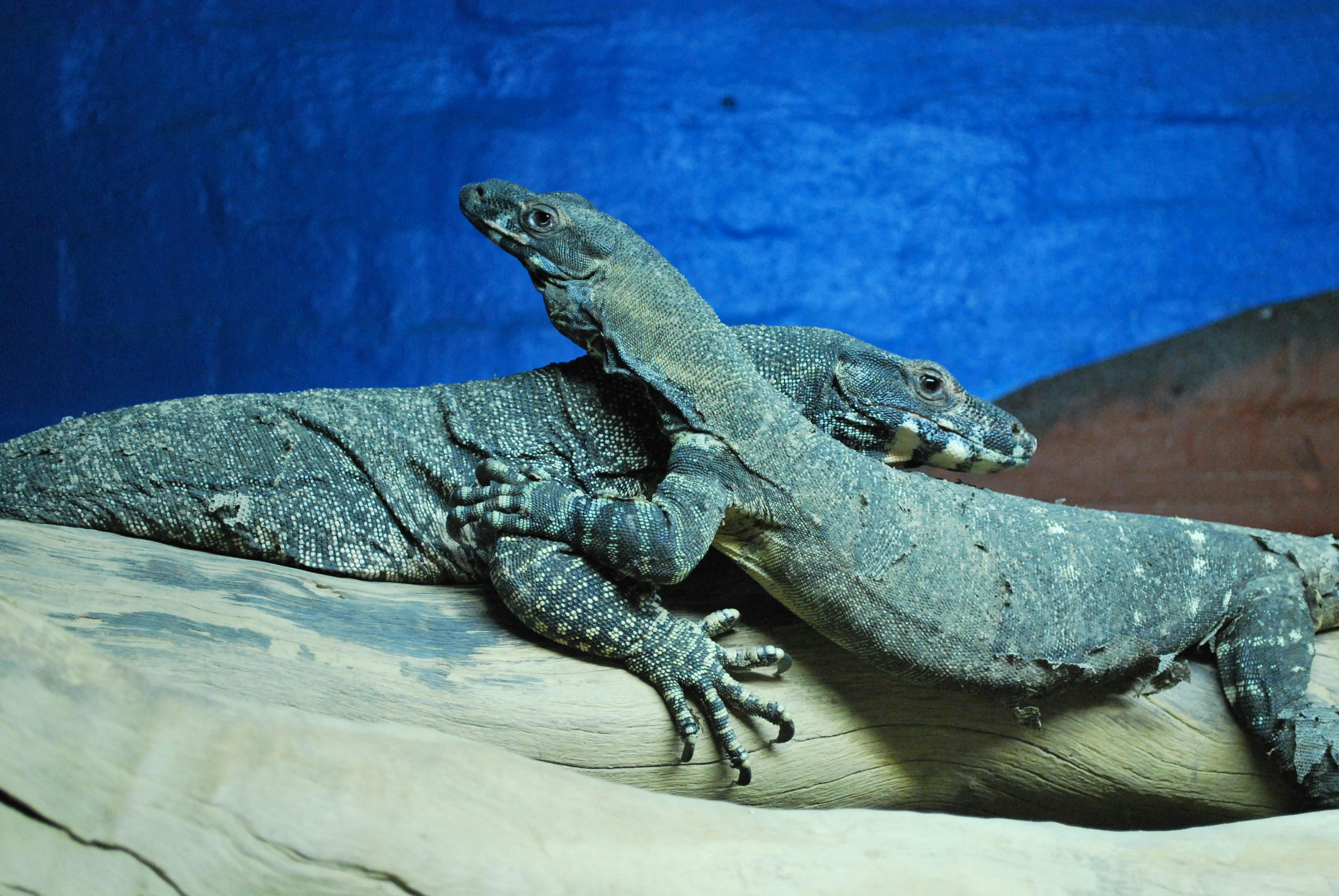
Among the seized animals were such delicate species as an alligator snapping turtle, several types of monitor lizards, a Gila monster, a Chinese crocodile lizard, two Cuvier's caimans, an African dwarf crocodile and different venomous and constrictor snakes. The list included cobras of different species, vipers, rattlesnakes, reticulated pythons and bearded dragons, animals that require high-security facilities and professional handling to guarantee both their welfare and neighborhood safety.
The sentence also reaches a second accused, resident in Güímar (Tenerife), who was fined for selling the first a horned iguana in early 2022. This is a species considered toxic and invasive, whose commercialization is prohibited by biodiversity protection regulations. That exchange was one of the elements that helped prove the illegal wildlife trafficking between the two.
In addition to prison and fines, the ruling disqualifies both convicted persons from practicing professions or trades related to animals for several years. The case highlights the risks of turning a private residence into an uncontrolled "zoo" of exotic species: not only is the regulations on protected wildlife violated, but neighbors are exposed to accidents with venomous or large animals. We insist that the keeping of these types of species should be left to specialized centers and never in improvised private collections.