🌊 Biome · Marine Environment
Marine Environment
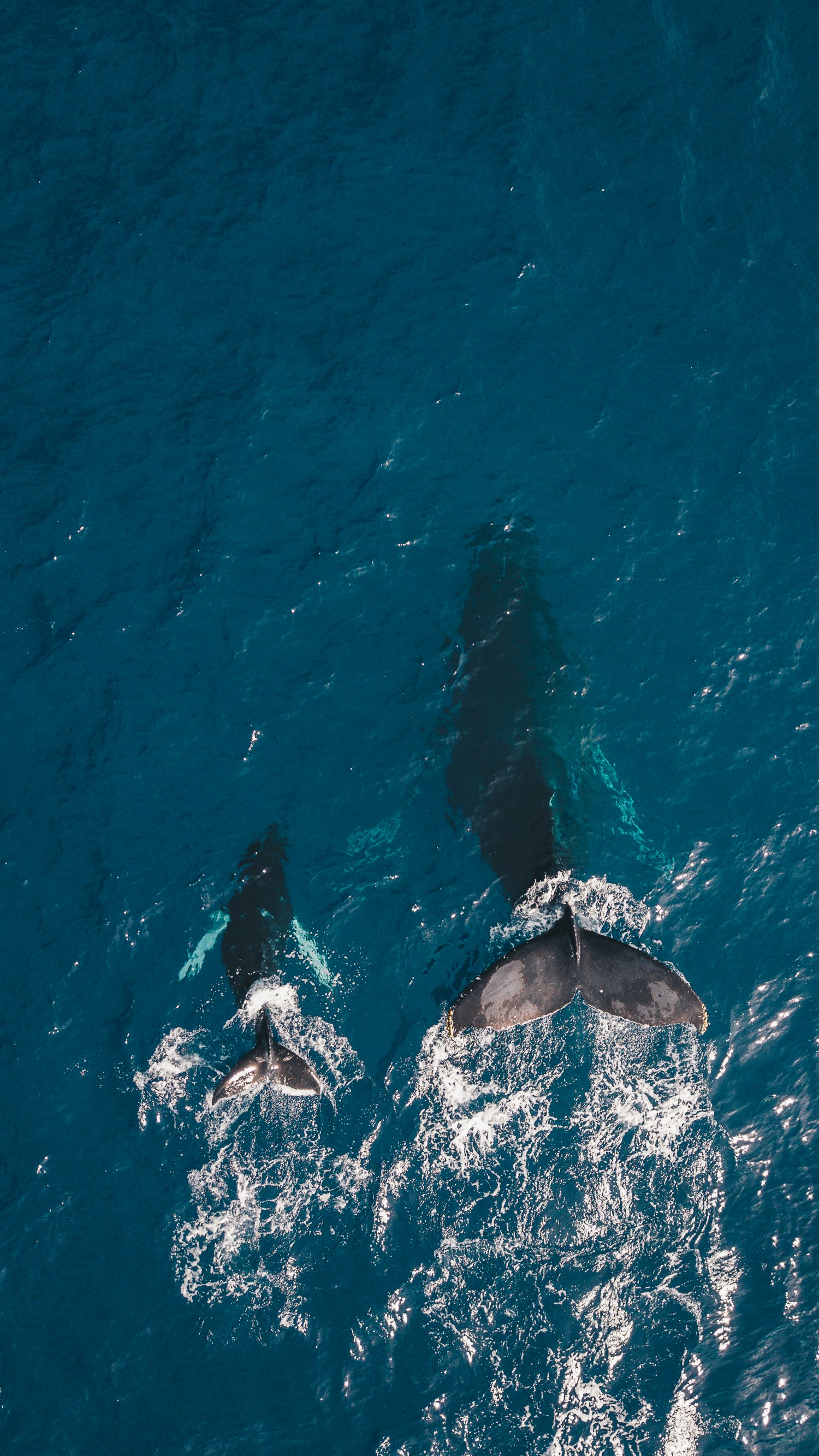
Seas and oceans, the planet's largest ecosystem.

🌊 Biome · Marine Environment
Seas and oceans, the planet's largest ecosystem.
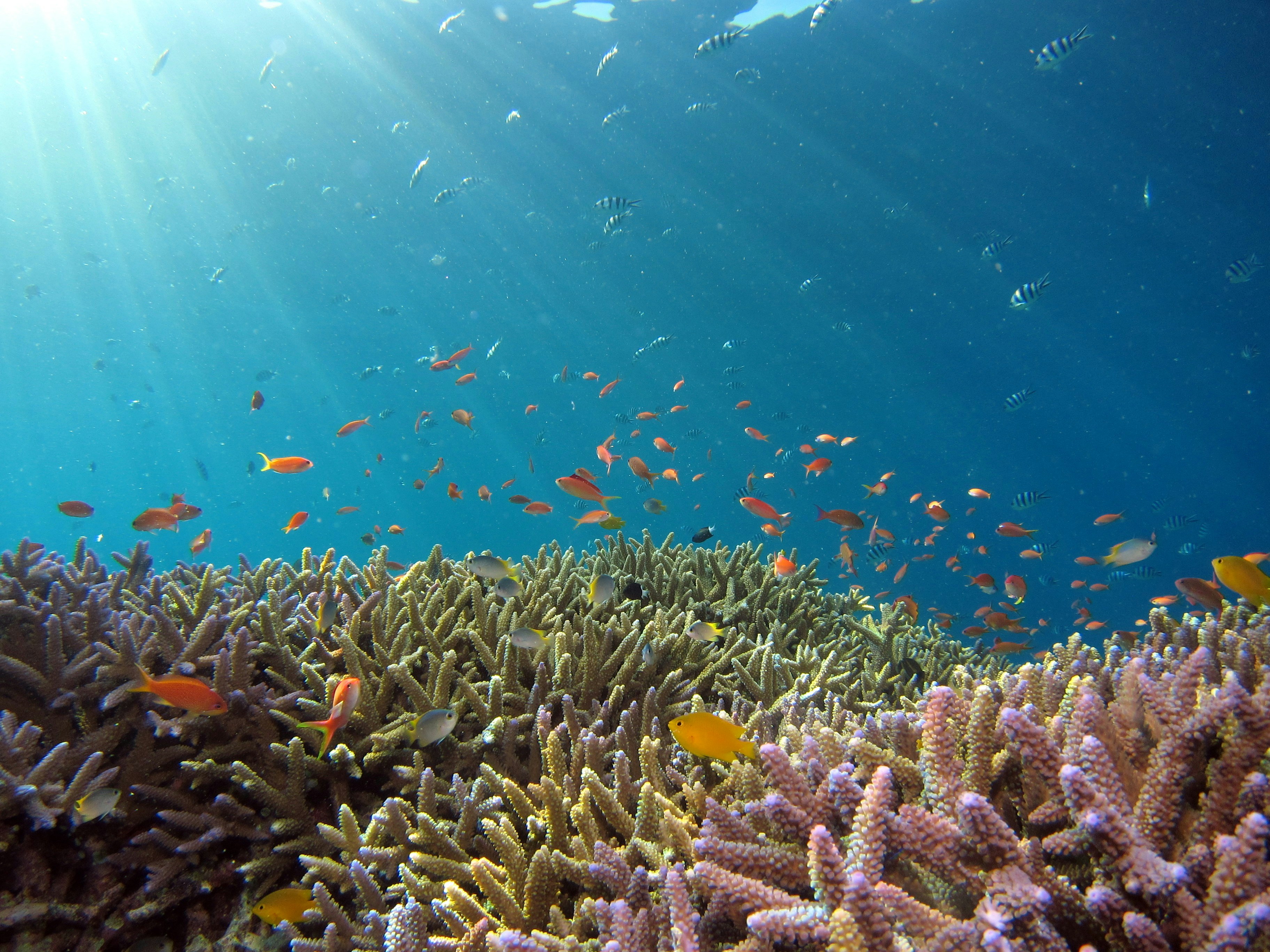
Marine ecosystems range from shallow waters and coral reefs to abyssal depths with extreme conditions.
Great thermal and chemical stability in open sea and an incredible diversity of ecological niches.
Pollution, rising temperatures and water acidification quickly affect many marine species.
Incredible strategies of bioluminescence, mimicry and symbiosis are found (such as that of corals with their algae).
General parameters that many species of the Marine Environment habitat usually share.
Temperature range
24–27 °C
Remember to adapt these values to the specific needs of each species.
Relative humidity
Alta en zonas costeras
Ventilation and substrate type greatly influence the actual humidity of the microhabitat.
Typical regions
Tropical reefs and warm water zones.
General installation guidelines
Marine aquariums with skimmer, live rock and precise control of salinity and parameters.
Example of temperature ranges throughout the day for the Marine Environment biome.
Interesting little facts about how the Marine Environment biome works.
General guidance for recreating the Marine Environment biome in terrariums, aquariums or similar facilities.
Recreating a marine biome at home is one of the most complex projects: it requires specific equipment and great stability.
Well-maintained marine aquariums are spectacular and allow observing very varied behaviors.
High sensitivity to parameter changes, high equipment cost and need for constant maintenance.
Species from our catalog associated with the Marine Environment biome.
Seabird with large wings and forked tail, famous for the red gular sac of males.
View profile →Small orange marine fish with white bands, famous for its relationship with sea anemones.
View profile →Large, very fast pelagic fish, subject to one of the most valuable and regulated fisheries in the world.
View profile →Large predatory shark from temperate and cold waters, one of the most famous fish on the planet.
View profile →