🌾 Biome · Savanna
Savanna
Open grasslands, scattered trees and great migrations.
🌾 Biome · Savanna
Open grasslands, scattered trees and great migrations.
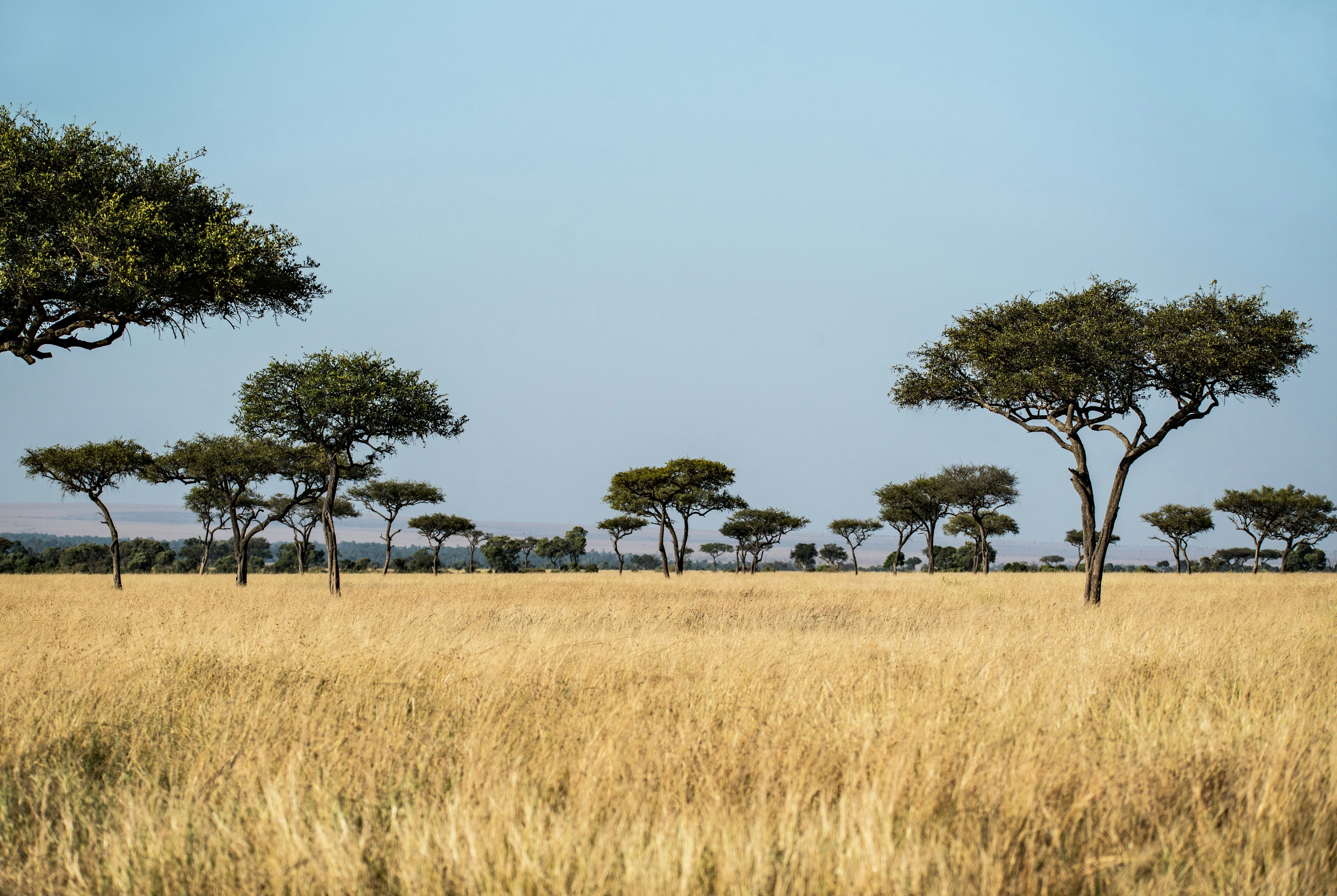
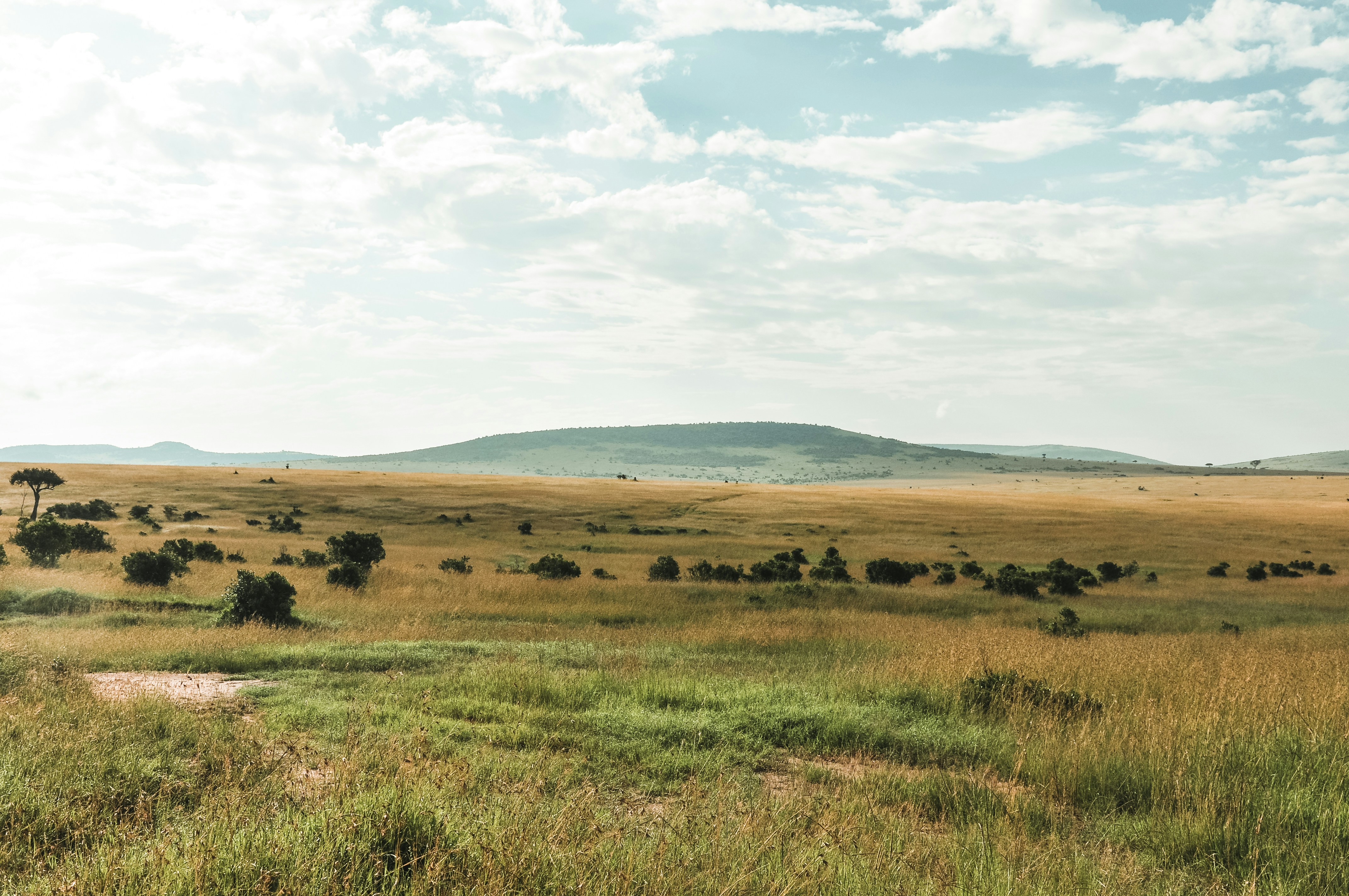
Savannas are characterized by extensive tall grass prairies, scattered trees and shrubs, and a marked alternation between dry and rainy seasons that determines resource availability.
Open spaces that facilitate thermoregulation in the sun, abundance of food during the wet season and natural shelters such as burrows or caves.
During the dry season, water and food are scarce, forcing many species to migrate or develop energy and water conservation strategies.
Many species are gregarious and form large groups. Visual and acoustic communication is important to coordinate movements and alert to predators.
General parameters that many species of the Savanna habitat usually share.
Temperature range
20–30 °C
Remember to adapt these values to the specific needs of each species.
Relative humidity
40–70 % (variable según estación)
Ventilation and substrate type greatly influence the actual humidity of the microhabitat.
Typical regions
African savannas, South American plains, areas of Australia and the Indian subcontinent.
General installation guidelines
Large terrariums with open areas, cave or burrow-type shelters and substrates that allow digging.
Example of temperature ranges throughout the day for the Savanna biome.
Interesting little facts about how the Savanna biome works.
General guidance for recreating the Savanna biome in terrariums, aquariums or similar facilities.
In captivity, savanna biomes are recreated with large horizontal terrariums, substrates that allow digging and shelter areas that simulate burrows or caves.
Allows observing grazing, digging and thermoregulation behaviors. Ideal for species that need space to move.
Requires humidity control according to the simulated season. During the "dry season" it may be necessary to reduce humidity, which can affect some species.
Species from our catalog associated with the Savanna biome.
Large, very robust frog with voracious appetite, native to savannas and semi-arid zones.
View profile →Small antelope with large eyes and elongated snout inhabiting savannas and dry scrubland.
View profile →