🌲 Biome · Temperate Forest
Temperate Forest
Leaves, shadows and an enormous diversity of life.
🌲 Biome · Temperate Forest
Leaves, shadows and an enormous diversity of life.
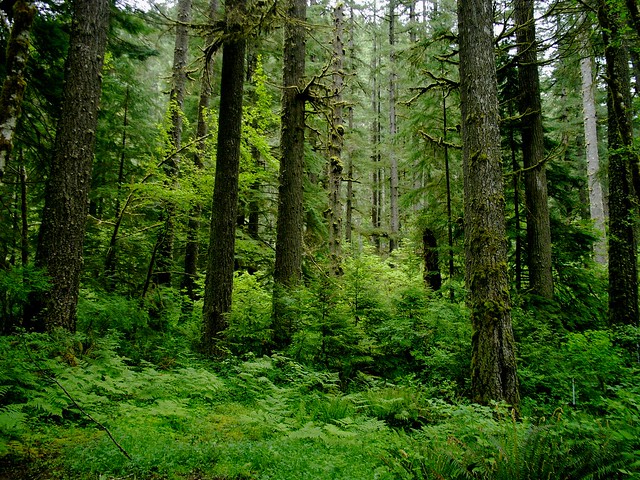
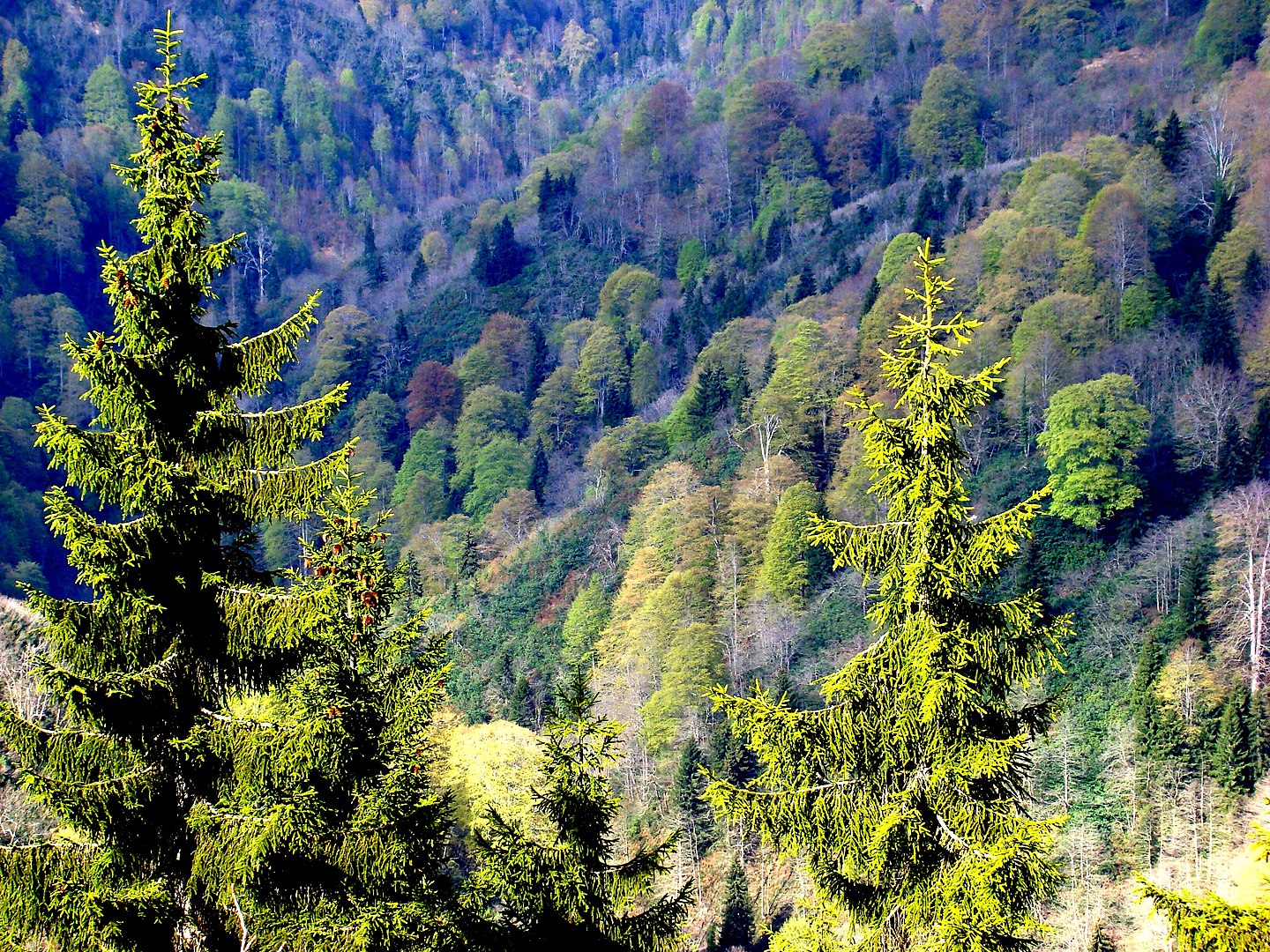
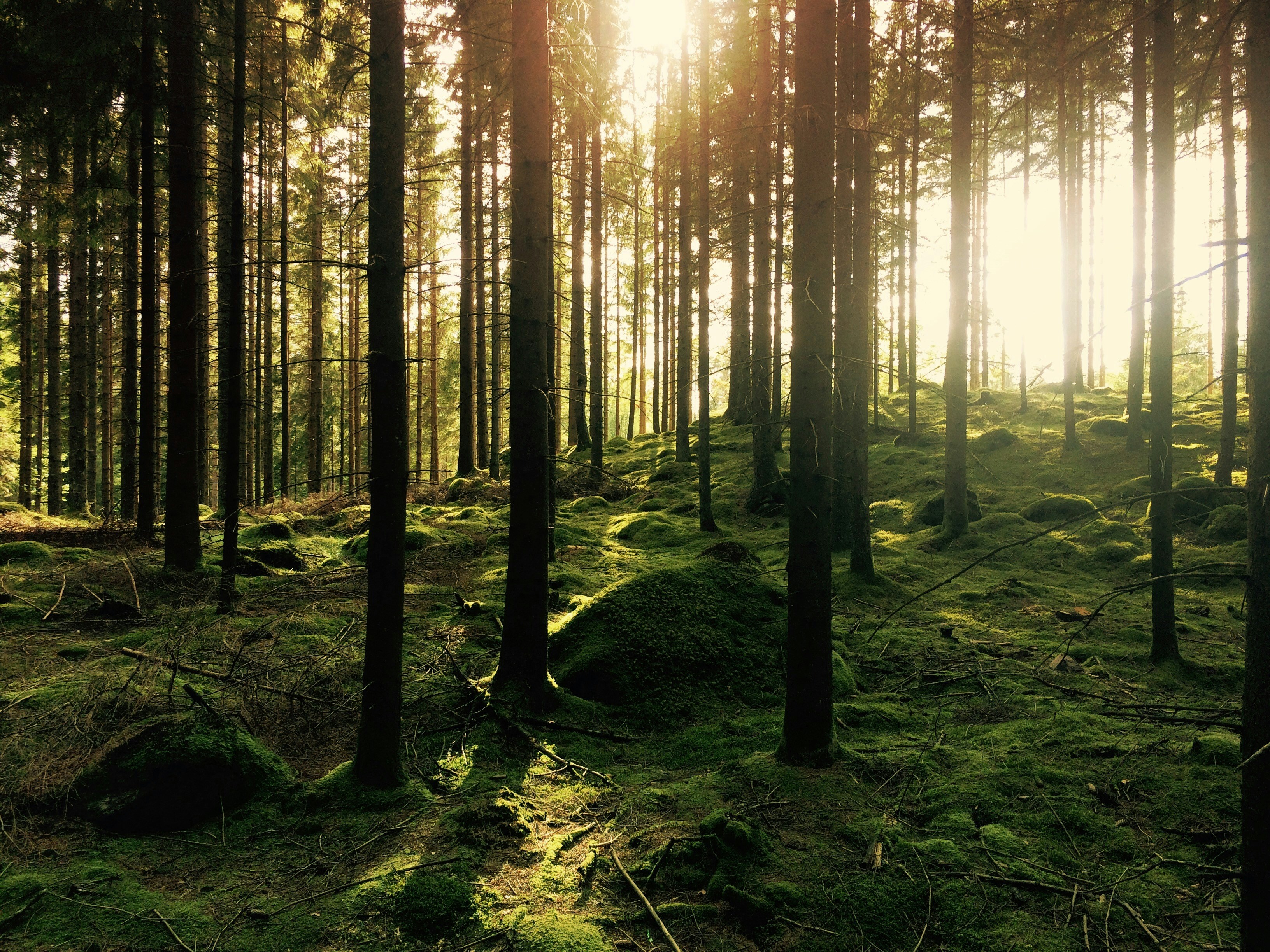
Temperate forests combine marked seasons, soils rich in organic matter and a layered structure (ground, understory and tree canopy) that allows for a huge variety of ecological niches.
Relatively mild climates for much of the year, abundance of natural shelters (logs, roots, rocks) and good food availability for herbivores and omnivores.
Notable seasonal changes, cold periods with less food availability and risk of fires or intense storms that alter the habitat.
Many forest animals are crepuscular or nocturnal, and camouflage and mimicry behaviors with leaf litter and tree bark stand out.
General parameters that many species of the Temperate Forest habitat usually share.
Temperature range
10–24 °C (según especie)
Remember to adapt these values to the specific needs of each species.
Relative humidity
50–80 %
Ventilation and substrate type greatly influence the actual humidity of the microhabitat.
Typical regions
Forests of Europe, North America and temperate zones of Asia.
General installation guidelines
Large terrariums with shaded areas, log-type shelters and plants resistant to moderate cold.
Example of temperature ranges throughout the day for the Temperate Forest biome.
Interesting little facts about how the Temperate Forest biome works.
General guidance for recreating the Temperate Forest biome in terrariums, aquariums or similar facilities.
In captivity, forest biomes are ideal for terrestrial or semi-terrestrial terrariums with lots of natural decoration: bark, branches, mosses and shelters.
It is relatively easy to create hiding places and wet or dry areas. Temperature parameters are not extreme and there are many plants suitable for this type of setup.
If there is not enough ventilation, excess humidity can accumulate and mold or mites can appear. It is also easy for the terrarium to become "poor" in stimuli if environmental enrichment is not renewed.
Species from our catalog associated with the Temperate Forest biome.
Small arboreal lizard capable of changing from green to brown, common in the southeastern United States.
View profile →Invasive wasp that preys on bees and other insects, causing concern in beekeeping and local ecosystems.
View profile →Insect known for its intense summer song, produced by males to attract females.
View profile →Social primate from Madagascar with long black and white ringed tail.
View profile →