CITES bans international trade in manta rays and large filter-feeding sharks
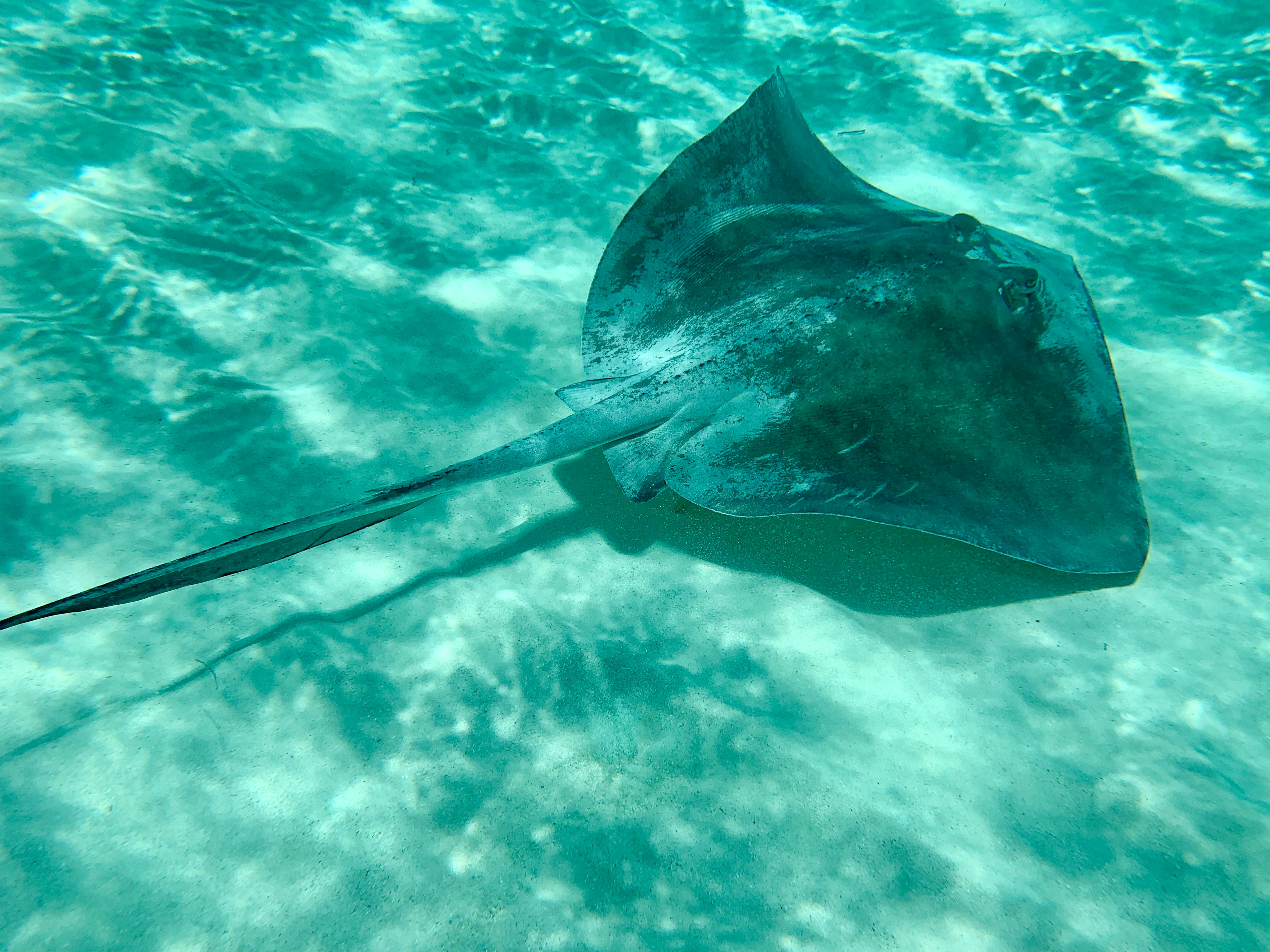
The twentieth Conference of the Parties to CITES, held in Samarkand (Uzbekistan), has marked a before and after for the conservation of some of the planet's most emblematic marine species. The countries gathered have agreed to elevate the manta ray, whale shark and oceanic whitetip shark to Appendix I, the highest protection category within the convention.
Appendix I implies, in practice, the prohibition of international trade for commercial purposes of these species, except for very limited scientific exceptions. The decision comes after years of scientific evidence warning of drastic declines in their populations due to overfishing, bycatch, demand for meat and fins, and pressure from poorly managed tourism.
In addition to these three species, the meeting has strengthened protection for other groups of sharks and rays through zero export quotas and their inclusion or maintenance in Appendix II, which requires strict controls on any trade authorized. Together, this is a package of measures aimed at halting the decline of key predators for the health of marine ecosystems.
For coastal countries and tourist destinations, these decisions represent the challenge of adapting their regulations and fishing practices, but also an opportunity. Large filter-feeding sharks and manta rays are species with enormous potential for responsible ecotourism, as long as distances, observation times and load limits are respected in the areas where they congregate.
In AtlasFauna we will explain in upcoming reports what the different CITES appendices mean in practice, how trade in marine species is controlled and what each person can do to avoid inadvertently feeding the market for products derived from sharks and rays.