🌴 Biome · Tropical Jungle
Tropical Jungle
Heat, humidity and an explosion of colors and sounds.
🌴 Biome · Tropical Jungle
Heat, humidity and an explosion of colors and sounds.
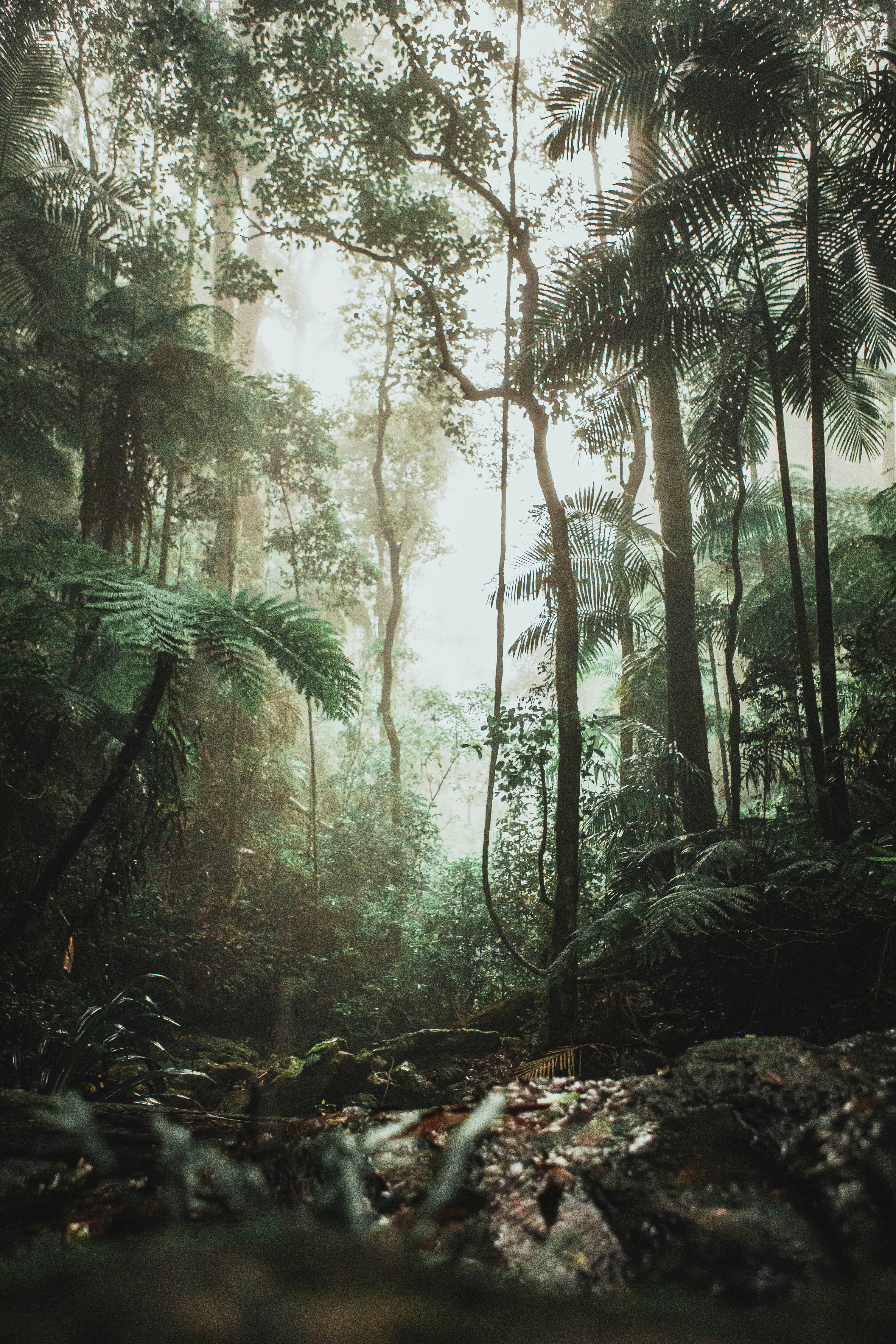
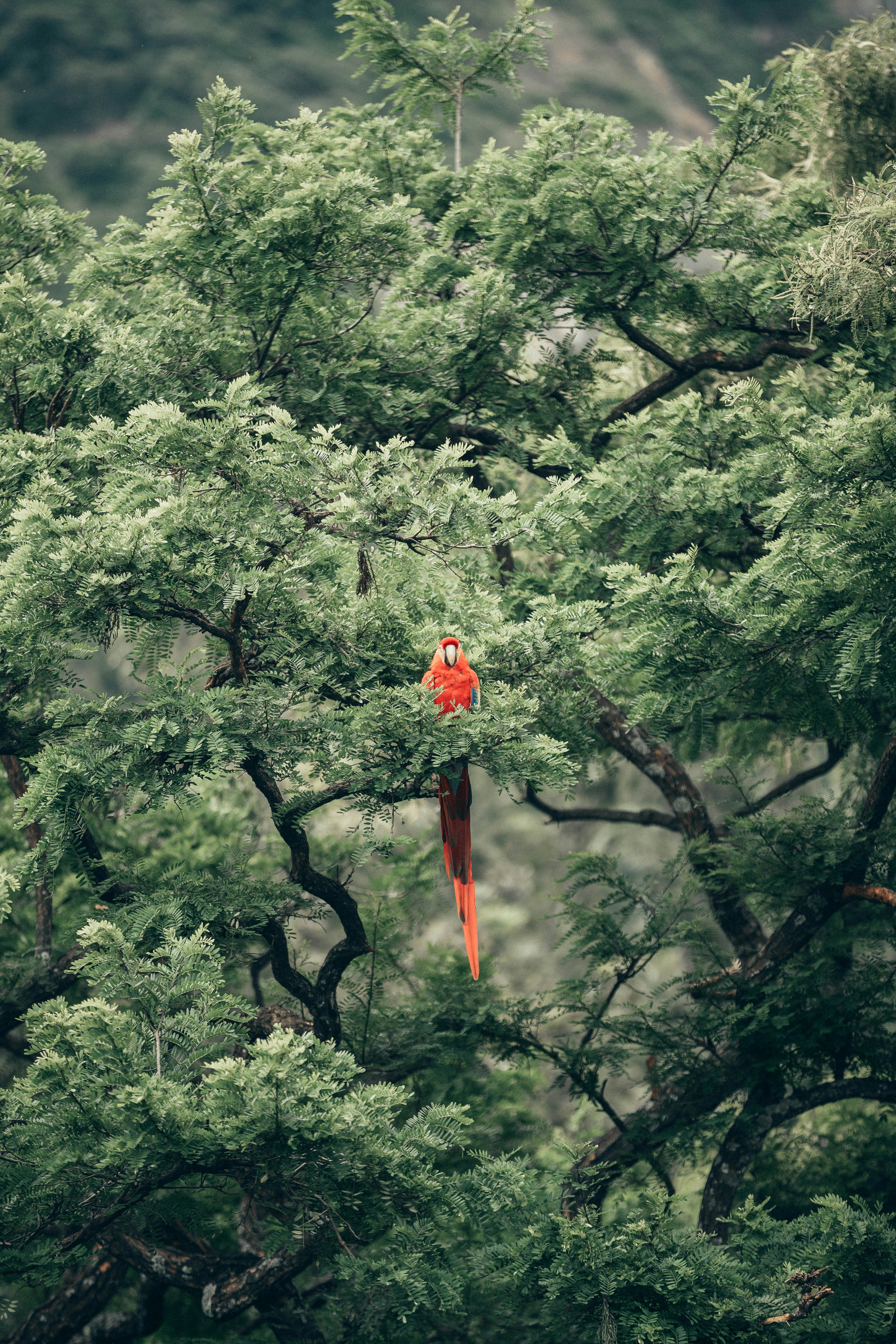
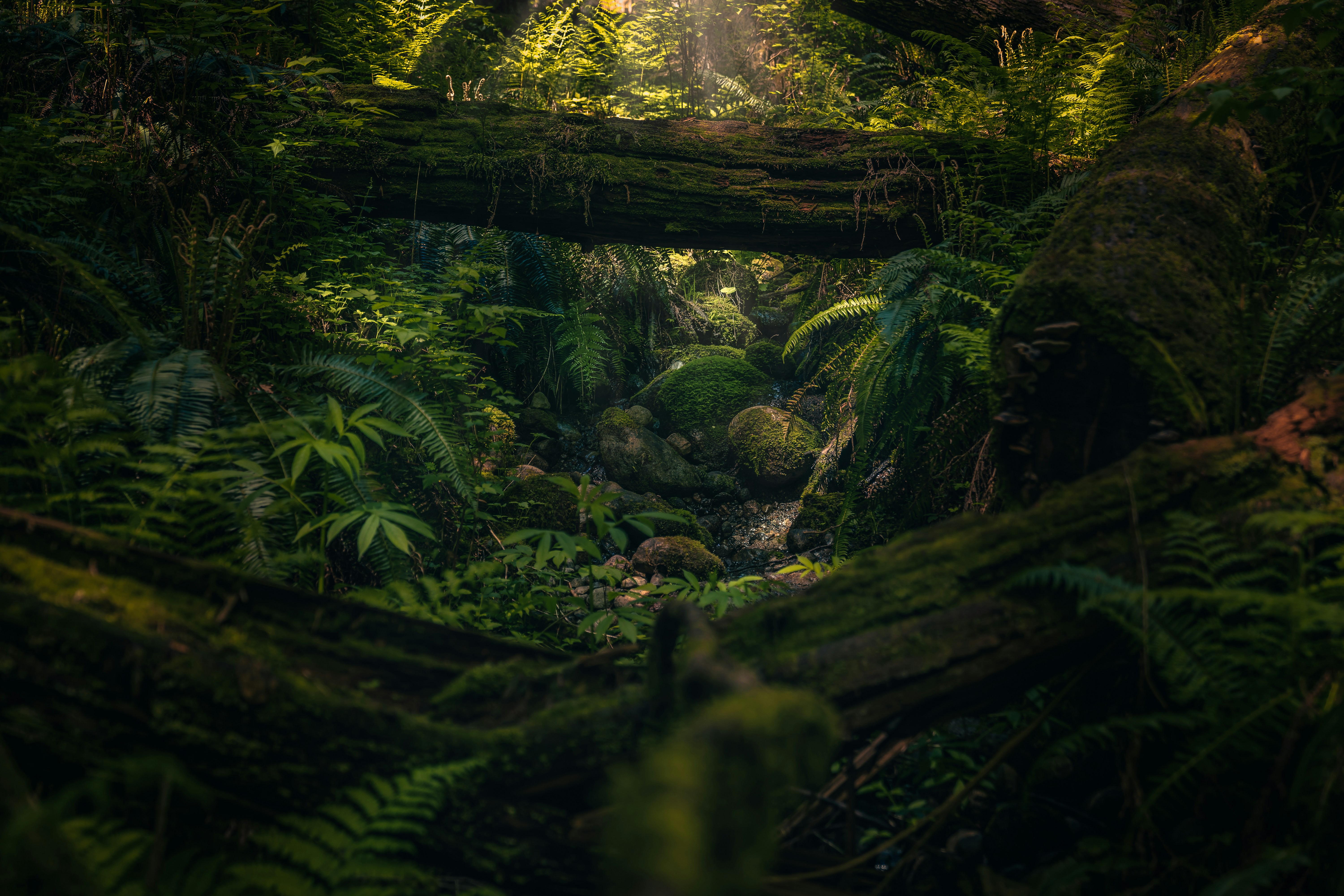
The tropical jungle is one of the most complex environments on the planet: high humidity, stable temperature and several levels of vegetation that create a three-dimensional mosaic of life.
Very stable climate, abundant water and shelters. The dense vegetation offers countless places to feed, hide and reproduce.
Intense rains, competition for resources and the large number of parasites and pathogens make survival here require very specific adaptations.
Most species are arboreal or semi-arboreal: they climb, jump or glide among the treetops. Visual and sound communication is very important (intense colors, songs, calls).
General parameters that many species of the Tropical Jungle habitat usually share.
Temperature range
22–28 °C
Remember to adapt these values to the specific needs of each species.
Relative humidity
70–95 %
Ventilation and substrate type greatly influence the actual humidity of the microhabitat.
Typical regions
Amazonia, jungles of Southeast Asia and African tropical basins.
General installation guidelines
Vertical terrariums with many branches, large-leaved plants and rain or misting systems.
Example of temperature ranges throughout the day for the Tropical Jungle biome.
Interesting little facts about how the Tropical Jungle biome works.
General guidance for recreating the Tropical Jungle biome in terrariums, aquariums or similar facilities.
Recreating a tropical jungle at home requires tall terrariums, lots of vegetation and automated humidity systems.
It allows observing spectacular climbing, high-altitude hunting and vertical space use behaviors. It is very visually striking.
A failure in humidity or ventilation can cause respiratory problems, fungi or thermal stress. Maintenance is demanding.
Species from our catalog associated with the Tropical Jungle biome.
Very colorful arboreal chameleon, endemic to Madagascar, with marked color changes.
View profile →Tropical ant famous for carrying leaf fragments to cultivate fungi in their underground nests.
View profile →Nocturnal lemur with large ears and an extremely elongated finger to extract larvae.
View profile →Arboreal monitor lizard with intense green color, agile and shy, native to humid rainforests.
View profile →